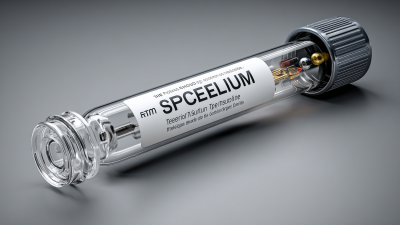
2025 Top Vacuum Blood Collection Tubes: A Comprehensive Guide to the Best Options
In the world of healthcare, precision and quality are paramount, especially when it comes to laboratory diagnostics. Vacuum blood collection tubes play a crucial role in ensuring that samples are collected efficiently and without contamination. As Dr. Emily Hartwell, a leading expert in phlebotomy and laboratory practices, once stated,
"The success of any diagnostic procedure begins with the right choice of equipment, and vacuum blood collection tubes are essential for optimal sample integrity."
With the dawn of 2025 approaching, it’s essential for healthcare professionals and laboratory technicians to stay updated on the latest advancements in vacuum blood collection tubes. This comprehensive guide not only highlights the best options available on the market but also provides insights into the technology and materials that enhance their efficacy. From safety features to usability, understanding the variations in these tubes can significantly impact diagnostic outcomes and patient care.
In this guide, we will explore the top vacuum blood collection tubes as we delve into their specific applications, benefits, and the innovative designs that are shaping the future of blood sampling. By equipping yourself with this knowledge, you will be better prepared to make informed decisions that contribute to improved health services and enhanced laboratory efficiency.

Innovations in Vacuum Blood Collection Tube Technology for 2025
The advancements in vacuum blood collection tube technology for 2025 are transforming the landscape of medical diagnostics. One notable innovation is the introduction of advanced materials that enhance the integrity and stability of blood samples. These new tubes not only maintain optimal conditions for longer periods but also minimize the risk of contamination. Consequently, laboratories can achieve more accurate and reliable test results, which are crucial for effective patient care.
When selecting vacuum blood collection tubes, consider the specific requirements of your lab's testing protocols. Look for tubes with color-coded caps, which indicate the type of additives used—this can save time and ensure proper sample preparation. Additionally, choose tubes with a clear labeling system to reduce errors during sample handling. Another useful tip is to keep an eye on the expiration dates of the tubes; using them beyond their recommended time frame can compromise test results.
Moreover, the 2025 models often feature ergonomic designs that improve the user experience for healthcare professionals. These innovations include clear visual indicators for fill lines and pressure release mechanisms, making the process more efficient. Embracing these advancements can enhance both the speed and accuracy of blood collection procedures in various medical settings.
2025 Top Vacuum Blood Collection Tubes: Performance Comparison
Key Features and Benefits of Different Types of Vacuum Blood Collection Tubes
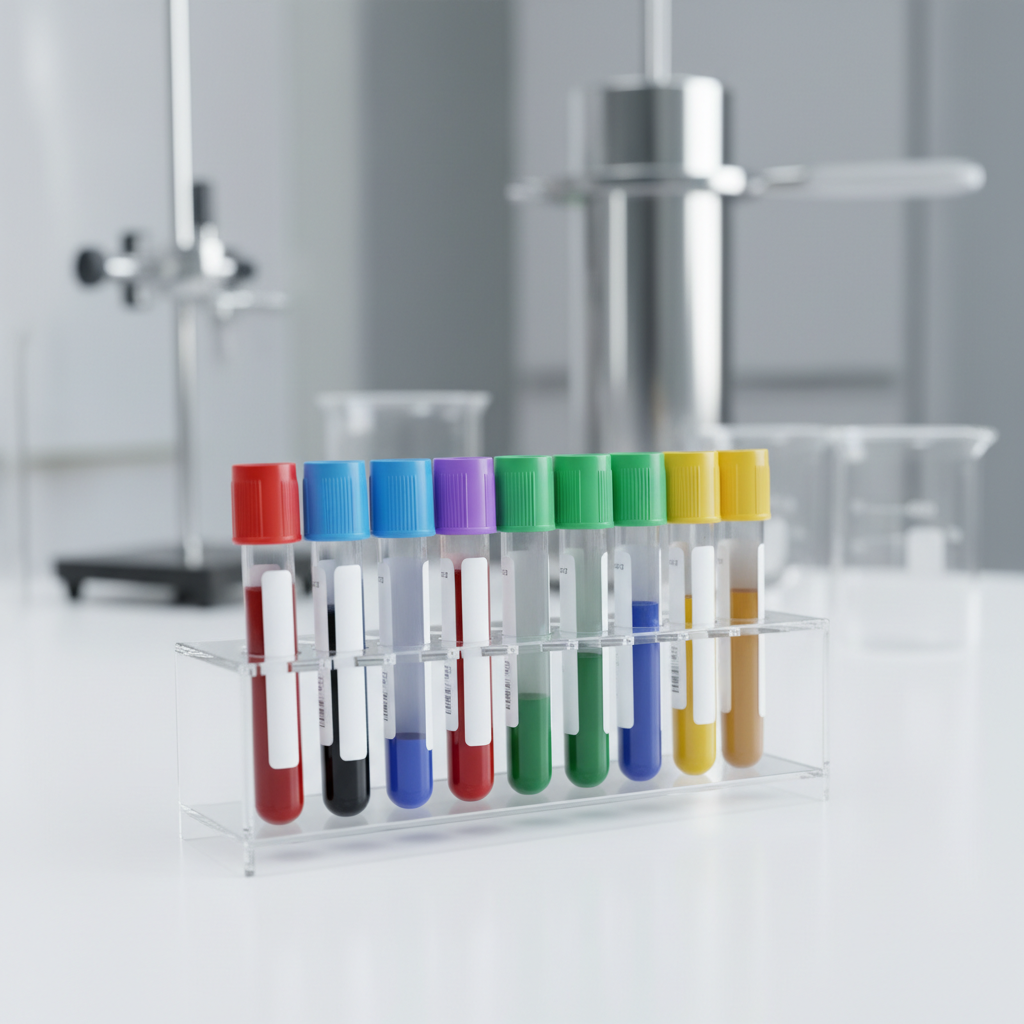
Vacuum blood collection tubes are essential tools in modern medical practice, providing a safe and efficient method for collecting blood samples. These tubes come in various colors, each indicating different additives that can affect the properties of the blood once collected. For instance, purple tubes typically contain EDTA, which is used for hematology studies, while red tubes often lack any additives, making them suitable for serum tests. Understanding the key features and intended uses of these tubes is crucial for healthcare professionals to ensure accurate diagnostic results.
Another significant aspect of vacuum blood collection tubes is their sterilization and safety features. Many tubes are designed with a break-resistant construction to prevent accidents during handling and transportation. Additionally, the vacuum seal helps maintain the integrity of the sample, minimizing the risk of contamination. Some advanced tubes even include features such as integrated safety lids or labels for improved tracking and identification. Choosing the right type based on specific testing needs and safety considerations is vital for effective patient care.
Industry Standards and Regulatory Compliance for Blood Collection Tubes in 2025
In 2025, the landscape for vacuum blood collection tubes is increasingly defined by stringent industry standards and regulatory compliance to ensure patient safety and the integrity of laboratory results. Regulatory bodies such as the FDA and ISO have implemented comprehensive guidelines that dictate materials, manufacturing processes, and labeling requirements for blood collection tubes. These regulations are essential to minimize contamination risks and ensure that tubes perform efficiently in various diagnostic applications.
Moreover, manufacturers are adopting advanced technologies to meet these compliance standards, focusing on aspects such as bio-compatibility and durability. This includes the use of high-quality materials that prevent hemolysis and ensure the stability of blood samples during transport and storage. In addition, innovations like color-coded tube systems for easy identification of additives play a crucial role in standardizing practices across laboratories. As healthcare providers increasingly emphasize accurate and reliable testing results, staying informed about these industry standards has become vital for selecting the best vacuum blood collection tubes.
Comparative Analysis of Vacuum Blood Collection Tube Providers and Market Trends
In the rapidly evolving market of vacuum blood collection tubes, understanding the leading providers and prevailing trends is crucial for healthcare professionals. Various manufacturers have made significant strides in producing high-quality tubes that meet rigorous safety and efficiency standards. Providers such as BD, Greiner Bio-One, and Terumo have established themselves as market leaders, consistently innovating their product lines to enhance blood collection processes. These companies not only prioritize material integrity and safety features but also focus on user-friendly designs that facilitate easier handling for practitioners.
Market trends indicate a growing preference for equipment that integrates advanced technology to improve the accuracy and reliability of blood sampling. The demand for eco-friendly products is also rising, prompting providers to explore sustainable materials without compromising quality. Additionally, the expansion of point-of-care testing has led to innovations tailored for rapid testing environments, aligning with the healthcare sector's shift toward more efficient and accessible services. As competition intensifies, providers will likely continue to adapt and refine their offerings based on emerging trends, ultimately benefiting healthcare outcomes.
Future Directions: Sustainable Practices in Blood Collection Tube Manufacturing
The blood collection tubes market is experiencing a significant transformation as sustainability takes center stage. With the market size projected to grow from $6.91 billion in 2024 to an impressive $11.47 billion by 2032, the need for eco-friendly practices in manufacturing is becoming increasingly urgent. Among the forefront of this movement is the exploration of plastic blood tube recycling, representing a proactive approach to reducing healthcare waste.
Innovative companies are launching pilot programs aimed at recycling blood collection tubes, thus addressing environmental concerns while maintaining the quality and safety standards crucial to medical practices. Emphasizing sustainable practices not only aligns with global initiatives to combat pollution and waste but also meets the expectations of modern consumers who prioritize environmentally responsible products. This shift not only benefits the planet but can also enhance the reputation of manufacturers within the healthcare industry, as they adapt to meet both regulatory pressures and market demands for greener alternatives.

 +86 178 5514 5298
 CONTACT NUMBER
 CONTACT NUMBER