
Leave Your Message

What Is the 2026 Best 95kPa Specimen Transport Bag?

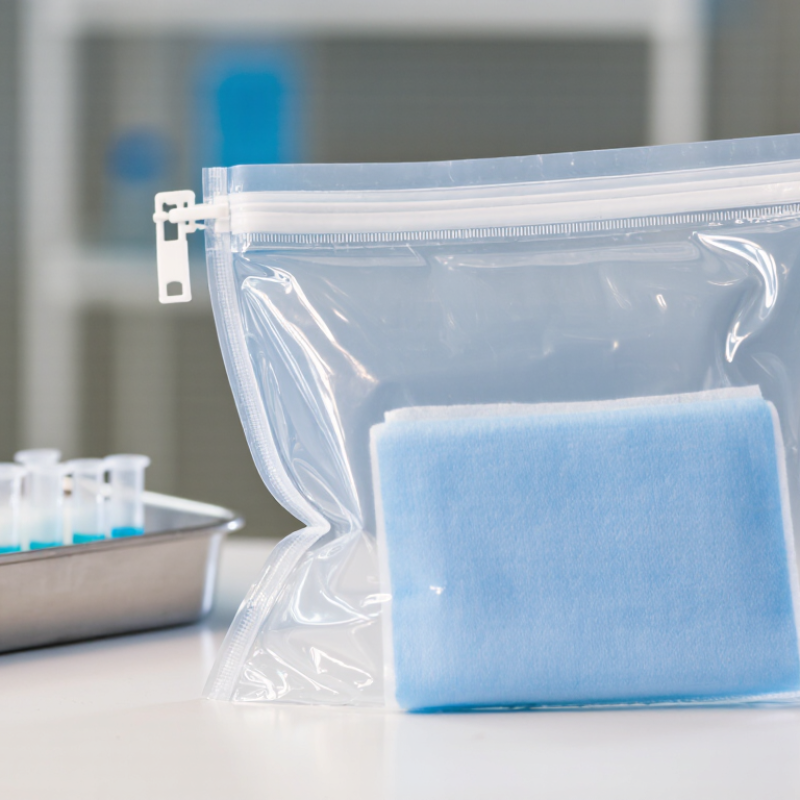
Choosing the best 95kpa specimen transport bag in 2026 requires more than reading a pressure number. The bag must support safe, controlled movement of clinical specimens through laboratories, hospitals, couriers, and storage areas. A strong design usually combines leak-resistant construction, reliable heat-sealed seams, a secure closure, and enough space for absorbent material. Small details matter. A weak zipper can undermine an impressive specification.

Biomedical packaging consultant Dr. Maya Patel explains, “A 95 kPa claim matters only when the complete package remains secure after real handling.” That principle deserves attention. The pressure rating describes tested resistance, but it does not automatically prove durability during drops, vibration, stacking, or temperature changes. Buyers should review test evidence, material compatibility, manufacturing consistency, and supplier traceability. Clear labeling also helps staff identify the specimen compartment quickly.

The best option is not always the thickest bag. It should match the specimen size, workflow, and handling environment. Oversized packaging may move unnecessarily inside an outer container. A tight fit may damage closures or reduce absorbent capacity. I would also question products with vague test claims or no documented quality process. That hesitation is useful.

This guide examines practical features behind the 2026 best 95kpa specimen transport bag. It considers construction, usability, validation, and everyday reliability. The goal is simple: help professionals choose packaging that protects specimens without creating new handling problems. No bag suits every workflow. Careful evaluation still matters.
What Is the 2026 Best 95kPa Specimen Transport Bag?

Definition and Purpose of a 95 kPa Specimen Transport Bag

What Is the 2026 Best 95kPa Specimen Transport Bag?

A 95 kPa specimen transport bag is a tested secondary container designed to resist an internal pressure difference of 95 kilopascals. Its purpose is simple: keep a biological specimen contained during changes in altitude, temperature, and handling. The bag should remain sealed when the outer package experiences pressure stress.

A reliable system usually includes a leak-resistant primary receptacle, enough absorbent material, and a strong outer package. The bag alone is not always sufficient. For example, a capped tube may sit inside an absorbent sleeve, then inside the 95 kPa pouch. This layered structure helps control leakage if the tube cracks or opens. Clear labeling and a secure closure also reduce handling errors.

In routine laboratory shipping, staff should inspect the seal, pouch surface, and closure before dispatch. A tiny puncture can defeat an otherwise compliant design. That detail is easy to miss. The term “95 kPa bag” can also mislead users, because performance depends on the complete packaging system, not only the pouch. Current transport requirements, validated test records, and internal handling procedures should guide selection. I would also question any product that offers impressive pressure claims without clear testing evidence. Perfect packaging does not exist. Careful preparation still matters.

Key Safety Standards for 95 kPa Specimen Packaging in 2026

What Is the 2026 Best 95kPa Specimen Transport Bag?

Key Safety Standards for 95 kPa Specimen Packaging in 2026

The best 95 kPa specimen transport bag is not defined by appearance. It must protect primary containers during pressure changes, vibration, and accidental leakage. IATA’s 2026 Dangerous Goods Regulations require leakproof primary and secondary packaging for applicable biological specimens. The packaging system must withstand a 95 kPa pressure differential without leakage. A strong outer pouch, clear documentation area, and absorbent material are practical requirements.

WHO’s Global Report on Infection Prevention and Control states that healthcare-associated infections affect about 7% of patients in high-income countries and 15% in low- and middle-income countries. Secure specimen transport supports safer laboratory workflows, but it cannot replace trained handling. In routine receiving checks, staff should inspect seals, container closure, absorbent capacity, and visible damage. A 95 kPa label alone is not enough. That assumption needs reconsideration.

Tips: Select packaging supported by documented pressure-test evidence. Confirm the primary container is individually sealed before loading. Keep request forms separate from specimens, while maintaining traceability. Check the bag after cold-chain movement, because condensation can weaken labels and obscure markings. Use a measured absorbent pad, not a random tissue layer. Small details matter. Even experienced teams can miss them.

Essential Design Features of the Best Specimen Transport Bags

What Is the 2026 Best 95kPa Specimen Transport Bag?

The best 95kPa specimen transport bag begins with verified pressure performance, not a glossy appearance. WHO’s Guidance on Regulations for the Transport of Infectious Substances, 2023, identifies 95kPa pressure resistance as a critical packaging requirement. That equals about 0.95 bar or 13.8 psi. The bag should support a secure secondary container, absorbent material, and clear orientation markings. Its closure must remain sealed during vibration, handling, and temperature changes.

Design details matter during real laboratory work. A strong bag uses puncture-resistant film and reinforced seams. Transparent sections help staff inspect labels without opening the package. Separate document pockets reduce contact with the specimen compartment. According to IATA’s 2025 Dangerous Goods Regulations, packaging must withstand pressure, leakage, and routine transport stresses. Good designs also provide enough internal space. Overfilled bags can distort seals and weaken protection.

Practical testing should include compression, drop, and leak checks. The WHO Laboratory Biosafety Manual, 4th edition, emphasizes risk-based containment and reliable handling procedures. A bag that passes one pressure test may still fail after cold storage. I would not treat thick plastic as proof of quality. Seal geometry, material recovery, and user handling can matter more. The ideal 2026 design is therefore measurable, traceable, and easy to use, even when gloves are wet or labels become difficult to read. Small handling errors remain possible. Good design should expect them.

What Is the 2026 Best 95kPa Specimen Transport Bag? - Essential Design Features of the Best Specimen Transport Bags
Design Feature Recommended Specification Verification or Acceptance Criterion Why It Matters
95 kPa Pressure Resistance The primary receptacle or secondary packaging should withstand an internal pressure differential of at least 95 kPa without leakage or rupture. Pressure testing should be performed according to the applicable transport and packaging standard. No visible leakage, cracking, or seal failure should occur. Protects specimens during changes in altitude, air transport, and temperature-related pressure variation.
Leakproof Secondary Compartment A separate, securely sealed pouch for specimen containers, with a continuous seal and no exposed opening around the closure. The sealed compartment should pass leak testing after handling, compression, and temperature exposure. Prevents leakage from reaching documents, outer packaging, handlers, or other specimens.
Absorbent Material Absorbent material must be sufficient to absorb the entire liquid contents of all primary receptacles placed inside the secondary packaging. Use a practical spill simulation with the maximum declared liquid volume. No free liquid should remain after absorption. Controls accidental leakage and supports the containment requirements for liquid biological specimens.
Triple-Packaging Compatibility The bag should accommodate leakproof primary containers, absorbent material, a leakproof secondary pouch, and a rigid outer package where required. Confirm that the complete package remains closed and protective after vibration, drop, and compression testing. A specimen transport bag is one part of a compliant system rather than a replacement for the complete packaging configuration.
Material Construction Use puncture-resistant polyethylene or a comparable flexible polymer. A practical film thickness range is approximately 60–100 micrometres, depending on construction and use. Evaluate puncture resistance, tear resistance, seam strength, and performance after exposure to the intended temperature range. Reduces the risk of damage caused by sharp tube edges, routine handling, and contact with other packaged materials.
Secure Closure Use a fully engaging zipper, pressure seal, or heat-sealed closure with a visible closed position. The closure should remain sealed after repeated opening and closing, pulling, inversion, and moderate compression. A reliable closure helps prevent specimen loss and maintains containment during transport.
Document Separation Provide an external document sleeve or a dedicated dry compartment that is physically separated from the specimen compartment. Documents should remain dry, legible, and accessible without opening the specimen compartment. Reduces contamination risk and keeps requisition forms, labels, and transport records protected.
Clear Identification Area Include a smooth, writable label panel with space for specimen identification, collection date, handling instructions, and emergency contact details where required. Labels should remain readable after moisture exposure, refrigeration, rubbing, and routine handling. Supports accurate identification and reduces the risk of processing or routing errors.
Temperature Performance Select materials and seals that remain functional across the intended shipping range. For air-transport pressure qualification, testing commonly considers approximately −40°C to +55°C. Inspect the film, seams, closure, and labels after conditioning at the declared minimum and maximum temperatures. Cold storage, hot vehicles, aircraft holds, and loading areas can affect flexibility, adhesion, and seal integrity.
Practical Medium Format An example medium format is approximately 220 × 300 mm, with the usable capacity clearly stated by the supplier. Confirm that the bag accommodates the intended number of containers without overfilling, excessive bending, or stressing the closure. Correct sizing improves protection, packing efficiency, and ease of handling.
Tamper Evidence Add a tear strip, security seal, or another visible indication that shows whether the transport compartment has been opened. The tamper indicator should show clear evidence of removal or damage and should not be reusable after opening. Helps document chain of custody and alerts receiving personnel to possible interference.
User Instructions Print concise instructions for sealing, absorbent placement, document positioning, temperature handling, and disposal. Instructions should be permanently readable and understandable without relying on removable packaging inserts. Clear instructions reduce packing mistakes and improve consistent use across collection and transport locations.
Regulatory Use Statement Clearly state the intended application, such as transport of diagnostic specimens or Biological Substance, Category B, when the complete packaging system meets the applicable requirements. Confirm the complete packaging configuration, markings, labels, and shipping documents against the current applicable regulations before use. Compliance depends on the complete transport system, not only on the bag’s material or advertised pressure rating.
Recommended practice: verify the complete primary, secondary, and outer packaging configuration against the current applicable transport regulations before shipping any specimen.

How to Evaluate Materials, Closures, Labels, and Leak Protection

What Is the 2026 Best 95kPa Specimen Transport Bag?

A reliable 95kPa specimen transport bag starts with tested materials, not attractive packaging. IATA’s Dangerous Goods Regulations, 67th Edition (2026), requires the primary receptacle or secondary packaging to withstand 95kPa without leakage. The bag itself may not carry that entire responsibility. Confirm the test scope carefully. A multilayer film can resist punctures, moisture, and temperature changes, but flexibility still matters during loading. A rigid seal can crack when folded. I have seen this overlooked in practical packing tests.

Closure design needs equal attention. A double-track seal, tamper-evident feature, and a separate absorbent layer can reduce failure risks. WHO’s Guidance on Regulations for the Transport of Infectious Substances, 2023, emphasizes leakproof secondary packaging and sufficient absorbent material. Labels should remain readable after condensation, rubbing, and cold storage. Thermal-transfer printing usually performs better than ordinary ink. Still, labels can peel.

Test the complete system.

Use filled samples, not empty bags. Apply compression, vibration, and pressure testing based on ASTM D4169 distribution conditions. ISO 15189:2022 also supports documented risk control and traceable handling processes. Check seal strength after refrigeration and repeated bending. A bag passing one pressure test may fail after transport abuse. That is the uncomfortable detail. “95kPa” is not a quality guarantee by itself. Record lot numbers, inspection results, and corrective actions for every evaluation.

What Is the 2026 Best 95 kPa Specimen Transport Bag?

Evaluation priorities for selecting a specimen transport bag include pressure resistance, leak protection, closure integrity, absorbency, and compliant labeling. For Category B shipments under UN3373 Packing Instruction P650, the packaging system must withstand a 95 kPa pressure differential, use leakproof primary and secondary packaging, include sufficient absorbent material for the full liquid contents, and display the required transport marking.

How to read the chart: The percentages represent a practical screening priority for comparing bag designs. Pressure resistance and leak protection receive the highest weighting because they directly support containment during air transport. The weighting is an evaluation framework rather than a regulatory scoring system.

Choosing the Right 95 kPa Bag for Different Specimen Types

What Is the 2026 Best 95kPa Specimen Transport Bag?

Choosing the Right 95 kPa Bag for Different Specimen Types

The best 95 kPa specimen transport bag depends on the sample, container, temperature, and travel time. A bag designed for liquid tubes may not suit tissue or swab specimens. Practical laboratory packing experience shows that fit matters as much as pressure resistance.

For liquid specimens, choose a strong leak-resistant secondary bag with enough absorbent material. The absorbent layer should hold the entire liquid volume if a tube breaks. Check the seal after packing. Small details matter. For swabs, a narrow pouch can reduce movement and protect fragile shafts. Tissue samples need a stable container, especially when placed in preservative. The bag should prevent leakage without crushing the primary container.

Frozen specimens require extra planning. Cold packs or dry ice can change internal pressure and create condensation. Use packaging designed for the selected cooling method, then verify the current carrier and transport requirements. A 95 kPa rating alone does not guarantee safe handling. The outer package still needs strength, clear identification, and proper separation from paperwork.

A common mistake is choosing one universal bag for every specimen type. It saves time, but it can cause poor fit and unnecessary movement. The perfect bag is rarely perfect. Review volume limits, closure quality, material flexibility, and inspection records before purchase. When uncertain, test the packed configuration with the actual container size and absorbent load.