Best Absorbent Pads for Maximum Efficiency and Use?
In today's industrial landscape, efficiency is paramount. Absorbent pads play a critical role in managing spills and leaks. According to a recent report by the Environmental Protection Agency, oil spills alone account for over 14,000 incidents annually in the U.S. These pads are designed to quickly soak up liquids, minimizing waste and reducing cleanup time.
The demand for high-quality absorbent pads has surged. A study by MarketsandMarkets indicated that the global absorbent products market is expected to grow at a CAGR of 5.6% from 2021 to 2026. This growth highlights the increasing need for effective spill containment solutions across various sectors. However, not all absorbent pads are created equal. Some fail to provide adequate absorption, leading to wasted resources and time.
Choosing the right absorbent pad can be challenging. Users often grapple with factors like material type and absorbency rate. Many pads only partially meet industry standards, prompting reflection on their effectiveness. Investing in superior absorbent pads is essential for maximizing efficiency and ensuring safety in workplaces.
Types of Absorbent Pads and Their Applications
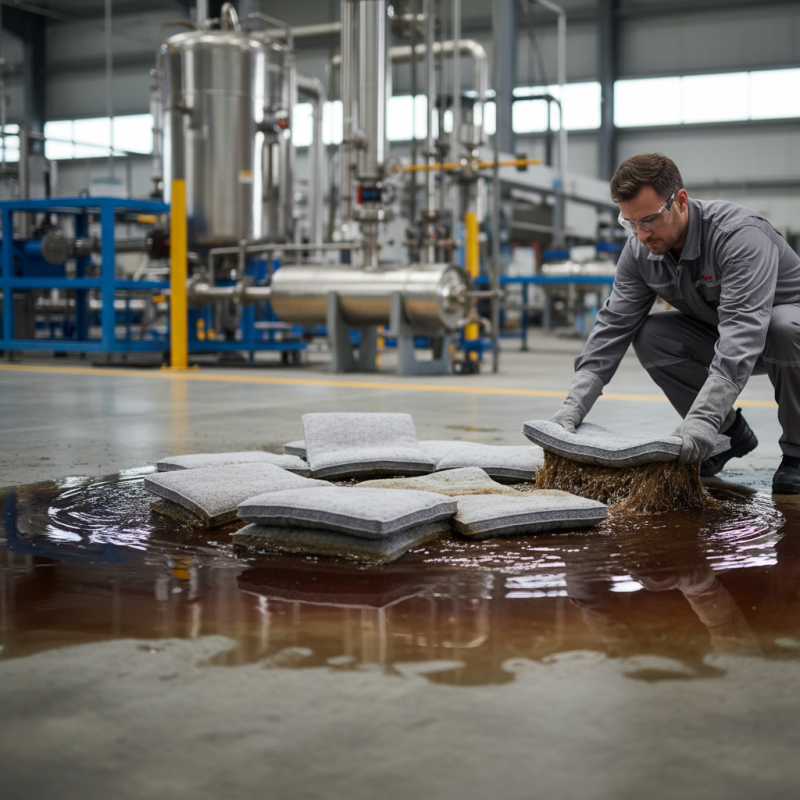
When it comes to absorbent pads, understanding the different types and their applications is crucial. There are generally three main types: universal, oil-only, and chemical absorbent pads. Universal pads tackle both water and oil spills. They are versatile for various industrial applications. Oil-only pads, as the name suggests, are ideal for petroleum-based spills. Meanwhile, chemical pads handle hazardous substances, preventing reactions with the environment.
Data from industry insights indicate that absorbent pads can reduce cleanup time by over 50%. This efficiency saves businesses money and minimizes disruption. For instance, many manufacturers emphasize the importance of using the right type of pad for specific spills. Selecting the wrong product can lead to ineffective cleanup.
Tips: Always assess the type of spill before choosing a pad. This ensures maximum efficiency. Storing pads in easily accessible locations can expedite the response during an emergency. Consider training staff on proper usage; misapplication can lead to safety issues. Remember, even minor oversights can lead to bigger problems later.
Best Absorbent Pads for Maximum Efficiency and Use
This chart represents the absorbency capacity of various types of absorbent pads commonly used in different applications. The values are measured in liters absorbed per pad, showcasing the efficiency of each type.
Key Features to Consider for Maximum Absorbency
When selecting absorbent pads, certain key features significantly influence their efficiency. Material composition is crucial. Look for pads made from high-quality absorbent materials like polymer blends or natural fibers. These materials soak up liquids quickly and reduce the risk of leaks. A thicker pad may offer more absorbency, but it's essential to balance thickness with comfort. Remember, you want something that performs well without feeling bulky.
Another critical aspect is the pad’s size and fit. A larger pad may cover more area, but ensure it fits the intended space properly. Sizing is often overlooked, leading to spills or insufficient absorption. Check for contour designs that conform to shapes, enhancing coverage. In addition, many pads have moisture-lock technology. This feature traps liquids instead of allowing them to seep back. However, effectiveness varies. Testing different types can help in identifying what works best for your needs.
Lastly, consider the environmental impact. Some pads are disposable while others are reusable. Disposable options may offer convenience but generate waste. Reusable pads can be eco-friendly but require washing, and that adds another step. Reflect on what aligns with your values and lifestyle. The optimal choice often lies in balancing efficiency with practicality and sustainability.
Comparison of Materials Used in Absorbent Pads
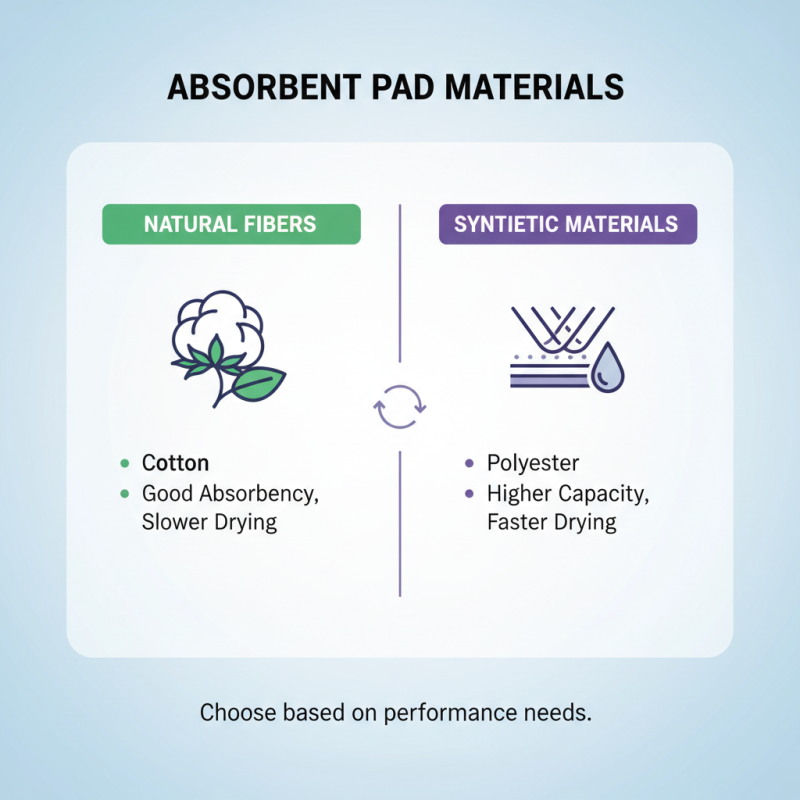
When choosing absorbent pads, material selection plays a crucial role in performance. There are several materials commonly used, each with its unique properties. Natural fibers, such as cotton, provide good absorbency but can take longer to dry. Synthetic materials, like polyester, often offer higher absorbent capacity and faster drying times.
According to industry data, pads made from superabsorbent polymers (SAP) can absorb up to 30 times their weight in liquid. This makes them ideal for heavy-duty applications. However, they may not be biodegradable, leading to environmental concerns.
Tips: For maximum efficiency, consider your specific needs. If quick absorption and drying are priorities, opt for synthetic blends. Regularly evaluate the performance of your pads to ensure they meet your expectations and minimize waste. Remember, not all pads are created equal, and testing different materials can yield surprising results.
Best Practices for Using Absorbent Pads Effectively
Using absorbent pads effectively requires some attention to detail. To begin, always select the right type of pad for the job. Consider the material and thickness. Different tasks may require specific features, such as quick absorption or durability.
Tip: Keep absorbent pads close to areas prone to spills. This ensures quick access when accidents happen. Proper placement can greatly reduce cleanup time.
When using the pads, apply them generously. Don't hesitate to use multiple pads for larger spills. This helps in maximizing absorption and prevents oversaturation. Regularly check on the pads. If they seem full, change them out promptly. An overflow can lead to further mess.
Tip: Use pads in layers for better protection. Layering can enhance absorbent capacity and block liquid from seeping through. Take a moment to reassess your setup. Are you using them to their full potential?
Maintenance and Disposal of Absorbent Pads for Longevity
Proper maintenance and disposal of absorbent pads is crucial for achieving their maximum efficiency. Clean pads not only absorb better but also last longer. It’s essential to check pads regularly for saturation. A soaked pad will be ineffective and may even create a mess. When using them, consider the environment. Overusing or neglecting old pads can lead to waste.
Disposal methods vary depending on the materials used in the pads. Some can go into regular waste, while others may require special handling. Always verify guidelines to avoid environmental harm. It’s common to overlook disposal regulations, leading to potential issues. When cleaning up spills, ensure you change the pads as needed. Ignoring this can lead to cross-contamination and unsafe conditions.
Incorporating these practices may seem burdensome. Yet, creating a simple checklist can make it manageable. Remember, maintaining efficiency isn’t just about the product itself. It requires thoughtful attention to detail. By focusing on the upkeep and proper disposal, extend the life and functionality of your absorbent pads effectively. These small actions can lead to significant benefits overall.
Best Absorbent Pads for Maximum Efficiency and Use
| Type of Pad |
Material |
Absorption Capacity (L) |
Size (inches) |
Disposal Method |
Expected Longevity (usage) |
| Universal Pad |
Polypropylene |
0.7 |
16 x 20 |
Landfill |
5-6 uses |
| Oil-Only Pad |
Polyethylene |
0.9 |
15 x 19 |
Incineration |
3-4 uses |
| Heavy-Duty Pad |
Cellulose and Polypropylene |
1.2 |
18 x 18 |
Landfill |
6-8 uses |
| Chemical Absorbent Pad |
Specialized Blend |
0.8 |
17 x 19 |
Hazardous Waste |
2-3 uses |
| Reusable Pad |
Cotton and Synthetic |
1.0 |
20 x 20 |
Washable |
Use until damaged |

 +86 178 5514 5298
 CONTACT NUMBER
 CONTACT NUMBER