Best Biohazard Specimen Transport Bags for Global Buyers?
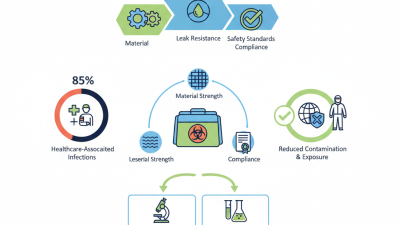
In today's global market, the need for biohazard specimen transport bags is paramount. These bags are essential for safely transporting infectious materials. They ensure compliance with health regulations and protect both the specimens and handlers. High-quality transport bags provide reliable barrier protection against leaks and contamination.
Choosing the right biohazard specimen transport bags is crucial for laboratories and medical facilities. The right bags help maintain the integrity of sensitive specimens. Many global buyers may face challenges in sourcing effective solutions. This can lead to potential risks in specimen handling. Evaluating the quality of materials and design is vital.
It is important to consider market reputation and performance history when selecting a supplier. Not all products meet stringent safety standards. Therefore, buyers must analyze product specifications carefully. This includes dimensions, seal strength, and material durability. Engaging with reputable manufacturers can enhance the reliability of these critical tools. Ultimately, informed decisions lead to improved safety and efficacy in specimen transport.
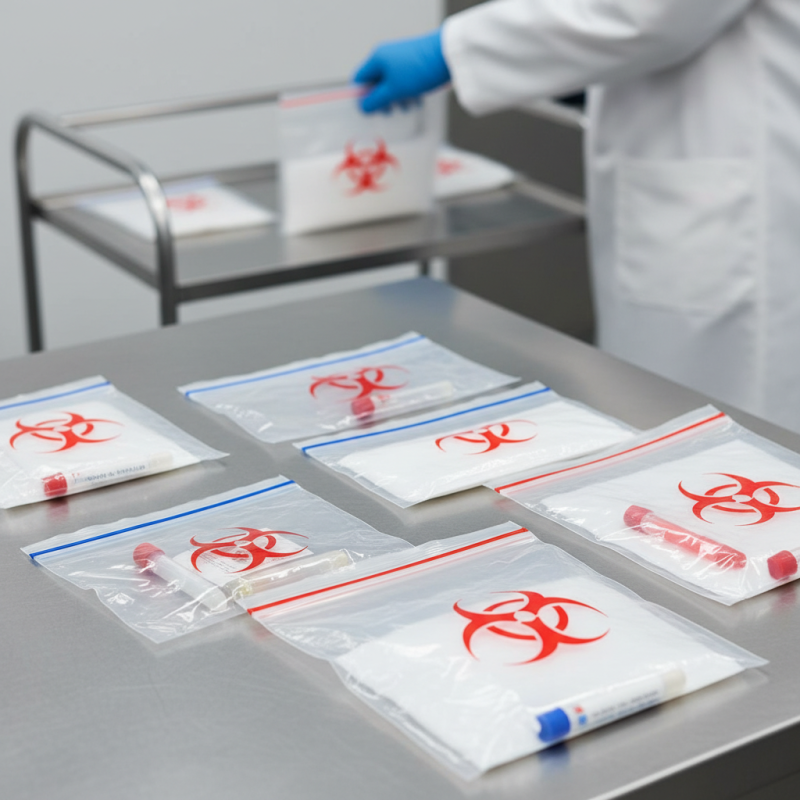
Understanding Biohazard Specimen Transport Bags and Their Importance
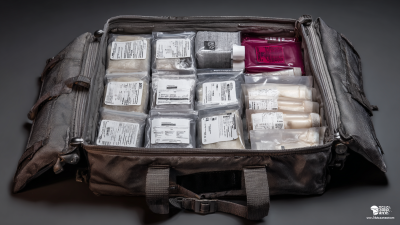
Biohazard specimen transport bags play a crucial role in healthcare and laboratory settings. They ensure
safe transportation of potentially infectious materials. These bags are designed to minimize contamination risks during transport.
They help protect both healthcare workers and the public from hazardous substances. Understanding their structure and application
is essential for anyone involved in medical shipping.
When selecting transport bags, consider different materials and their security features. Bags should be leak-proof,
puncture-resistant, and appropriately labeled. Always verify if the bags meet safety regulations.
Additionally, proper sealing methods are vital. Incorrect sealing can lead to leaks. This oversight could compromise both the safety and integrity
of samples.
Tips: Always inspect bags: check for defects before use. Train staff thoroughly on
proper handling. Regular audits will reinforce safety standards. Remaining vigilant in these areas will ensure compliance and
safety in specimen transport.
Key Features to Consider When Choosing Biohazard Transport Bags
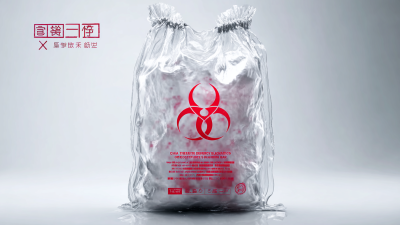
When selecting biohazard specimen transport bags, consider key features that ensure safety and reliability. Quality materials are crucial. Bags should be puncture-resistant and leak-proof to prevent any spills. This is vital in maintaining the integrity of samples during transport. The clarity of the bag is also important. Clear bags allow for easy identification of contents.
Labels on the bags should be durable and easy to read. This assists in correct sample handling and processing. However, some users find that the labels can peel off over time. A bag’s size is another factor to consider. It should accommodate various types of specimens without being overly large. Oversized bags may cause unnecessary shifts, risking contamination.
In addition, look for bags that have strong seals. Zippers or adhesive seals offer better security than simple ties. Yet, ensure these seals are user-friendly. Complicated seals can lead to user frustration in emergencies. Elasticity in the material is also worth noting. While some bags stretch easily, others may not, affecting usability during high-pressure situations.
Top Manufacturers and Brands of Biohazard Specimen Transport Bags
When selecting biohazard specimen transport bags, understanding the market landscape is crucial. Industry reports indicate that the biohazard transport bag market is expected to witness significant growth over the next few years, driven by increasing healthcare needs. Manufacturers focus on producing bags that comply with stringent safety standards while ensuring durability and effectiveness.
Some leading brands emphasize the need for leak-proof and puncture-resistant materials. According to recent studies, more than 70% of laboratory incidents relate to improper specimen handling. This highlights the importance of reliable transport solutions. Experts recommend bags made from certified materials to minimize risks during transportation.
Innovation plays a vital role in this sector. Manufacturers are integrating advanced sealing technologies to enhance security. Data shows that bags with tamper-evident features reduce contamination risks. However, not all producers maintain high-quality standards. Some bags may not effectively withstand harsh conditions during transit. Keeping abreast of manufacturer reputation and customer feedback is essential for buyers to make informed decisions.
Distribution of Biohazard Specimen Transport Bags by Material Type
Regulatory Standards and Compliance for Biohazard Transport Bags
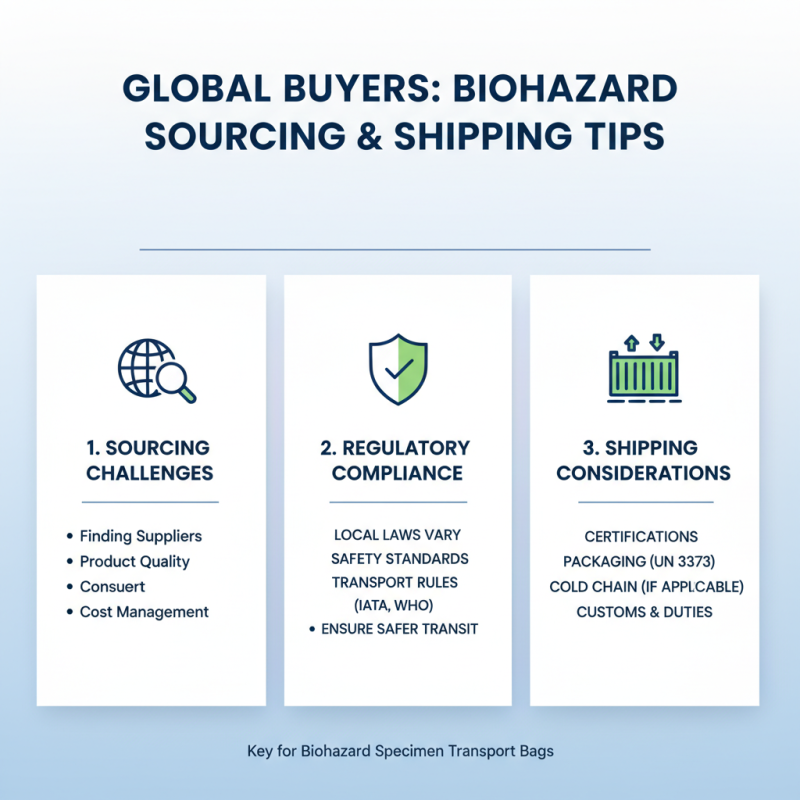
When transporting biohazard specimens, compliance with regulatory standards is crucial. The World Health Organization (WHO) outlines a 2019 report which emphasizes the need for suitable transport containers. These containers must maintain the integrity of samples and prevent leaks. Specimen transport bags should adhere to UN3373 regulations, ensuring safety during transit.
A study by the Centers for Disease Control and Prevention (CDC) reveals that improper packaging can lead to contamination. For instance, in 2021, 15% of specimen shipping incidents stemmed from inadequate protective measures. It highlights the need for training personnel in proper handling to prevent errors. Moreover, visual indicators on bags can enhance compliance awareness.
While regulations are clear, challenges persist. Some facilities struggle with sourcing compliant bags that also meet budget constraints. The balance between cost and safety must be addressed. As technology advances, newer materials may offer better protection while being cost-effective. Monitoring compliance regularly is essential for continuous improvement in biohazard transport safety.
Best Biohazard Specimen Transport Bags for Global Buyers
| Dimension |
Material |
Leakproof |
Regulatory Compliance |
Expiry Date |
Usage Instruction |
| 10 x 12 inches |
Polyethylene |
Yes |
ISO 15189 |
2025-12-31 |
Use for specimen collection and transport |
| 12 x 18 inches |
Polypropylene |
Yes |
EN 15495 |
2026-01-15 |
Ensure proper sealing before transport |
| 8 x 10 inches |
Biohazard resistant poly |
Yes |
ASTM D1709 |
2025-05-20 |
Store in a cool, dry place |
| 14 x 16 inches |
Multi-layer plastic |
Yes |
CLIA |
2024-11-30 |
Dispose of as per local regulations |

 +86 178 5514 5298
 CONTACT NUMBER
 CONTACT NUMBER