What is the Best Biohazard Specimen Transport Bags Option?
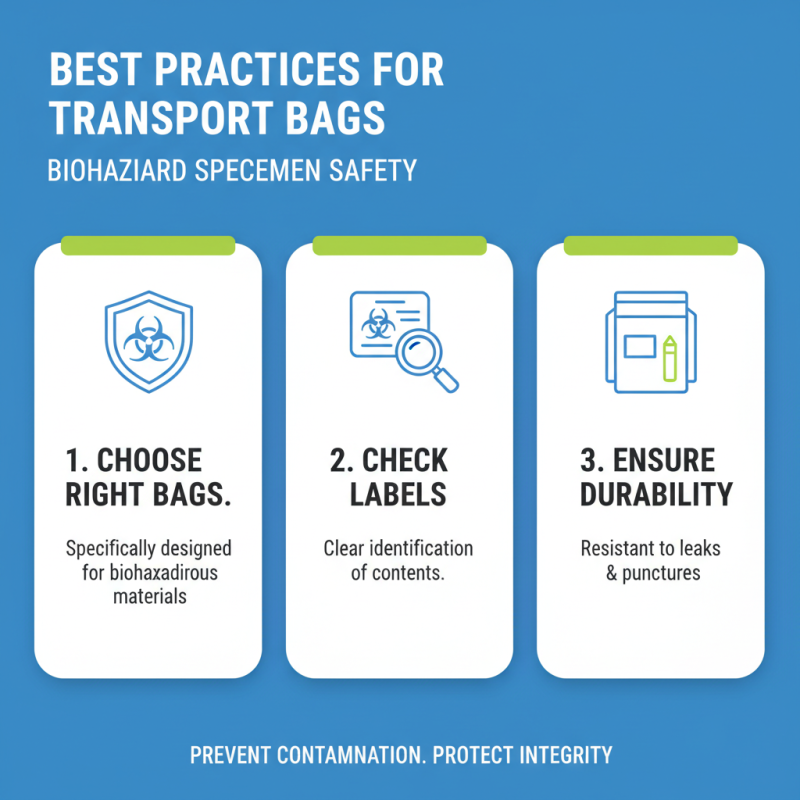
Choosing the right biohazard specimen transport bags is critical for safe specimen handling. These bags ensure that biological materials are transported securely, minimizing contamination risks. Hospitals, labs, and research facilities rely on these products to comply with safety standards.
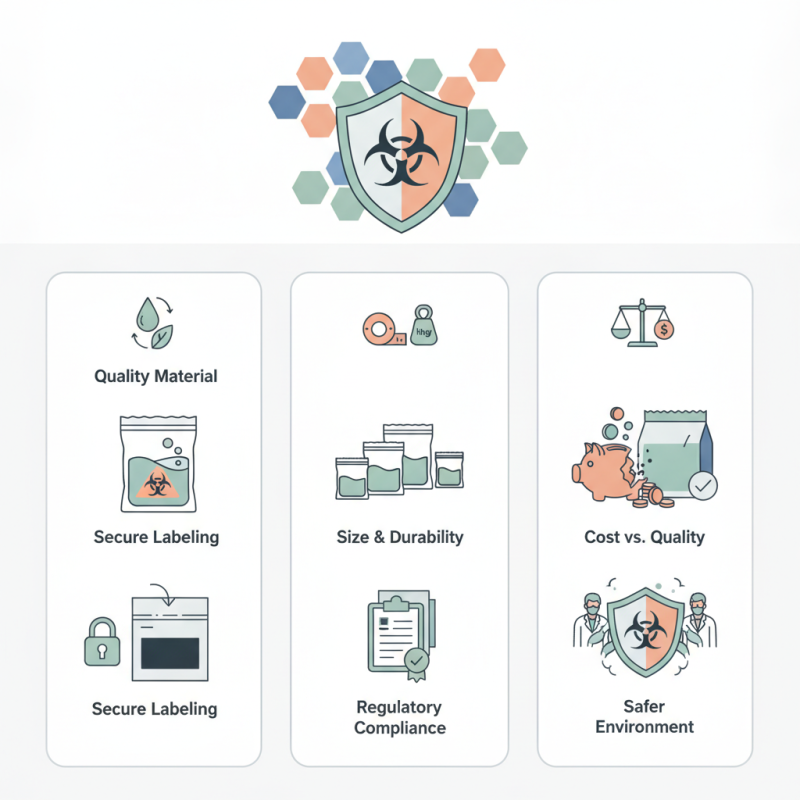
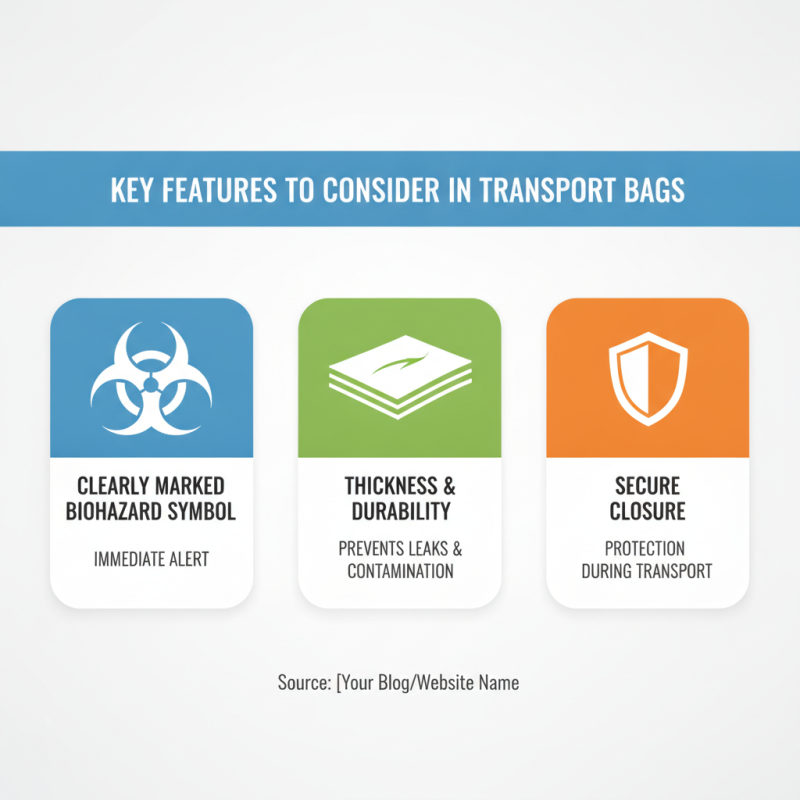
When selecting biohazard specimen transport bags, consider key features. Quality material is essential to prevent leaks. The bags should be clearly labeled, making it easy to identify hazardous contents. Size and durability also matter. However, options can be overwhelming. Not all bags meet the required regulatory standards.
Reflecting on your current choices may reveal shortcomings. Perhaps you prioritize cost over quality. This could expose your team to potential risks. Investing in reliable biohazard specimen transport bags fosters a safer environment for everyone.
Overview of Biohazard Specimen Transport Bags
Biohazard specimen transport bags are critical in biomedical environments. They prevent contamination and ensure safe transport of hazardous materials. A recent industry report indicates that improper handling accounts for over 30% of contamination incidents in laboratories. This highlights the need for quality transport solutions.
Quality biohazard bags come in various sizes and materials, often color-coded for identification. They must meet strict regulatory standards for safety. A 2022 study in the Journal of Health Safety showed that using certified biohazard bags reduced contamination incidents by up to 50%. Proper sealing and secure closure are essential features to consider.
However, not all bags perform equally in real-life situations. Some may fail under extreme temperatures or prolonged use. Regular reviews and updates on bag specifications are advisable. Facilities should conduct their assessments to identify needs specific to their operations. Ultimately, selecting the right biohazard transport bag impacts laboratory safety and public health.
What is the Best Biohazard Specimen Transport Bags Option? - Overview of Biohazard Specimen Transport Bags
| Feature |
Option 1 |
Option 2 |
Option 3 |
| Material |
Polyethylene |
Polypropylene |
PVC |
| Size |
6" x 9" |
8" x 10" |
10" x 12" |
| Closure Type |
Zipper |
Heat Seal |
Adhesive |
| Certification |
UN3373 Compliant |
ISO 13485 Certified |
ASTM Tested |
| Usage |
Clinical Specimens |
Research Samples |
Hazardous Materials |
| Price Range |
$0.10 - $0.20 each |
$0.15 - $0.25 each |
$0.20 - $0.30 each |
Types of Biohazard Specimen Transport Bags Available
When it comes to transporting biological specimens, choosing the right biohazard specimen transport bags is crucial. These bags come in various types, each designed for specific purposes. For example, single-use bags provide a cost-effective option for routine samples. They are easy to handle and ensure containment during transit.
Another type is durable, multi-use bags. These are ideal for labs with higher volume needs, allowing for repeated use while maintaining safety standards. Reinforced seams and leak-proof materials are essential features of these bags. They can withstand rough handling and offer added reliability.
Tips: Consider visibility. Transparent bags help quick identification of the contents without opening them. Always check for certifications to ensure compliance with safety regulations. If a bag shows wear or damage, replace it immediately. Being proactive can prevent costly accidents.
Choosing the right type of biohazard specimen transport bags is a careful process. Each type serves a purpose, but none are infallible. Regular assessments of your transport method can uncover hidden risks. Prioritize safety, and always be ready to adapt to new protocols.
Types of Biohazard Specimen Transport Bags
Comparative Analysis of Leading Brands
When selecting biohazard specimen transport bags, understanding the key features is critical. A comparative analysis reveals significant differences in materials, durability, and sealing methods. According to industry reports, bags made with high-density polyethylene offer enhanced puncture resistance, which is vital for maintaining specimen integrity during transport. Some options come with triple-layer designs, improving biodegradability while ensuring leak-proof performance.
In a study conducted by the Health Safety Agency, more than 75% of lab professionals reported concerns over specimen contamination. Therefore, a reliable sealing mechanism is non-negotiable. Many bags utilize zip-seal technology, while others employ adhesive seals. Although adhesive seals can provide benefits, they often fail under extreme temperatures, leading to potential risks.
Another notable aspect is the labeling area. Clear, resistant labels help in the quick identification of contents, which aids in emergency situations. However, not all bags maintain print quality over time. This inconsistency can lead to misunderstandings during specimen processing. Balancing eco-friendliness with dependable performance remains an ongoing challenge for manufacturers in this sector. It’s a complex landscape, and thorough examination is needed to make informed choices.

 +86 178 5514 5298
 CONTACT NUMBER
 CONTACT NUMBER