Best Specimen Collection Kit for Accurate and Safe Testing?
In the rapidly evolving landscape of healthcare, the accuracy of testing often hinges on the collection methods employed. A recent report by MarketsandMarkets highlights that the global specimen collection kit market is expected to grow from $9.2 billion in 2022 to $14.5 billion by 2027. This growth is fueled by the increasing demand for efficient, reliable, and safe specimen collection processes. A high-quality specimen collection kit plays a pivotal role in ensuring that samples are collected, stored, and transported without contamination.
The selection of the right specimen collection kit is critical for diagnostic integrity. For instance, studies reveal that improper handling of specimens can lead to erroneous test results, affecting patient care. Many healthcare professionals emphasize the importance of training and adherence to standards in specimen collection. Often, the challenges arise not from the kits themselves, but from the practices surrounding their use. Addressing these issues can be complex, and there is still room for improvement in many facilities.
As consumers become more aware of their health, trustworthy solutions are paramount. The quest for the best specimen collection kit drives innovation. It requires not only reliable materials but also a thorough understanding of how each component interacts with different types of specimens. Therefore, while we strive for perfection, continuous evaluation of practices and products is essential in achieving optimal outcomes.
What is a Specimen Collection Kit and Its Purpose?
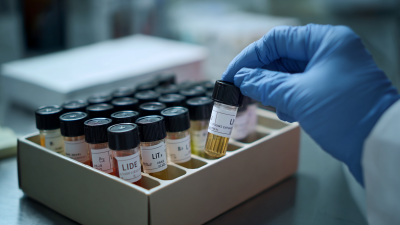
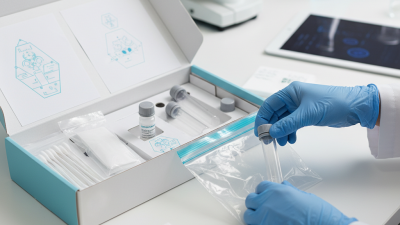
A specimen collection kit is a crucial tool in medical and laboratory settings. Its primary purpose is to gather samples for testing while ensuring accuracy and safety. These kits typically include items such as vials, swabs, and sterilized containers. Each component is designed to minimize contamination and preserve the integrity of the specimen. Medical professionals rely on these kits to obtain reliable test results.
When using a specimen collection kit, it's important to follow instructions carefully. Any mistakes can lead to inaccurate results, which might affect diagnosis and treatment. Sample handling should be done with clean hands and gloves when necessary. Always ensure the labels are filled out correctly, as mislabeling can be detrimental.
Tips: Always check expiration dates on the kit. Outdated components can compromise sample quality. Ensure your hands are clean before handling any items, and avoid touching the inside of containers. After collecting the sample, store it as directed to maintain its viability. Taking these simple steps can greatly enhance the dependability of test outcomes.
Key Features to Look for in a Collection Kit
When selecting a specimen collection kit, consider accuracy and safety. Ideal kits should contain appropriate containers that prevent contamination. Material matters; plastic and glass can affect sample integrity. Also, ensure that the kit is designed for ease of use. Complicated instructions can lead to errors during sample collection.
Look for comprehensive kits that include all necessary components. This may include swabs, vials, and labeling options. Clear labeling and user-friendly instructions make the process smoother. Think about the size and portability, especially if samples need to be sent to a lab.
Lastly, check for quality assurance features. This might include expiration dates and storage conditions. Effective kits often come with guidance for proper sample handling. Mistakes can happen, making it crucial to remain vigilant throughout the process. A reliable kit not only ensures accurate results but also promotes confidence in testing.
Types of Specimen Collection Kits for Different Tests
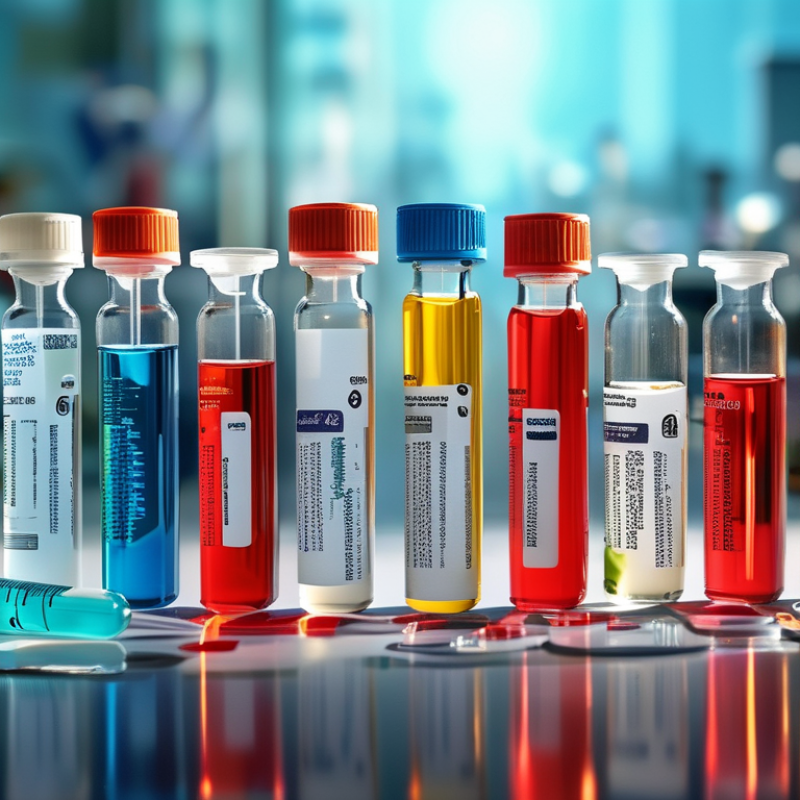
When selecting a specimen collection kit, specific needs arise based on the type of testing required. Blood tests, for example, require sterile containers and specific handling protocols. Tubes with colored tops serve various purposes, indicating the tests they support. These colors reflect different additives, which help preserve the sample.
Urine collection kits focus on cleanliness and accuracy. They often include a wide-mouth container and easy-to-follow instructions. Proper urine collection is crucial. Not everyone comprehends the importance of a midstream sample. Missteps here can lead to inaccurate results.
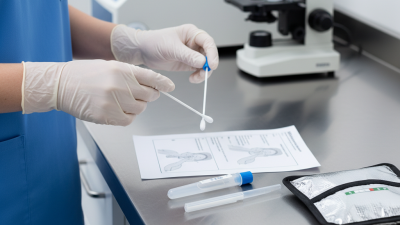
Swab kits are vital for detecting infections. They typically contain sterile swabs and transport media. Incorrect swabbing techniques can result in contamination. Users must be educated on how to use these kits effectively. Awareness of the kit’s purpose can greatly enhance testing success.
Best Practices for Using a Specimen Collection Kit Safely
When using a specimen collection kit, safety and accuracy are paramount. Understanding best practices can help ensure reliable results. Proper handling, storage, and timely transport of specimens are crucial to minimizing contamination.
Tips: Always label your specimens clearly. Use waterproof markers. This can prevent mix-ups and enhance traceability. Make sure to follow the instructions included in your kit. Each test might have unique requirements.
Another essential aspect is hygiene. Wash your hands thoroughly before and after handling specimens. This simple action can significantly reduce the risk of contamination. Keep your workspace clean and organized to avoid accidental spills or errors.
Consider the expiration dates of the materials in your kit. Using expired items can lead to unreliable results. Reflecting on your collection technique can also be beneficial. Are there ways to improve how you collect or handle the specimens? Regularly evaluate your process to maintain high standards.
Best Specimen Collection Kits for Accurate Testing
This bar chart illustrates the accuracy percentage of various specimen collection methods. Blood collection has the highest accuracy percentage, followed by saliva, urine, swab, and tissue collection methods, which are all crucial for ensuring safe and effective testing.
Tips for Ensuring Accurate Test Results with Collection Kits
When using a specimen collection kit, accuracy and safety are paramount. To ensure you get reliable test results, follow these essential tips.
Begin by carefully reviewing the instructions provided with the kit. Each kit can have specific requirements for sample collection. Missing a detail can impact test outcomes.
Next, focus on cleanliness. Use the provided sanitizing materials to prevent contamination. Even tiny microbes can affect results.
Timing is also crucial. Collect samples at the right moment as specified in the guidelines. Some tests require samples taken at specific times for accuracy.
Finally, always check that your samples are properly labeled. Mislabeling can lead to confusion and unreliable data. By prioritizing these steps, you will enhance the accuracy of your specimen collection.

 +86 178 5514 5298
 CONTACT NUMBER
 CONTACT NUMBER