What is the Best UN 3373 Bag for International Shipping?
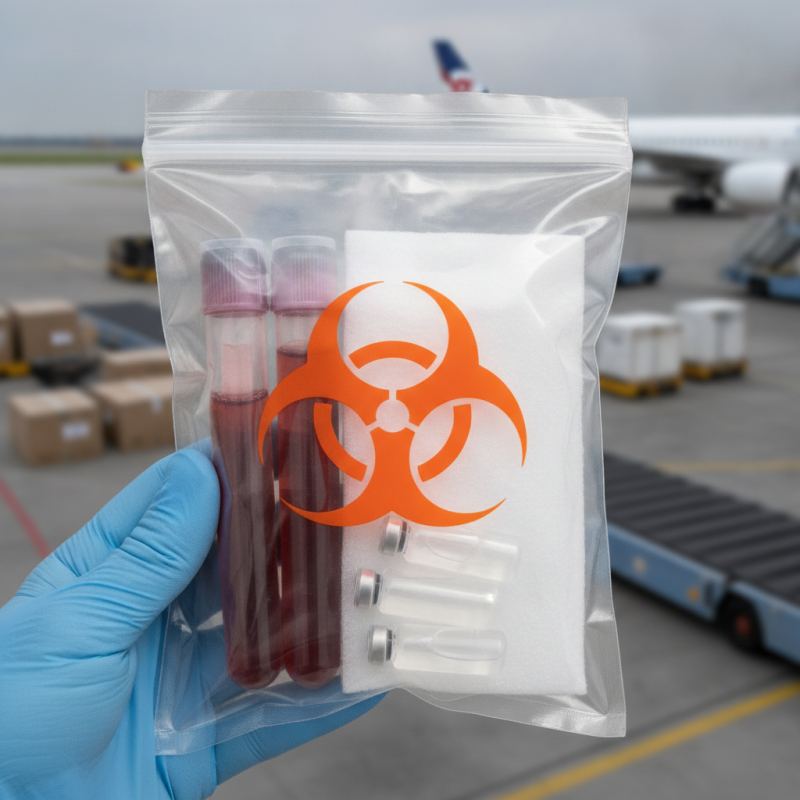
When shipping biological substances internationally, safety is paramount. The UN 3373 bag plays a crucial role in this process. Designed for transporting diagnostic specimens, it ensures compliance with international regulations. Choosing the right UN 3373 bag can feel overwhelming.
Many factors come into play, such as size, durability, and leak-resistance. A reliable bag should not only protect samples but also provide ease of use. Each bag must meet specific criteria to be truly effective. It's important to ensure that your choice aligns with the material being shipped.
Mistakes can happen in this area. An unsuitable bag could lead to compromised samples or delays in shipping. Reflecting on your options is essential. With numerous products on the market, careful consideration of your shipping needs is vital. Selecting the best UN 3373 bag can greatly impact the success of your shipment.
What is UN 3373 and Why is it Important for Shipping?
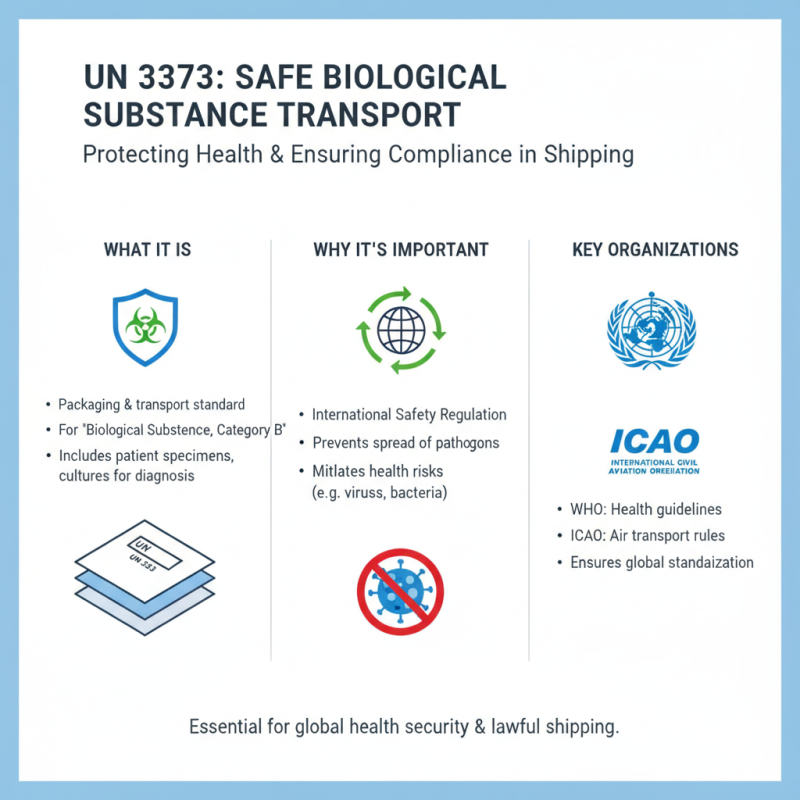
UN 3373 refers to the packaging and transportation requirements for biological substances. It is vital for international shipping due to safety regulations. These substances can carry pathogens that pose health risks. Using appropriate packaging is essential for compliance with the regulations set by organizations like the World Health Organization and the International Civil Aviation Organization.
According to a 2022 report by the International Air Transport Association, approximately 10% of air cargo consists of pharmaceuticals and biological samples. Proper UN 3373 packaging ensures these substances remain secure during transit, reducing the risk of leaks or contamination. Data from the Centers for Disease Control and Prevention indicates that breaches during transport can lead to public health crises. Consequently, adherence to these regulations is critical for maintaining health safety.
The design of UN 3373 bags must incorporate multiple layers of protection. This includes leak-proof containers and cushioning materials. Despite advances, issues still arise, such as improper sealing or inadequate materials used. Each shipment needs careful consideration to mitigate these risks. Understanding the nuances of UN 3373 is not just a regulatory requirement; it is a responsibility that impacts global health.
Key Features to Look for in a UN 3373 Bag
When selecting a UN 3373 bag for international shipping, there are several key features to consider. Firstly, the bag should comply rigorously with the UN 3373 packaging regulations, ensuring it is suitable for transporting clinical and biological samples. According to a report by the World Health Organization, improperly packaged biological samples can lead to safety risks and regulatory non-compliance, which may result in penalties or shipment delays.
Durability is crucial. The bag should be made from robust materials to withstand various shipping conditions. For instance, materials like high-density polyethylene offer a good balance of flexibility and toughness. Furthermore, effective seals and secure closures are essential to prevent leaks. A survey conducted by the International Air Transport Association highlights that 25% of shipping failures stem from inadequate packaging, emphasizing the need for reliable closure systems.
Another aspect to consider is the inclusion of cushioning and proper labeling. Cushioned interiors protect samples from impacts during transit. Additionally, clear labeling with UN numbers ensures compliance with international shipping standards. A report from the Centers for Disease Control and Prevention indicates that mislabeling contributes to 15% of shipping delays, underlining the importance of meticulous attention to detail in packaging. While there are many options available, finding a bag that strikes a balance between all these features can be more challenging than it seems.
Comparing Top Brands for UN 3373 Bags: Pros and Cons
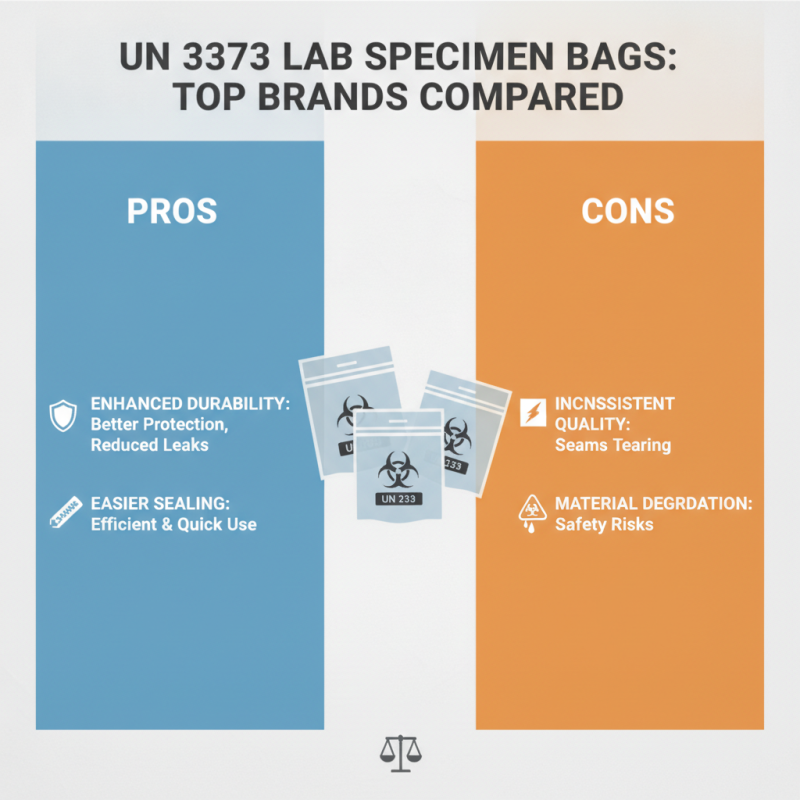
When choosing UN 3373 bags, various brands offer distinct advantages and drawbacks. Some bags feature enhanced durability, ensuring better protection during transit. This could reduce the risk of leaks or contamination. Others have easier sealing mechanisms, which facilitate use and efficiency. However, not all bags maintain a consistent quality standard. Some users have reported issues with seams tearing or materials degrading, leading to potential safety hazards.
Cost factors also come into play when selecting a bag. Budget-friendly options may lack advanced features, impacting their overall effectiveness. In contrast, premium choices often include added layers of security. Users may feel more confident in high-end products but might find the expense difficult to justify. The balance between price and quality is crucial, and each organization must assess its needs.
In the realm of versatility, some bags cater to specific shipping requirements. Those designed for various contents can be appealing, yet they may not always meet stringent regulations. It's vital to ensure compliance with international shipping standards. Users must remain vigilant. Sometimes, what seems ideal may not be the best fit in the long run.
Understanding Compliance: Regulations for International Shipping
When shipping internationally, compliance with regulations is crucial. The UN 3373 regulations specify the packaging required for biological substances. These strict guidelines ensure the safety and security of goods in transit. According to the International Air Transport Association (IATA), over 1.3 billion passengers were transported in the first half of 2023, making adherence to these regulations increasingly important for ensuring public safety.
A well-designed UN 3373 bag must include specific features. It should be leak-proof, durable, and easy to seal. Reports have shown that 45% of shipping delays are due to non-compliance with packaging standards. This indicates that selecting the right bag can significantly reduce the risk of shipment issues. However, many shippers underestimate the importance of using compliant packaging, leading to potential safety hazards.
In practice, there are common pitfalls to avoid. Some shippers rely on subpar materials that may fail during transit. Others overlook proper labeling, which is essential for compliance. It's vital to reflect on these issues to enhance safety measures. Continuous education on packaging standards can bolster compliance and improve shipping efficiency.
Best UN 3373 Bags for International Shipping
This chart displays the compliance levels of various UN 3373 bag sizes used in international shipping. The percentage indicates how well each size meets the regulatory requirements for safe transportation of biological materials.
Tips for Properly Packing and Labeling Your UN 3373 Shipment
When shipping materials that fall under UN 3373 regulations, proper packaging and labeling are vital. According to the International Air Transport Association (IATA), over 3 million shipments are affected by such regulations each year. To ensure safety and compliance, your items must be packed in robust containers that prevent leaks and contamination. These containers should meet the UN performance packaging standards.
Labeling is just as crucial. Each UN 3373 shipment must feature specific symbols and text indicating the contents. The UN number should be clearly marked, alongside the handling information. Inadequately labeled packages can lead to delays. A report by the Dangerous Goods Advisory Council notes that 20% of shipping delays stem from improper labeling and packaging. This emphasizes the importance of accuracy in documentation.
Consider realistic scenarios. A poorly packed shipment might break, resulting in contamination and potential fines. The financial implications can be severe. Avoiding these pitfalls requires attention to detail and adherence to best practices. As always, regular training on these requirements is beneficial for all staff involved in the shipping process.

 +86 178 5514 5298
 CONTACT NUMBER
 CONTACT NUMBER