Ultimate Guide to Biohazard Specimen Bags What You Need to Know
In the intricate world of laboratory and medical safety, biohazard specimen bags play a critical role in the secure handling and transportation of hazardous materials. Dr. Emily Carter, a leading expert in biohazard safety protocols, emphasizes the importance of these specialized containers, stating, "The right containment solution not only protects the specimen but also safeguards the health of those who handle it." With increasing concerns over infectious diseases and biological hazards, understanding the use and standards of biohazard specimen bags has never been more essential.
These bags are designed to prevent leakage and contamination, ensuring that dangerous pathogens remain contained during transport. Their robust construction and clear labeling provide an additional layer of safety, allowing healthcare professionals to identify specimens quickly and mitigate any potential risks. As we delve deeper into the comprehensive aspects of biohazard specimen bags, this guide will equip you with the knowledge required to make informed decisions regarding their use in various medical and laboratory settings. From material specifications to regulatory requirements, understanding these elements is crucial for maintaining a safe and compliant environment in the field of biohazard handling.
Understanding Biohazard Specimen Bags: Definition and Purpose
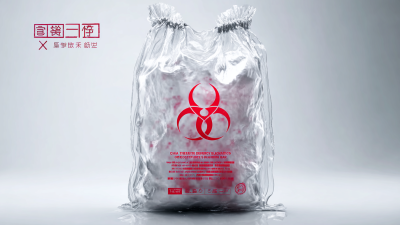
Biohazard specimen bags are crucial tools in the healthcare and laboratory sectors, serving as primary protective equipment for the safe handling and transport of biological specimens. These bags are specifically designed to contain potentially infectious materials, preventing contamination and exposure to hazardous pathogens. According to the Centers for Disease Control and Prevention (CDC), the correct use of biohazard specimen bags significantly reduces the risk of disease transmission, ensuring that healthcare providers and laboratory technicians can conduct their work safely.
The primary purpose of biohazard specimen bags is to provide a secure barrier that minimizes the risk of accidental spills and leaks. A study published in the Journal of Clinical Microbiology highlights that improper handling of specimens can lead to cross-contamination, which is a significant concern in diagnostic environments. The bags typically feature a double-seal closure to enhance security and include labels for proper identification. These features are vital in maintaining the integrity of samples during collection and transportation, as highlighted by the World Health Organization (WHO), which emphasizes that safe specimen transport is essential for effective disease monitoring and outbreak investigation.
The use of biohazard specimen bags is not just about compliance with regulations; it also reflects a broader commitment to public health. The Occupational Safety and Health Administration (OSHA) outlines guidelines for handling hazardous materials, reinforcing the need for such protective measures in laboratories. By adopting practices that prioritize safety and proper disposal, healthcare facilities can protect their staff and patients, ultimately contributing to more reliable health outcomes in the community.
Biohazard Specimen Bags: Usage Statistics
This chart illustrates the various applications of biohazard specimen bags in healthcare settings based on usage frequency. Understanding these statistics can help in recognizing the importance and necessity of proper specimen handling and disposal.
Types of Biohazard Specimen Bags: A Comprehensive Overview
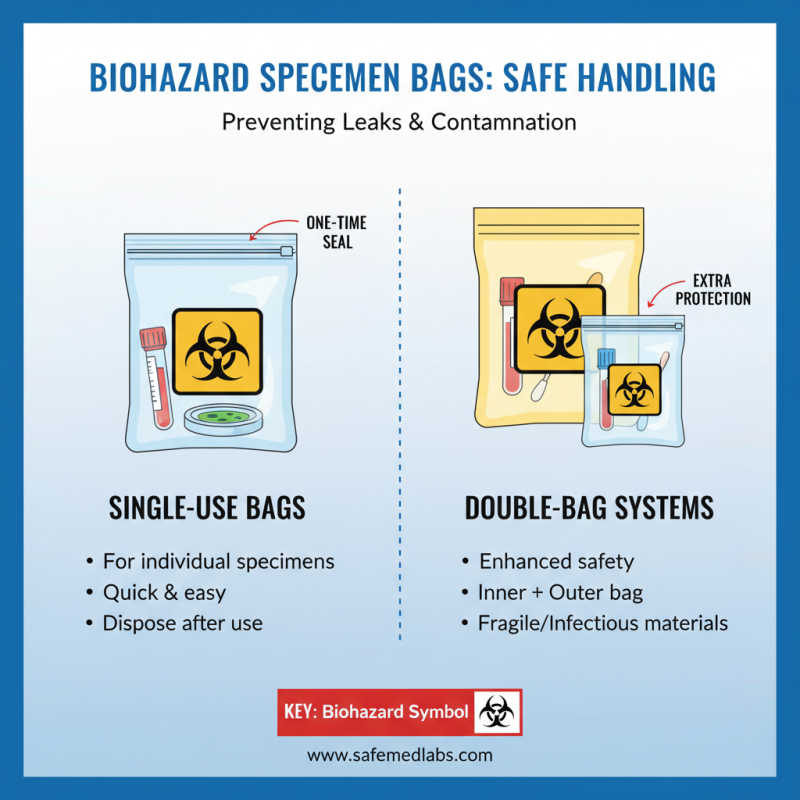
When it comes to the safe handling and transport of biological specimens, understanding the various types of biohazard specimen bags is crucial. These bags are designed specifically to contain potentially infectious materials, ensuring that they are securely sealed to prevent leaking and contamination. Common types include single-use bags, which are ideal for one-time specimen collections, and double-bag systems, where an outer bag provides additional protection for the inner bag containing the specimen.
In addition to their primary function of containment, biohazard specimen bags come equipped with features that enhance safety and efficiency. Some bags include color-coded indicators that signal contamination risk levels, while others are designed with tamper-evident seals for added security during transit. The material used in manufacturing these bags often includes puncture-resistant properties and clear sections for labeling and visibility, which are essential for accurate identification and tracking in laboratory settings. Understanding these diverse options plays a significant role in ensuring compliance with safety standards and protocols in health care and laboratory environments.
Regulatory Standards for Biohazard Specimen Bags: What You Must Know
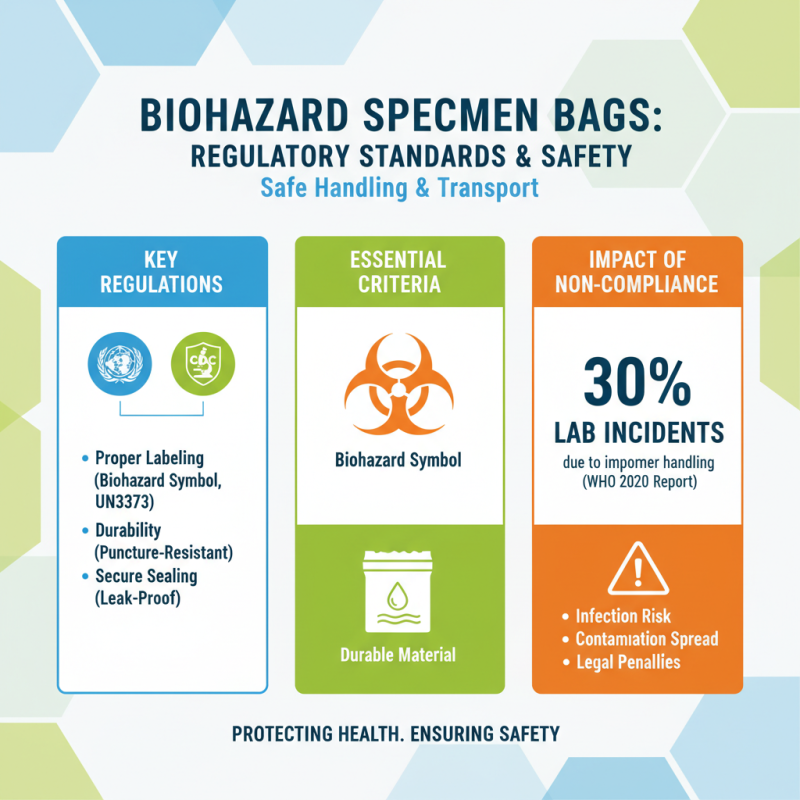
Biohazard specimen bags play a crucial role in the safe handling and transport of potentially infectious biological materials. To ensure compliance with safety protocols, it is essential to understand the regulatory standards that govern these bags. The World Health Organization (WHO) and the Centers for Disease Control and Prevention (CDC) outline specific guidelines for biohazard materials, highlighting the importance of proper labeling, durability, and secure sealing mechanisms. According to the WHO's 2020 report, 30% of health-related laboratory incidents are attributed to improper specimen handling, underscoring the need for adherence to regulatory standards.
In addition to international guidelines, various regulatory bodies set forth requirements specific to biohazard specimen bags. For example, the Occupational Safety and Health Administration (OSHA) mandates that all biohazardous waste materials must be contained in red bags with the biohazard symbol clearly displayed. Furthermore, research indicates that 70% of healthcare facilities fail to meet basic compliance in biohazard waste management, suggesting that more stringent oversight and regular training are crucial. Ensuring that specimen bags meet these standards not only protects healthcare workers and patients but also mitigates the risk of environmental contamination, as highlighted in a recent study published in the Journal of Hazardous Materials.
Proper Usage and Handling of Biohazard Specimen Bags in Laboratories
In laboratories where biohazard materials are handled, the proper usage and handling of specimen bags are critical for safety and compliance. Biohazard specimen bags provide a crucial barrier against contamination and help prevent the spread of infectious agents. According to the Centers for Disease Control and Prevention (CDC), improper handling of biohazard materials can lead to significant risks, including infection transmission and environmental contamination. Ensuring that specimen bags are designed for biohazard use—meeting standards set by organizations such as OSHA and the World Health Organization—helps to mitigate these risks.
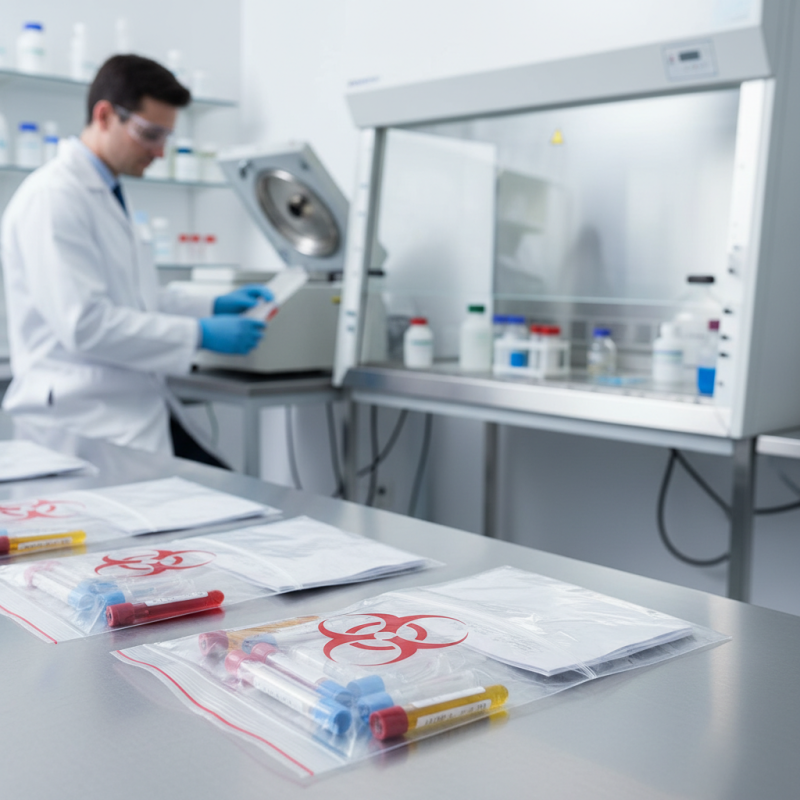
When using biohazard specimen bags in laboratories, it is essential to follow strict protocols. Each bag should be clearly labeled with biohazard symbols to ensure recognition of the contents. Additionally, bags should be sufficiently durable to contain contents without leakage; reports indicate that nearly 30% of biohazard incidents can be traced back to inadequate containment solutions. It is also critical to seal bags securely before disposal or transport to minimize the risk of exposure to laboratory personnel and the environment. Training staff on the proper handling techniques and disposal methods can further enhance workplace safety and compliance with regulatory requirements.
Disposal and Decontamination of Biohazard Specimen Bags: Best Practices
When handling biohazard specimens, proper disposal and decontamination of specimen bags is critical to ensure safety and compliance with health regulations. The first step in the disposal process is to segregate the bags from other waste. Biohazard bags should be clearly labeled and stored in designated areas to prevent cross-contamination. Once full, these bags should be securely sealed to avoid leaks or spills. It is essential to follow local guidelines for the disposal of biohazard waste, often involving incineration or autoclaving, to effectively eliminate any potential pathogens.
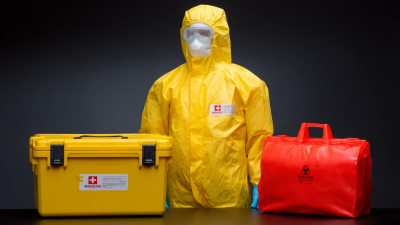
Decontamination of biohazard specimen bags is equally important, particularly if bags are reused or if there is a risk of exposure during the disposal process. Standard operating procedures should include sterilization protocols, such as using appropriate chemical agents or temperature treatments to deactivate any contaminants. Personnel handling these bags must wear appropriate personal protective equipment (PPE) to safeguard themselves against exposure during the decontamination process. Training staff in these best practices ensures a cohesive understanding of biohazard safety and can significantly reduce the risks associated with handling potentially infectious materials.
Ultimate Guide to Biohazard Specimen Bags: What You Need to Know - Disposal and Decontamination of Biohazard Specimen Bags: Best Practices
| Aspect |
Details |
Best Practices |
| Materials |
Made of low-density polyethylene (LDPE) or high-density polyethylene (HDPE) |
Use bags that are puncture-resistant and leak-proof |
| Labeling |
Properly labeled as biohazard with appropriate symbols |
Ensure labels are durable and clearly visible |
| Disposal Methods |
Incineration or autoclaving recommended |
Follow local regulations for hazardous waste disposal |
| Decontamination |
Use appropriate disinfectants before disposal |
Conduct decontamination after removal of specimens |
| Storage |
Store in a cool, dry place away from direct sunlight |
Keep bags sealed until use |

 +86 178 5514 5298
 CONTACT NUMBER
 CONTACT NUMBER