What is a Biohazard Transport Bag and Its Importance in Safety Practices
In today's rapidly advancing health and safety landscape, the significance of proper containment and transportation of hazardous materials cannot be overstated. A biohazard transport bag plays a crucial role in minimizing the risk of exposure to infectious agents and ensuring the safety of healthcare professionals, patients, and the general public. According to the World Health Organization, approximately 15% of the world's population is at an increased risk of infection due to handling dangerous biological specimens. This alarming statistic highlights the necessity for stringent safety practices, including the use of specialized transport bags designed to contain and isolate contaminants.
Biohazard transport bags are specifically engineered to secure biohazardous materials during transit, preventing leakage and cross-contamination. The Centers for Disease Control and Prevention (CDC) emphasizes that the use of appropriate containment systems can significantly reduce the risk of laboratory-acquired infections. For example, proper use of biohazard transport bags can mitigate the spread of pathogens like HIV, Hepatitis B, and other infectious agents that pose serious health risks. Thus, their importance in safety protocols extends beyond mere compliance with regulations; they are a critical element in safeguarding public health and maintaining safety standards in medical and laboratory environments.
In conclusion, integrating biohazard transport bags into safety practices is not only a regulatory requirement but also a moral obligation for organizations handling potentially dangerous materials. By utilizing these specialized containers, healthcare entities can enhance their protective measures, ensuring the integrity of biological specimens and the safety of all individuals involved in the handling and transportation process.
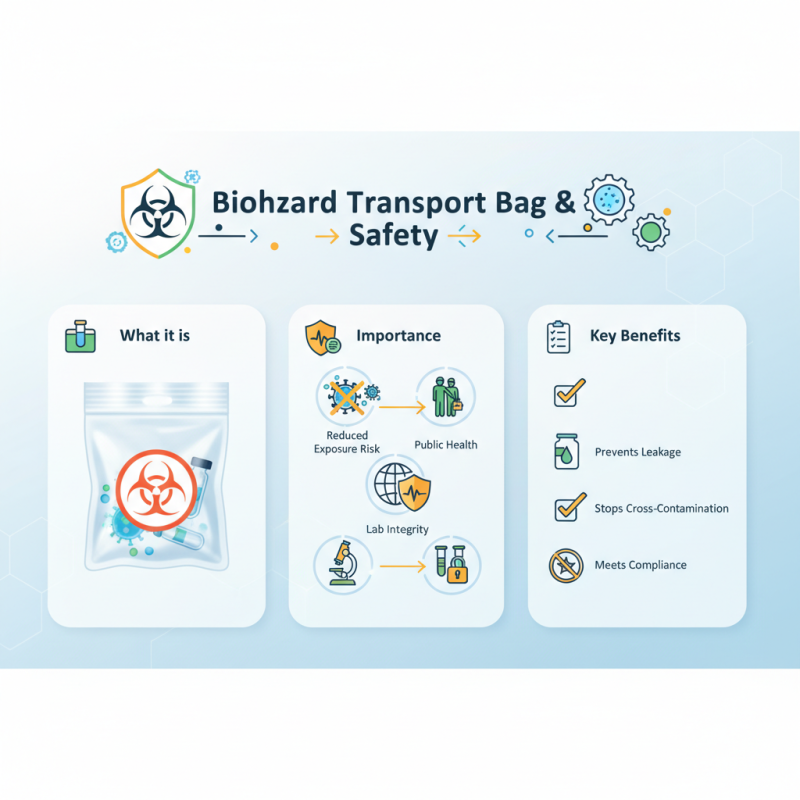
What is a Biohazard Transport Bag?
A biohazard transport bag is a specialized container designed to safely transport biological specimens or potentially hazardous materials. These bags are typically made from durable, puncture-resistant materials and feature warning symbols to indicate the presence of biohazardous substances. The primary purpose of a biohazard transport bag is to prevent contamination and to protect users from exposure to infectious agents, chemicals, or other hazardous materials during handling and transportation.
In addition to their protective qualities, biohazard transport bags are often designed with secure closures to minimize the risk of leaks. They may come in various sizes and shapes to accommodate different types of specimens or materials, ensuring that the contents remain intact and safely contained throughout the transport process. Proper labeling and compliance with safety standards are crucial, as these practices help ensure the safety of health professionals and the public alike, while also facilitating the effective disposal of hazardous waste. The use of biohazard transport bags is an essential component of safety practices in laboratories, hospitals, and any environment where potentially harmful biological materials are present.
What is a Biohazard Transport Bag and Its Importance in Safety Practices
| Dimension |
Description |
Importance |
| Material |
Tough, puncture-resistant plastic |
Prevents leakage and protects handlers |
| Color |
Typically bright yellow or red |
Easily identifiable as biohazard waste |
| Closure Type |
Heat-sealed or zipper closure |
Ensures secure containment of materials |
| Size Options |
Available in various sizes |
Flexibility to contain different volumes of waste |
| Labeling |
Clearly marked with biohazard symbol |
Enhances safety by alerting staff to hazards |
Key Features of Biohazard Transport Bags
Biohazard transport bags are essential tools in ensuring safety practices across various industries, particularly in healthcare and laboratory environments. These specialized bags are designed to contain and transport biological materials that may pose health risks. A key feature of biohazard transport bags is their robust construction, often made of puncture-resistant materials to prevent leaks and spills. According to the Occupational Safety and Health Administration (OSHA), proper containment during transport can drastically reduce the risk of exposure to hazardous substances, with studies showing a 65% decrease in incidents when using compliant transport solutions.
Another crucial characteristic is the clear labeling system that identifies the contents as biohazardous. This ensures that individuals handling these bags are immediately aware of the potential risks involved. A report by the Centers for Disease Control and Prevention (CDC) highlights that clear communication regarding hazardous materials is vital in preventing workplace accidents and promoting safety culture. Additionally, biohazard transport bags often feature double-sealed closures that provide an extra layer of security, significantly mitigating contamination risks during transit. With the increasing emphasis on safety regulations, utilizing biohazard transport bags has become a non-negotiable practice in safeguarding public health and maintaining compliance with stringent safety standards.
The Role of Biohazard Transport Bags in Safety Practices
Biohazard transport bags play a crucial role in maintaining safety practices, particularly in medical and laboratory environments where the handling of potentially infectious materials is routine. These specialized bags are designed to prevent contamination and ensure the safe transport of biological samples, pathogens, or any materials that could pose a risk to public health. Their construction typically includes puncture-resistant materials and biohazard symbols to clearly indicate the presence of hazardous contents, which serves to alert personnel to handle them with care.
In addition to physical protection, biohazard transport bags help establish protocols for safe disposal and management of biohazardous waste. By facilitating the proper segregation of hazardous materials from other waste streams, these bags support compliance with health and safety regulations. Moreover, they enhance the efficacy of infection control measures by minimizing the risk of exposure to pathogens during transportation. The implementation of biohazard transport bags is essential in safeguarding the health of healthcare workers, laboratory personnel, and the wider community, thereby reinforcing a culture of safety across various sectors.
Importance of Biohazard Transport Bags in Safety Practices
Regulatory Standards for Biohazard Transport Bags
Biohazard transport bags are critical components in the safe handling and transportation of potentially hazardous materials, including biological specimens, infectious waste, and other contaminants. Regulatory standards play an essential role in the design and use of these bags, ensuring that they meet specific safety requirements aimed at protecting public health and the environment. Organizations such as the Centers for Disease Control and Prevention (CDC) and the Occupational Safety and Health Administration (OSHA) provide guidelines that dictate how biohazard materials should be packaged, labeled, and transported.
To ensure compliance with regulatory standards, it is vital that users select biohazard transport bags that have been tested and certified to meet these requirements. Look for bags that offer clear labeling, puncture resistance, and adequate thickness to prevent leaks. Additionally, proper training for personnel handling these materials is necessary to maximize safety and minimize risks associated with exposure.
**Tips:** Always check the specifications of the biohazard transport bags to ensure they meet local and national regulations. Implement regular training sessions for staff on the proper handling and disposal of biohazard materials, as well as the correct use of transport bags. Maintaining an up-to-date inventory will also help ensure that you are using bags that comply with current safety standards.
Best Practices for Using Biohazard Transport Bags
Biohazard transport bags are essential tools in the healthcare and laboratory sectors, designed to safely contain and transport biohazardous materials such as infectious specimens or waste. Best practices for using these bags are critical to minimize risk and enhance safety protocols. According to the Centers for Disease Control and Prevention (CDC), proper handling and transport of biohazard materials can significantly reduce the likelihood of exposure to pathogens, thereby safeguarding both personnel and the environment.
One foundational practice is to ensure that biohazard transport bags are clearly marked and color-coded. The National Institute for Occupational Safety and Health (NIOSH) emphasizes that labeled bags help in the swift identification of hazardous contents, reducing the chances of accidental exposure. Additionally, double-bagging specimens is recommended, particularly when dealing with liquids, as this not only prevents leaks but also offers an extra layer of protection during transport. Maintaining appropriate temperature control during transit is also crucial; various reports indicate that temperature fluctuations can compromise the viability of specimens, impacting subsequent testing and patient outcomes.
It is also important to train staff on the correct procedures for sealing and handling these bags. Studies suggest that organizations that implement comprehensive training programs on biohazard safety practices can reduce incidents of contamination by up to 45%. Regular audits and updates to protocols ensure compliance with safety standards, fostering a culture of safety within medical and research environments.

 +86 178 5514 5298
 CONTACT NUMBER
 CONTACT NUMBER