How to Choose the Best 95kpa Specimen Transport Bag for Safe Transport
In the realm of biological sample management, the importance of utilizing appropriate specimen transport solutions cannot be overstated. Effective transportation of specimens, especially in laboratory settings, is crucial to ensure analytical integrity and reliability of results. According to a recent industry report by the International Society for Biological Sample Transport (ISBST), around 35% of sample degradation occurs during transportation, emphasizing the necessity for optimal packaging solutions like the 95kpa specimen transport bag. These bags are specifically designed to maintain the required pressure conditions and protect samples from environmental factors that may alter their quality.
Choosing the right 95kpa specimen transport bag involves understanding the specific requirements of the specimens being transported, as well as compliance with regulatory standards. With a significant increase in the demand for safe transportation of biological samples, it is essential to consider various factors such as bag durability, temperature control, and leak-proof capabilities. Research indicates that approximately 40% of laboratories reported issues related to leaks and spills during transport, which can jeopardize not only the sample quality but also laboratory safety. Therefore, investing in high-quality specimen transport solutions is imperative for achieving reliable diagnostic outcomes.

Factors to Consider When Selecting a 95kpa Specimen Transport Bag
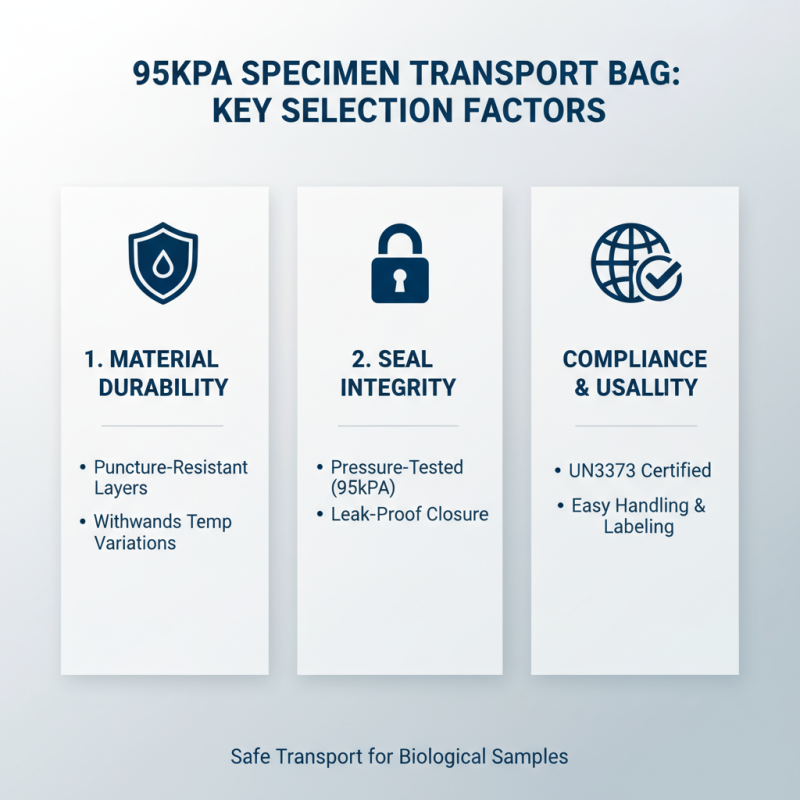
When selecting a 95kpa specimen transport bag, there are several critical factors to consider ensuring the safe transport of specimens. The first important aspect is the bag's material. It should be constructed from durable, puncture-resistant materials to prevent leaks and contamination. Bags that are made with multiple layers can provide added protection, maintaining the integrity of the specimens during transit. Additionally, the bag should be able to withstand varying temperatures and conditions, which is especially crucial for biological samples.
Another key consideration is the size and capacity of the transport bag. The bag should be spacious enough to accommodate the specimens, including any necessary cooling elements or absorbent materials, while also being compact enough to fit securely into transport containers. Features such as easy-seal closures and secure fastening mechanisms are essential to ensure that the contents remain protected throughout the journey. Lastly, clarity in labeling and opacity can play a role in compliance with transport regulations, making it easier to identify the contents without compromising their confidentiality.
Understanding the Importance of Pressure Ratings in Transport Bags
When selecting a specimen transport bag, understanding pressure ratings is crucial to ensuring the safety and integrity of the materials being transported. A pressure rating of 95kPa indicates the maximum pressure the bag can withstand without compromising its structure. This rating is particularly important when transporting biological or sensitive specimens, as inadequate pressure control can lead to leaks, contamination, and potential loss of valuable samples. Choosing a bag with the appropriate pressure rating helps to mitigate these risks and ensures compliance with safety regulations.
Moreover, the importance of pressure ratings extends beyond mere safety; it also affects the reliability of the transportation process. Specimens can be vulnerable to changes in temperature and pressure, especially in varied environmental conditions. A bag designed to handle a pressure rating of 95kPa ensures that the internal environment remains stable, reducing the likelihood of specimen degradation during transport. Therefore, understanding the implications of pressure ratings allows for better decision-making when it comes to selecting a transport bag that meets specific needs while prioritizing specimen integrity.
Pressure Ratings of Specimen Transport Bags
This chart displays the pressure ratings of different specimen transport bags, highlighting the importance of selecting bags with appropriate pressure ratings for safe transport. Understanding these ratings can help prevent specimen damage during transit.
Materials Used in 95kpa Transport Bags and Their Safety Characteristics
When selecting the best 95kPa specimen transport bag, the materials used play a crucial role in ensuring the safety and integrity of the specimens being transported. Common materials employed in these transport bags include high-density polyethylene (HDPE) and polypropylene, both of which exhibit excellent puncture resistance and durability. According to industry standards, HDPE bags provide a high tensile strength and are less prone to tears, making them ideal for transporting biological specimens that require secure containment.
In addition to the physical properties of the materials, their chemical resistance is also essential. The ability of the bag to withstand exposure to various chemicals without degrading is vital for maintaining specimen integrity. Reports indicate that polypropylene bags have a superior barrier against moisture and various chemicals, ensuring that samples remain uncontaminated during transport. Furthermore, the use of specialized sealing techniques, such as heat sealing or zipper closures, enhances the safety characteristics, minimizing the risk of leaks and contamination.
Safety characteristics also extend to the bags’ compliance with health and safety regulations. Industry research illustrates that materials chosen for 95kPa transport bags undergo rigorous testing to meet or exceed the safety requirements set by agencies such as the Occupational Safety and Health Administration (OSHA) and the World Health Organization (WHO). By choosing transport bags made from these reliable materials, laboratories can ensure that their specimens are transported safely and securely, thereby adhering to best practices in specimen handling and transport.
Compliance Standards for Medical Specimen Transport in the Industry
In the medical industry, compliance standards for specimen transport are critical to ensure both safety and integrity. According to a report by the Clinical Laboratory Standards Institute (CLSI), approximately 16% of all clinical samples fail to meet acceptable quality standards due to improper handling during transport. To combat this issue, agencies such as the U.S. Food and Drug Administration (FDA) and the World Health Organization (WHO) have established rigorous guidelines outlining the necessary specifications for specimen transport bags to ensure they maintain the required environmental conditions.
To adhere to these standards, it is essential to select transport bags that meet the standard pressure rating of 95 kPa. These bags must provide adequate cushioning and insulation to prevent damage from temperature fluctuations while also being robust enough to withstand the rigors of transportation. The American National Standards Institute (ANSI) also underscores the importance of labeling and tracking systems to enhance accountability and minimize the risk of sample contamination.
Tip: When selecting a specimen transport bag, ensure it has an adequate sealing mechanism to prevent leaks. Look for additional features such as biohazard labeling, which not only helps in compliance but also protects the personnel handling these specimens.
Tip: Regular training for personnel on best practices for specimen handling and transport is vital. Despite using high-quality bags, human error remains a significant factor in specimen integrity. Emphasizing proper procedures can help mitigate risks associated with transport.
Best Practices for Ensuring Specimen Integrity During Transport
When transporting specimens, maintaining their integrity is crucial for accurate analysis and outcomes. Utilizing a 95kpa specimen transport bag is one effective way to ensure that samples remain uncontaminated and secure during transit. Proper handling, storage, and transportation practices can greatly enhance the reliability of test results.
One important tip is to always label specimens clearly and include relevant information such as the sample type, date, and time of collection. This helps to avoid mix-ups and ensures that samples are handled appropriately throughout the transport process. Additionally, using insulated bags or those with temperature control features can protect sensitive specimens from temperature fluctuations that may compromise their integrity.
Another best practice is to minimize the time specimens spend outside of controlled environments. Prepare samples for transport as soon as they are collected and aim to deliver them to the laboratory without unnecessary delays. Moreover, ensure that the transport bags are sealed securely to prevent leaks and contamination. Implementing these strategies can help maintain the quality of specimens and facilitate accurate laboratory analysis.
How to Choose the Best 95kpa Specimen Transport Bag for Safe Transport - Best Practices for Ensuring Specimen Integrity During Transport
| Feature |
Description |
Importance |
| Material |
High-density polyethylene or similar for durability |
Prevents tears and enhances protection |
| Sealing Mechanism |
Zip lock or adhesive seal for secure closure |
Ensures specimens are contained and uncontaminated |
| Size |
Variety of sizes to accommodate different specimen types |
Facilitates efficient packaging for diverse samples |
| Labeling Area |
Space for clear labeling of specimens |
Prevents errors in specimen identification |
| Temperature Control |
Insulated options available |
Maintains specimen stability during transport |
| Compliance Standards |
Meets regulatory requirements for safety |
Ensures legal and health compliance during transport |

 +86 178 5514 5298
 CONTACT NUMBER
 CONTACT NUMBER