How to Choose the Best Specimen Pad for Your Laboratory Needs
In the realm of laboratory practices, the proper selection of equipment and supplies is crucial to ensure accurate results and efficient workflows. Among these essentials, the specimen pad plays a pivotal role in various applications, from biological studies to clinical diagnostics. Research indicates that the global laboratory supplies market is expected to reach approximately $38.3 billion by 2027, with a significant portion attributed to consumable items like specimen pads, which directly impact the reliability of laboratory findings (MarketsandMarkets, 2021).
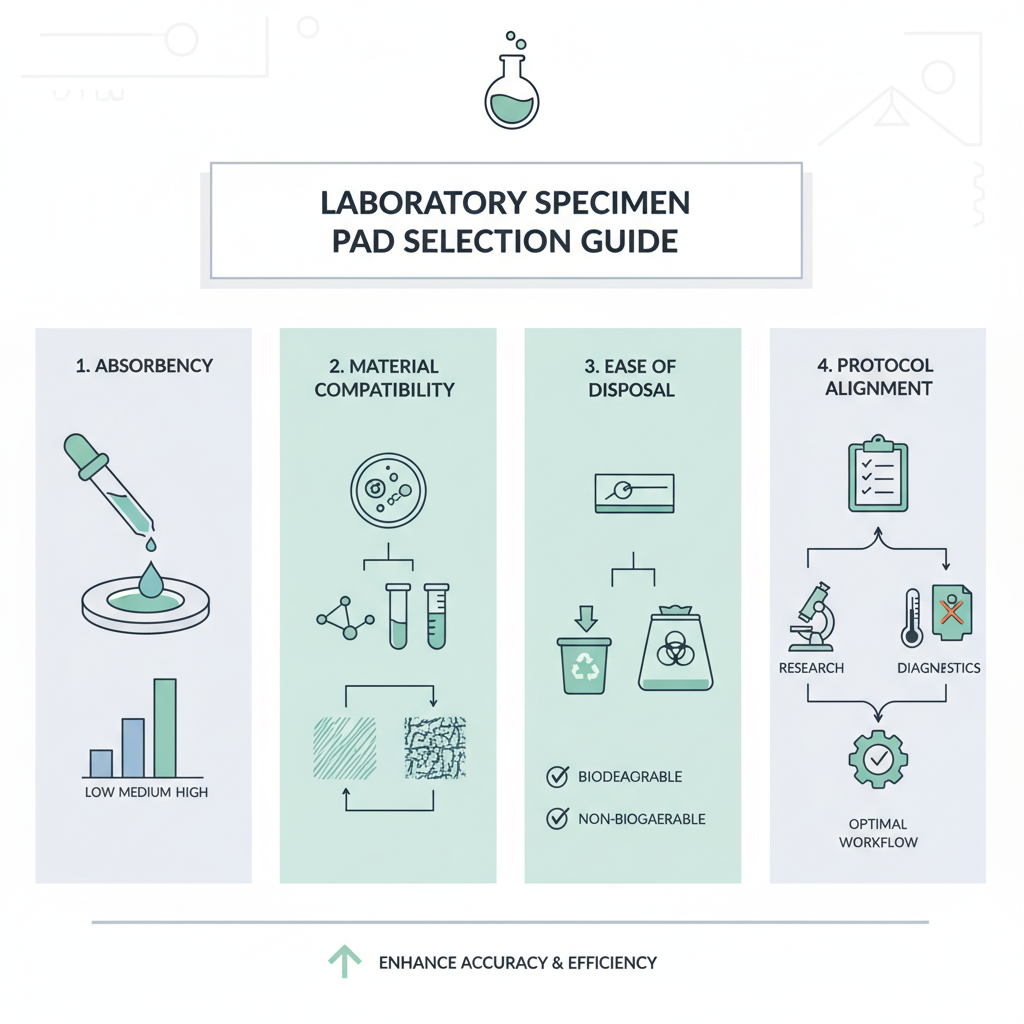
Choosing the right specimen pad is not merely about functionality; it requires a comprehensive understanding of the specific requirements of your laboratory. Factors such as absorbency, material compatibility, and ease of disposal must be considered, as they can influence both the integrity of the specimen and the overall efficiency of laboratory operations. A report by Grand View Research (2022) emphasizes that over 70% of laboratories prioritize the quality and performance of specimen handling materials to achieve optimal results, underscoring the importance of informed choices in this critical area.
Ultimately, the best specimen pad for your laboratory needs will align with your specific protocols and objectives, enhancing both workflow and accuracy. In this guide, we will explore essential criteria to evaluate when selecting a specimen pad, ensuring that your laboratory is equipped with the best tools for success.
Understanding the Different Types of Specimen Pads Available
When selecting a specimen pad for laboratory usage, it's essential to understand the various types available and their specific applications. Broadly, specimen pads can be categorized into absorbent and non-absorbent types. Absorbent pads are designed to soak up fluids, making them ideal for biological samples such as blood, urine, or other liquids. They typically feature a layer of highly absorbent material that helps prevent leakage and contamination, ensuring accurate testing and analysis.
On the other hand, non-absorbent specimen pads are used for dry specimens or those where moisture control is crucial. These pads are often made from materials that impede absorption, providing a stable surface for cell cultures or tissue samples. When choosing between these options, consider the nature of the samples you handle and the tests you plan to conduct. Ultimately, selecting the right specimen pad can significantly enhance your laboratory's efficiency and accuracy in sample collection and analysis.
How to Choose the Best Specimen Pad for Your Laboratory Needs - Understanding the Different Types of Specimen Pads Available
| Specimen Pad Type |
Material |
Absorbency Level |
Sizes Available |
Applications |
| Standard Specimen Pad |
Polypropylene |
Medium |
4"x4", 6"x6" |
General laboratory use |
| High Absorbency Pad |
Cellulose |
High |
8"x8", 12"x12" |
Fluid collection, special applications |
| Low Adhesion Pad |
Polyester |
Low |
5"x5", 10"x10" |
Tissue samples, sensitive specimens |
| Multi-Layer Pad |
Non-woven fabric |
Variable |
6"x6", 12"x12" |
Biological assays, sample analysis |
| Anti-Static Pad |
Conductive materials |
Medium |
4"x4", 8"x8" |
Electronics labs, preventing static |
Key Factors to Consider When Selecting a Specimen Pad
When selecting a specimen pad for your laboratory needs, several key factors should be taken into account to ensure optimal performance and reliability. First, consider the material composition of the specimen pad. It should be made from high-quality, absorbent materials that minimize contamination and ensure accurate test results. Additionally, the pad should be designed to withstand various chemicals and temperatures, depending on your specific laboratory applications.
Another essential factor is the size and thickness of the specimen pad. Ensure that the dimensions are appropriate for your laboratory equipment and specimen types. A thicker pad may provide better absorbency and protection for underlying surfaces, but it should not impede the ease of handling or visibility of specimens. Furthermore, investigate the availability of different configurations, such as adhesive-backed pads, which can enhance stability during experiments. By taking these aspects into account, you can choose a specimen pad that meets your laboratory’s requirements effectively.
Evaluating the Material Quality and Durability of Specimen Pads
When selecting the best specimen pad for laboratory applications, one of the most critical aspects to evaluate is the material quality. High-quality materials enhance the pad's performance by ensuring it is absorbent, chemically resistant, and capable of retaining specimen integrity. Pads made from advanced polymers or cellulose may offer superior absorption and durability compared to standard options. It is also essential to consider if the material can withstand various lab conditions, such as exposure to chemicals or extreme temperatures, without degrading.
Durability is another paramount factor in the selection process. A specimen pad must withstand frequent use while maintaining its structural integrity. Look for pads that are puncture-resistant and have a high tensile strength, as these features can significantly prolong the life of the product. The thickness and layering of the pad can also impact its durability; thicker pads are generally more robust and can handle larger volumes of liquid without leaking. Ultimately, investing in high-quality, durable specimen pads can result in reliable performance and savings over time, making them an essential component in any laboratory setup.
Material Quality and Durability Evaluation of Specimen Pads
This chart illustrates the evaluation of material quality and durability for different specimen pads based on various attributes. The ratings are on a scale from 1 to 10, where 10 represents the highest quality and durability.
Assessing Compatibility with Laboratory Equipment and Procedures
Choosing the right specimen pad for your laboratory starts with assessing its compatibility with your existing equipment and procedures. Different laboratories have unique workflows, and the specimen pad must seamlessly integrate into these processes to ensure efficiency.
Consider the types of equipment you use, such as microscopes, centrifuges, or analyzers, and verify that the pad can withstand specific conditions like temperature, humidity, and chemical exposure. Compatibility ensures that the specimen collection method produces reliable results without compromising the integrity of samples.
Additionally, evaluate how the specimen pad interacts with your established protocols. If your lab relies on automated systems for processing samples, the pad design should accommodate those systems to minimize handling errors.
Analyze whether the pad's material and features align with your procedures, such as the need for easy fluid containment or specific diagnostic tests. By focusing on these compatibility aspects, you can select a specimen pad that not only meets the technical requirements but also enhances overall workflow and productivity in your laboratory.
Cost Considerations and Budgeting for Specimen Pads
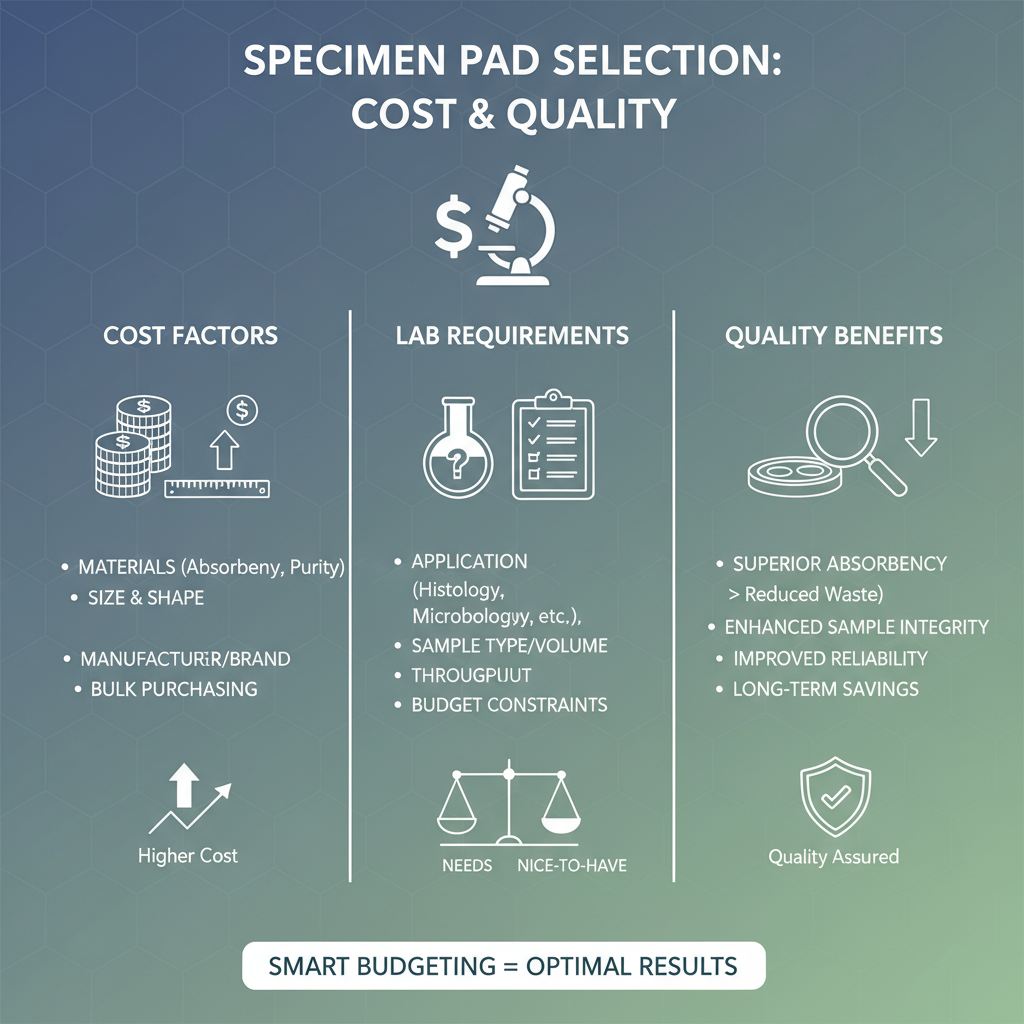
When selecting a specimen pad for laboratory use,
cost considerations are crucial to ensure effective budgeting
without compromising on quality. Specimen pads can vary significantly in price based on materials, size,
and intended application. It's essential to evaluate the specific requirements
of your laboratory, as this will help in determining the features that are necessary and those that are not.
For example, high-quality absorbent materials may come at a premium, but they often provide superior performance,
potentially reducing waste and enhancing results in the long run.
Budgeting for specimen pads involves not only the initial purchase cost but also the ongoing expenses associated
with their use. Consider factors such as the frequency of use,
shelf life, and potential for recycling or repurposing old pads. Long-term contracts or bulk purchasing can
often result in reduced costs per unit, making it beneficial
to analyze both short-term and long-term financial impacts.
Additionally, exploring alternative suppliers and comparing prices can help laboratories find the
best value while ensuring they meet their operational
needs effectively.

 +86 178 5514 5298
 CONTACT NUMBER
 CONTACT NUMBER