How to Choose the Best 95kpa Specimen Transport Bag?
Choosing the right 95kpa specimen transport bag is crucial for safe specimen delivery. These bags protect samples from contamination and physical damage. Proper selection ensures accuracy in testing and diagnosis.
When selecting a 95kpa specimen transport bag, consider several factors. The material, for instance, must withstand varying temperatures and be puncture-resistant. Look for bags with secure seals to prevent leaks. Dimensions matter too; they should fit your specimens comfortably without excessive movement.
However, this process is not always straightforward. You might find bags that meet specifications but lack reliability. Testing multiple options can be time-consuming. Reflecting on your choices is essential. Make sure to assess the durability and functionality of each bag you consider.
Understanding the Importance of 95kpa Specimen Transport Bags
When transporting medical specimens, the choice of a proper transport bag is crucial. The 95kpa specimen transport bag is designed to maintain the integrity of samples during transit. This type of bag offers optimal pressure stability, which is essential for sensitive biological materials. According to the CDC, improper specimen packaging can lead to a 20% increase in the risk of contamination or loss.
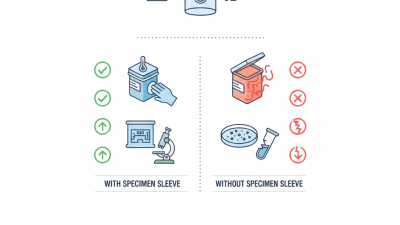
Using a 95kpa specimen transport bag helps reduce this risk. These bags are not only sealed and leak-proof but also designed to withstand rough handling. In a study by the World Health Organization, 15% of specimens were damaged during transport due to inadequate packaging. This statistic highlights the importance of using quality transport bags.
**Tips:** Choose bags with clear labeling for easy identification. Double-bagging specimens can provide an extra layer of protection. Regularly inspect transport bags for wear and tear, as even tiny imperfections can jeopardize specimen safety. Remember, a small oversight could lead to significant consequences in sample viability.
Specifications Comparison of 95kpa Specimen Transport Bags
This chart illustrates the importance of various specifications to consider when choosing a 95kpa specimen transport bag. Each feature is rated on a scale from 1 to 10 based on its significance in ensuring the safe and effective transport of specimens.
Key Features to Consider When Selecting a Transport Bag
When selecting a 95kPa specimen transport bag, several key features are essential for ensuring safe and effective transport. Durability is crucial; bags should be made of high-quality materials resistant to puncturing or tearing. According to a report by the International Association of Transportation and Logistics, about 30% of transportation failures result from inadequate packaging. This figure highlights the importance of robust construction in specimen bags.
Another important feature to consider is temperature control. Some specimens require specific temperature ranges for preservation. A study published in the Journal of Clinical Pathology noted that improper temperature management can compromise sample integrity. Choosing a bag with built-in insulation can significantly enhance the preservation of sensitive specimens during transit.
Sealing mechanisms are also vital. A secure seal prevents leakage and contamination, protecting both the specimen and the handler. However, a perfect seal is not guaranteed. The National Institutes of Health found that improper sealing contributed to about 15% of specimen transport issues. It's important to regularly evaluate the sealing method you choose. Adapting to evolving standards can help minimize these risks and ensure reliable transport.
Material Choices and Their Impact on Specimen Safety
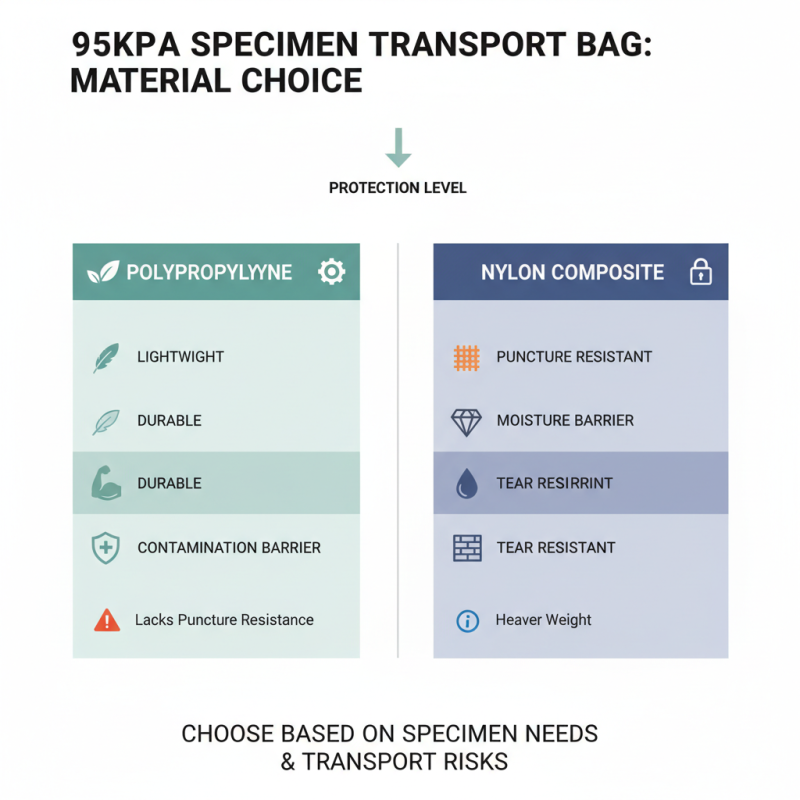
When selecting a 95kPa specimen transport bag, material choice plays a crucial role. Various materials offer different levels of protection for specimens. For instance, some bags are crafted from polypropylene, which is lightweight yet durable. This material can prevent external contamination effectively. However, it may lack some puncture resistance.
Another option is polyethylene. It provides a good barrier against moisture but may not hold up in extreme temperatures. If the specimens are sensitive to temperature fluctuations, that could be an issue. Consideration of the environment during transport is key. There are times when the bags may not fulfill their purpose as intended.
The strength of the seams is equally vital. They can fail under pressure if not properly constructed. Even the color of the bag can impact visibility and safety. A darker bag might obscure the contents. This raises questions about whether we prioritize aesthetics over functionality. In the end, testing various materials for real-life scenarios can shed light on their performance.
Evaluating Size and Capacity for Different Specimen Types
When selecting a 95kpa specimen transport bag, size and capacity are key. Different specimen types require different handling. For liquids, a larger bag may be necessary to avoid spills. Solid specimens often fit snugly in smaller bags. The goal is to minimize movement during transport.
Additionally, thickness matters. Thicker bags can provide better durability for heavier specimens. Check the bag's seams to ensure they can withstand pressure without tearing. Consider labeling space as well. Clear labeling can prevent mix-ups during transport.
There’s room for error in choosing the right bag. A bag that’s too small can lead to contamination. A bag that’s too large can cause unnecessary shifting. Take time to assess the specifics of what needs to be transported. That careful consideration can make all the difference in safe specimen handling.
How to Choose the Best 95kpa Specimen Transport Bag? - Evaluating Size and Capacity for Different Specimen Types
| Specimen Type |
Recommended Bag Size (L x W x H in cm) |
Capacity (Liters) |
Material Type |
Seal Type |
| Blood Samples |
30 x 20 x 5 |
3.0 |
Polypropylene |
Zip Seal |
| Tissue Samples |
25 x 15 x 5 |
2.0 |
Nylon |
Heat Seal |
| Urine Samples |
20 x 15 x 5 |
1.5 |
Polyethylene |
Twist Tie |
| Bacterial Cultures |
35 x 25 x 10 |
8.0 |
Polypropylene |
Compression Seal |
| Fluid Samples |
30 x 20 x 15 |
9.0 |
Nylon |
Zip Seal |
Regulatory Compliance and Standards for Transport Bags
When selecting a 95 kPa specimen transport bag, understanding regulatory compliance is crucial. Different sectors require different standards. For example, healthcare facilities follow strict guidelines to ensure safe specimen transportation. These regulations help minimize contamination and protect handling personnel.
Consider these tips: Always check for compliance certifications. Look for bags that have undergone rigorous testing. Labels should clearly state the specifications, such as pressure ratings. However, not all bags will be perfect. Some may not meet all requirements in every situation. Reflect on what specifications are essential for your needs.
Safety features are also significant. A good bag should be durable and resistant to tears. Ensure that the seals are reliable and can withstand transportation conditions. Think about where the bags will be used. Will they be exposed to heat, cold, or moisture? These factors can affect bag performance. A bag’s design is as important as its materials. It may not always meet the ideal criteria, but it should strive for reliability.

 +86 178 5514 5298
 CONTACT NUMBER
 CONTACT NUMBER