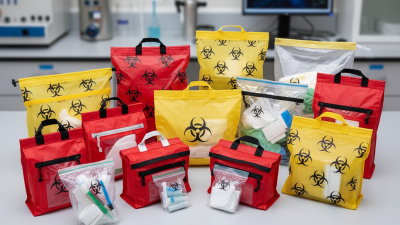
How to Choose the Best Biohazard Transport Bag for Safe Containment
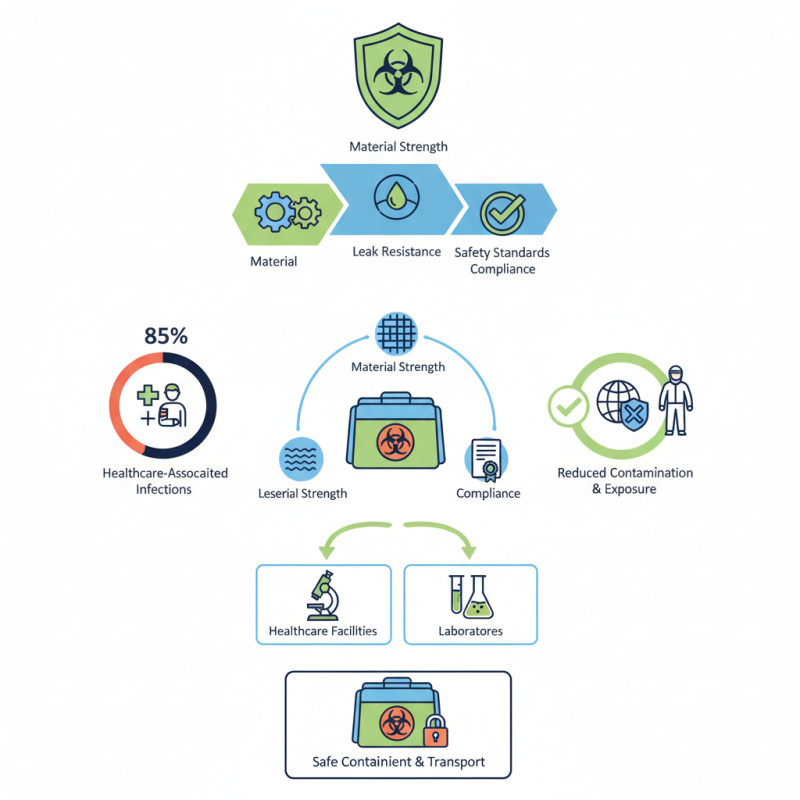
In an era where safety and hygiene are paramount, the selection of a biohazard transport bag is crucial for the secure containment and transportation of hazardous materials. According to the Centers for Disease Control and Prevention (CDC), improper handling and transport of biohazardous waste can lead to severe health risks, not only for healthcare workers but also for the general public. Reports indicate that approximately 85% of healthcare-associated infections are linked to improper waste management practices, underscoring the need for appropriate containment solutions.
When considering the purchase of a biohazard transport bag, it becomes essential to evaluate specific features such as material strength, leak resistance, and compliance with safety standards. The World Health Organization (WHO) advocates for the use of specialized bags that meet stringent criteria to ensure biohazard materials are contained safely during transit. In addition, research has shown that using high-quality biohazard transport bags can significantly reduce environmental contamination and exposure risks, making it imperative for healthcare facilities and laboratories to invest in these essential tools for safety and compliance.
Understanding Biohazard Transport Bags and Their Importance
Biohazard transport bags are essential for the safe containment and handling of potentially hazardous materials. These bags are specifically designed to prevent leakage and contamination, ensuring that biological waste and samples are securely transported without posing a risk to public health or the environment. Understanding the significance of these bags begins with recognizing their role in various settings, such as hospitals, laboratories, and waste management facilities, where the safe transportation of infectious materials is crucial.
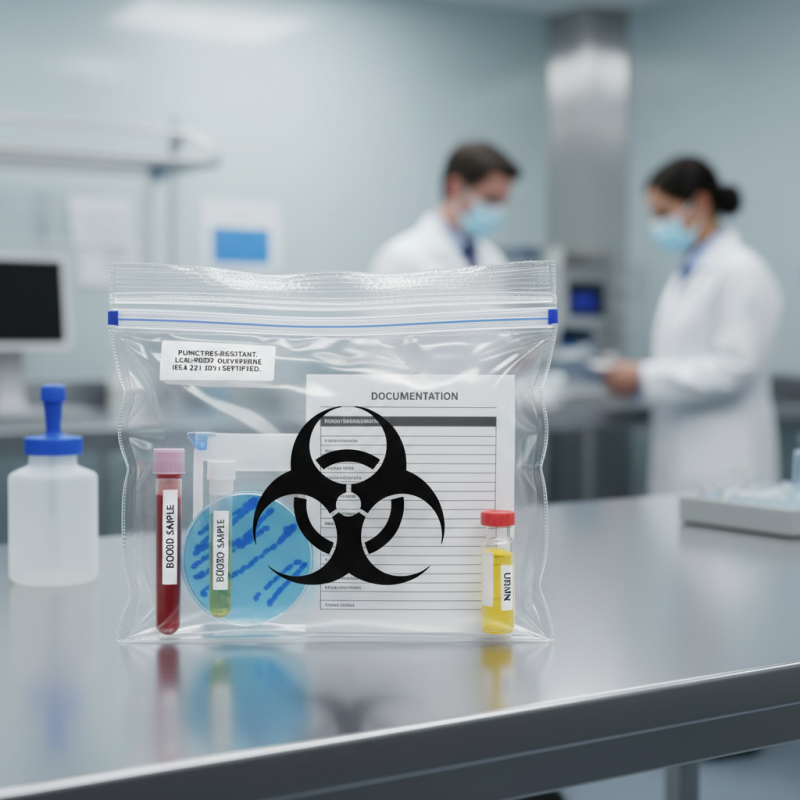
When selecting a biohazard transport bag, it’s important to consider its durability and the materials used in its construction. Look for bags that are puncture-resistant and leak-proof, as these features significantly reduce the risk of accidental spills. Additionally, color-coded bags can help in identifying the type of waste being contained, which further enhances safety protocols.
Tips: Always check for proper labeling that clearly indicates the bag’s biohazard nature. Educate staff on the importance of using these bags correctly to minimize risks. Regular training sessions can reinforce best practices in handling biohazard materials, ensuring compliance with safety standards.
Key Features to Look for in a Biohazard Transport Bag
When selecting the best biohazard transport bag for safe containment, several key features should be prioritized to ensure compliance with safety standards and effective protection against potential contaminants. Firstly, the material of the bag is critical; it should be puncture-resistant and leak-proof to prevent any spillage of hazardous materials. According to a 2021 report by the International Safety Equipment Association, bags made from high-density polyethylene are recommended for their durability and resistance to tearing, making them an ideal choice for transporting biohazardous specimens.
Another essential feature to consider is the size and usability of the bag. It should accommodate various specimen types and sizes while allowing for easy handling and sealing. A study published in the Journal of Hazardous Materials emphasized the importance of clearly labeled bags, as proper labeling reduces the risk of cross-contamination and ensures that all personnel are aware of the contents. Furthermore, some bags come with double-seal technology, which significantly enhances their protective capabilities by providing an additional barrier against leaks.
Lastly, compliance with regulatory standards is imperative. Biohazard transport bags must meet guidelines established by organizations such as the Centers for Disease Control and Prevention (CDC) and the Occupational Safety and Health Administration (OSHA). These regulations often stipulate specific characteristics and performance criteria that the bags must fulfill, ensuring both safety and efficacy during transportation of potentially dangerous materials. Investing in a high-quality biohazard transport bag with these critical features not only protects individuals but also safeguards public health.
Materials Used in Biohazard Transport Bags: What to Consider
When selecting a biohazard transport bag, the materials used in its construction are critical for ensuring safe containment and compliance with health regulations. High-density polyethylene (HDPE) is commonly favored due to its excellent strength, durability, and resistance to punctures and tears. This material provides a reliable barrier against various biological substances, reducing the risk of leakage during transport. Additionally, many biohazard bags are reinforced with double layers, enhancing their protective qualities and making them suitable for handling potentially hazardous materials.
Consideration should also be given to the visibility and labeling of the transport bags. Materials that allow for clear printing of biohazard symbols and secure closures are essential. Bags made from materials that can withstand varying temperatures and conditions further ensure that the contents remain safe and uncontaminated. Any biohazard transport solution must offer ease of use while maintaining rigorous safety standards, protecting both personnel and the environment during transport.
Materials Used in Biohazard Transport Bags
Regulatory Standards and Compliance for Biohazard Transport Bags
When selecting the appropriate biohazard transport bag, it is essential to consider regulatory standards and compliance requirements that ensure the safe handling of hazardous materials. According to the Occupational Safety and Health Administration (OSHA) and the Centers for Disease Control and Prevention (CDC), biohazard transport bags must meet specific criteria to ensure they provide adequate protection against pathogen exposure and prevent contamination. For instance, bags should be labeled with the biohazard symbol and comply with the requirements set forth in the United Nations Recommendations on the Transport of Dangerous Goods, also known as the Orange Book.
When assessing compliance, it’s crucial to ensure that the transport bags are manufactured from durable materials that can withstand various transportation stresses while also being puncture and leak-resistant. A report by the National Institute for Occupational Safety and Health (NIOSH) indicates that improper containment can lead to potential exposure incidents, which underscores the importance of using compliant biohazard bags. Additionally, choosing bags that meet the American Society for Testing and Materials (ASTM) standards further assists in reducing risks during transit.
Tips: Always verify that the biohazard transport bags you select have undergone rigorous testing and certification to ensure they meet industry standards. It’s also advisable to train personnel on proper handling techniques to minimize exposure risks during the transport of biohazardous materials. Lastly, consider keeping an inventory of your transport bags to ensure they remain within expiration dates, as deteriorating bags can compromise containment.
Best Practices for Using Biohazard Transport Bags Safely and Effectively
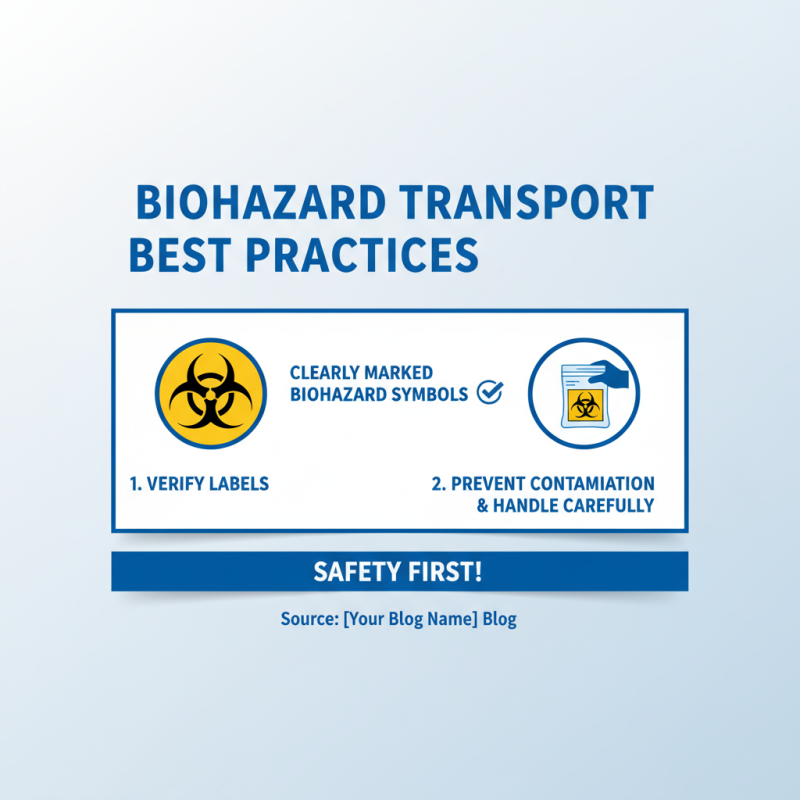
When it comes to using biohazard transport bags, following best practices is crucial for ensuring safety and preventing contamination. First and foremost, always verify that the bags are clearly labeled with biohazard symbols. This visual cue not only informs handlers of potential hazards but also ensures compliance with safety regulations in medical and laboratory environments.
**Tips:** When handling biohazard materials, wear appropriate personal protective equipment (PPE) such as gloves and masks. This protects you from exposure to hazardous substances while transporting them. Additionally, ensure the bags you use are sealed properly to contain the materials securely, reducing the risk of leaks or spills during transport.
Another vital practice is to check the integrity of the transport bags before usage. Look for any signs of wear, tear, or damage, as compromised bags can compromise safety. It's also essential to avoid overloading the bags—always adhere to weight limits to prevent accidents. Keeping a checklist of protocols for the handling and disposal of biohazard materials can further enhance safety and efficiency in your operations.
**Tips:** Train staff on proper handling techniques and establish a routine for reviewing and replacing biohazard transport bags as necessary. Regular training ensures that everyone understands the importance of these protocols and is prepared to respond to any incidents that may occur while handling biohazardous materials.

 +86 178 5514 5298
 CONTACT NUMBER
 CONTACT NUMBER