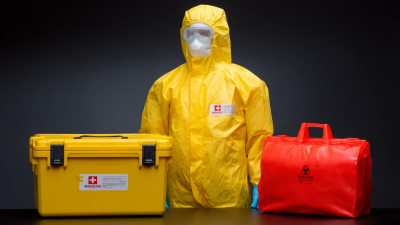
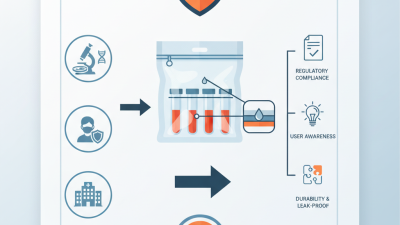
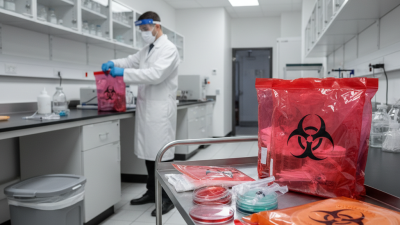
How to Choose the Best Biohazard Transport Bag for Safety?
Choosing the right biohazard transport bag is crucial for safety in handling hazardous materials. According to the National Institutes of Health, improper transportation can lead to contamination and exposure risks. Dr. Emily Carter, a leading expert in biomedical safety, states, "The integrity of a biohazard transport bag directly impacts the safety of both personnel and the environment."
In the biohazard transport bag industry, compliance with regulations such as OSHA and CDC guidelines is vital. Frequent safety audits reveal that 70% of facilities do not follow these protocols correctly. This highlights a significant need for quality assurance in the selection process. Not all bags are created equal; many fail to provide adequate sealing and protection.
Healthcare facilities must prioritize materials that offer durability and leak resistance. However, the challenge lies in balancing cost with quality. Often, buyers opt for cheaper options that compromise safety. The decision-making process should consider not only price but also the level of protection a biohazard transport bag provides. Ultimately, a safe choice can enhance overall risk management strategies.
How Biohazard Transport Bags Ensure Safety and Compliance Standards
Biohazard transport bags play a critical role in maintaining safety and compliance. These specialized bags are designed to securely contain biological materials, preventing leaks and contamination. According to a report from the Centers for Disease Control and Prevention (CDC), improper handling of hazardous waste can lead to significant health risks. In fact, about 30% of healthcare-associated infections stem from inadequate waste disposal practices.
These bags must meet rigorous safety standards. Compliance with the Occupational Safety and Health Administration (OSHA) guidelines is essential for ensuring safe transport. These regulations specify the required materials and labeling for biohazard transport bags. The ideal bags are puncture-resistant, leak-proof, and clearly marked with biohazard symbols. However, not all bags meet these stringent requirements, leading to potential safety lapses.
Training for personnel handling biohazard materials is equally important. A National Safety Council study denotes that one in four workers handling hazardous materials lacks proper training. This gap can result in mishandling, increasing the chances of exposure or accidents. Even with quality bags, human error remains a critical factor in safety. Emphasizing ongoing training and awareness can enhance compliance and overall safety practices greatly.
Key Features to Look for in Biohazard Transport Bags
When selecting a biohazard transport bag, safety should be your top priority. These bags are designed to securely contain hazardous materials during transport. Look for bags with strong, puncture-resistant materials. They should also be leak-proof to prevent any spills. A zippered closure adds an extra layer of security, ensuring that contents remain contained.
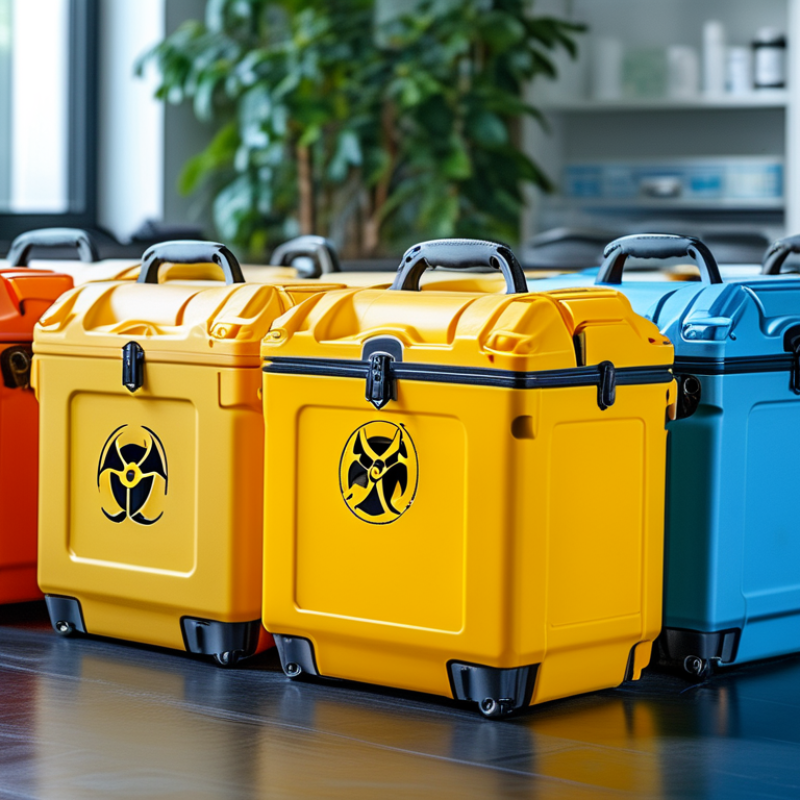
Color-coded designs can help identify the contents quickly. High-visibility colors alert handlers to the potential risks involved. Additionally, bags should meet safety regulations and standards to ensure compliance. Reinforced handles are essential as they provide stability and prevent accidental tears or drops.
Reflect on the weight of the bag as well. A heavy bag can create physical strain, impacting usability. It's vital to balance durability with practicality. Remember, the effectiveness of a biohazard transport bag lies in its design and materials. Aim for bags that offer both protection and ease of use. Make sure to assess your specific needs and choose accordingly.
Understanding Regulations for Biohazard Packaging and Transport
When transporting biohazard materials, understanding regulations is crucial for safety. Different countries have specific guidelines for packaging and transporting these hazardous items. It is essential to familiarize yourself with local laws. Ignorance can lead to serious consequences, including fines or accidents.
Proper labeling of biohazard transport bags is also a key aspect. Use clear and recognizable symbols to indicate the contents. This reduces confusion and enhances safety during transport. If the labeling is unclear, it might lead to mishandling. Regularly review your labeling processes to ensure compliance.
Additionally, choose bags made of durable materials designed to resist punctures and leaks. Ensure they meet the required standards for biohazardous waste. A poor choice can compromise safety. Failure to correctly follow these regulatory guidelines can result in significant risks. Reflect on your current practices and identify areas for improvement.
Biohazard Transport Bag Safety Ratings
This bar chart represents the safety ratings of various factors to consider when choosing a biohazard transport bag. The factors include compliance with regulations, durability, leak resistance, visibility, and ease of use. Ensuring high ratings in these areas is crucial for safe and compliant biohazard transport.
Comparative Analysis of Materials Used in Biohazard Transport Bags
When selecting a biohazard transport bag, the material is crucial. Common choices include polyethylene, polypropylene, and vinyl. Polyethylene offers excellent puncture resistance, making it a popular option for high-risk samples. Polypropylene, on the other hand, is lighter and provides good flexibility. However, it may not withstand extreme temperatures like polyethylene. There are pros and cons to each material.
Vinyl bags are often chosen for their durability and tear resistance. They can handle sharp objects, but they may not be as chemically resistant as polyethylene. Choosing the right bag requires an understanding of the specific risks involved. A compromise may be necessary when balancing weight and durability. Users should also consider potential reactions between the bag material and the transport contents.
Ultimately, recognizing the limitations of each option is vital. For instance, a bag might excel in one area but fail in another. It is essential to evaluate the specific needs of the transport task. Careful consideration of these factors can prevent unforeseen issues during transport. This level of analysis ensures a safer and more effective biohazard transport system.
How to Choose the Best Biohazard Transport Bag for Safety? - Comparative Analysis of Materials Used in Biohazard Transport Bags
| Material Type |
Durability |
Resistance to Chemicals |
Tear Resistance |
Cost |
| Polyethylene |
Moderate |
Moderate |
Good |
Low |
| Polypropylene |
High |
High |
Excellent |
Moderate |
| Vinyl (PVC) |
Moderate |
Low |
Moderate |
Low |
| Nylon |
Very High |
Moderate |
Very Good |
High |
| TPE (Thermoplastic Elastomer) |
High |
Very High |
Excellent |
Moderate to High |
Best Practices for Selecting and Using Biohazard Transport Bags in Labs
Selecting the right biohazard transport bag is crucial for laboratory safety. Statistics indicate that a significant percentage of lab accidents occur due to improper containment of biohazard materials. According to a 2021 report from the Laboratory Safety Association, nearly 30% of labs fail to use the proper containment protocols. This highlights the need for precise selection and usage of transport bags.
When selecting biohazard bags, pay attention to material strength and durability. Many labs overlook the fact that some bags may not withstand extreme temperatures or punctures. Opt for bags designed with multiple layers to reduce the risk of leaks. A survey from BioSafety International noted that bags with at least 4 mil thickness significantly reduce the likelihood of breaches. It’s also wise to consider bags with clearly marked biohazard symbols to ensure clear communication of the risks involved.
Proper usage extends beyond selection. Training staff on the critical handling of biohazard materials is essential. Frequent lapses can occur if laboratory personnel are unaware of best practices. Regular audits, as recommended by the National Institutes of Health, can identify weaknesses in transport procedures. Ultimately, selecting and utilizing biohazard transport bags effectively can prevent mishaps and enhance workplace safety.

 +86 178 5514 5298
 CONTACT NUMBER
 CONTACT NUMBER