How to Choose the Right Biohazard Sample Bags for Safe Disposal
When it comes to handling hazardous materials, the importance of using appropriate equipment cannot be overstated. One critical component in this process is the selection of suitable biohazard sample bags. These bags play a vital role in the safe disposal of potentially infectious or harmful samples, ensuring protection for both health care workers and the environment. Understanding the various types of biohazard sample bags available is essential for any facility dealing with biological waste.
Choosing the right biohazard sample bags involves considering several factors, including material strength, size, and adherence to safety standards. The correct bag not only minimizes the risk of leaks and contamination but also facilitates proper disposal processes. In this guide, we will explore key considerations and best practices to help you select the most appropriate biohazard sample bags for your specific needs. By doing so, you will ensure that your handling and disposal of hazardous materials meet necessary safety protocols, ultimately promoting a healthier workplace environment.
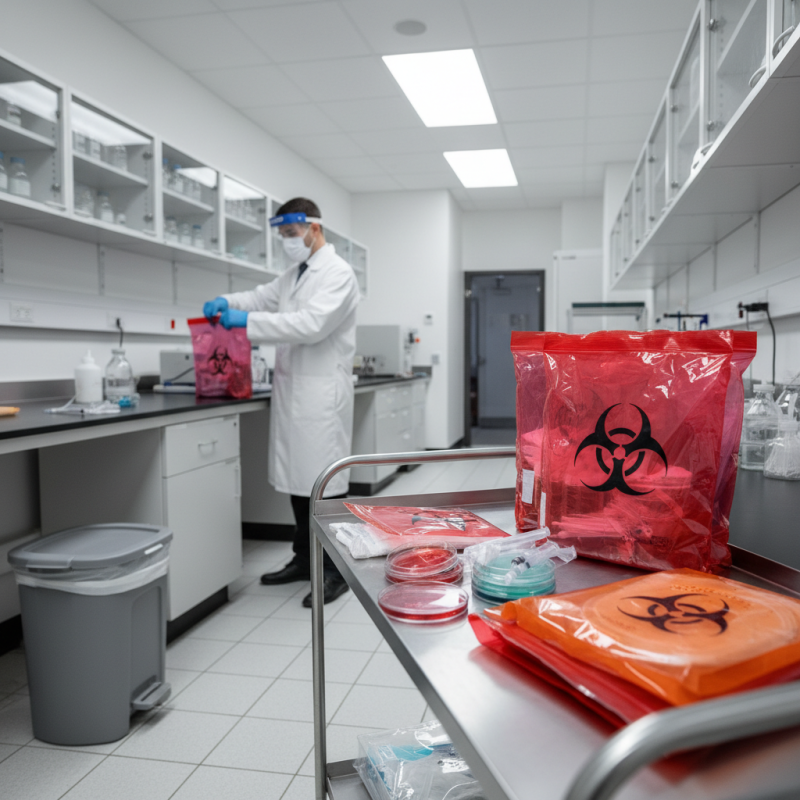
Understanding Biohazard Sample Bags: Types and Standards
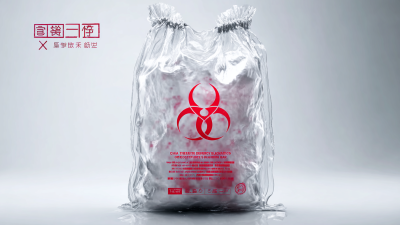
When it comes to choosing biohazard sample bags, understanding the different types and their corresponding standards is crucial for ensuring safe disposal. Biohazard bags are classified into various categories based on their intended use, such as red bags for regulated medical waste and clear or opaque bags for general biomedical waste. The standards set by organizations like the Occupational Safety and Health Administration (OSHA) and the Centers for Disease Control and Prevention (CDC) guide the selection process, ensuring that the materials used can effectively contain hazardous substances while preventing any leakage or contamination.
When selecting a biohazard sample bag, consider the thickness and puncture resistance. According to industry data, bags with a thickness of at least 2 mils are recommended to withstand the potential hazards associated with sharp objects or heavy samples. Additionally, ensure that the bags meet the ASTM D1922 or ISO 7391 standards for tear resistance, which provide assurance against accidental tears during handling.
Tips: Always label biohazard sample bags clearly to indicate their contents and intended disposal method. It is also advisable to use bags with secure seals to minimize any risk of exposure. Regularly review compliance with local and federal regulations regarding biohazard disposal to stay updated on best practices and legal requirements.
Key Considerations for Selecting Biohazard Bags for Disposal
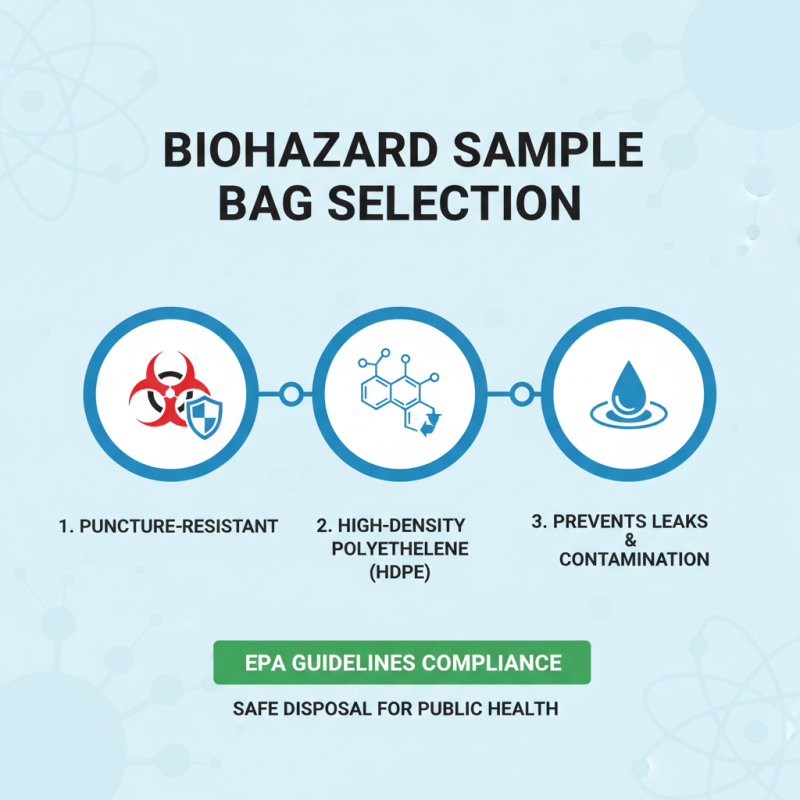
When selecting biohazard sample bags for safe disposal, there are essential considerations to ensure compliance with safety standards and effective waste management. One of the primary factors is the material of the bags. According to a report by the Environmental Protection Agency (EPA), biohazard bags should be made of puncture-resistant, high-density polyethylene to prevent leaks and contamination. This type of material is crucial for safeguarding public health, especially in medical and laboratory environments where hazardous biological waste is generated.
Another significant consideration is the bag’s capacity and labeling. The World Health Organization (WHO) recommends using color-coded bags—typically red for biohazard waste—to minimize risks and promote proper disposal practices. Ensuring that bags are appropriately sized for specific waste types can prevent overfilling, which is a common cause of spills and exposure to hazardous materials. Furthermore, compliance with OSHA standards mandates that all biohazard bags must display clear labeling, detailing the contents and any necessary handling precautions, which not only complies with regulations but also enhances safety protocols in handling these materials.
Lastly, it is important to consider the disposal method associated with the biohazard bags. According to the National Waste & Recycling Association, facilities should be equipped with incineration or autoclaving capabilities to properly treat the contents before disposal. The selection of bags that can withstand these processes is vital for effective waste management. By carefully considering the material, labeling, size, and disposal methods, facilities can better safeguard health and the environment during the management of biohazardous materials.
Material Properties: Choosing the Right Composition for Safety
When choosing biohazard sample bags, the material properties play a crucial role in ensuring safe disposal. High-density polyethylene (HDPE) and low-density polyethylene (LDPE) are two common materials used in the manufacture of these bags due to their excellent chemical resistance and durability. According to research from the Environmental Protection Agency, HDPE is known to resist punctures, tears, and impacts, making it ideal for handling sharp or hazardous materials. On the other hand, LDPE is more flexible and provides a reliable barrier against moisture, which is critical when dealing with liquid samples or potentially infectious materials.
Additionally, the thickness of the bag is an important factor to consider. Most industry standards recommend a minimum thickness of 2 mils for biohazard bags, as this provides adequate strength to avoid leaks or tears during transport and disposal. The Centers for Disease Control and Prevention (CDC) notes that using bags with insufficient thickness can increase the risk of contamination and exposure to hazardous materials, emphasizing the importance of adhering to these material specifications. When selecting biohazard sample bags, users should also ensure that the chosen material is compatible with the types of substances being contained, thus ensuring safety and compliance with disposal regulations.
Compliance with Regulations: Ensuring Safe Disposal Practices
When it comes to the disposal of biohazardous materials, compliance with regulations is paramount. Various regulatory bodies have set standards governing the handling, storage, and disposal of biohazard samples to minimize health risks and environmental impact. Organizations must familiarize themselves with these regulations to ensure they are using biohazard sample bags that meet safety, labeling, and closure standards. This not only protects employees and the public but also avoids potential fines or legal issues.
Tips for ensuring compliance:
- Regularly review local and federal regulations related to hazardous waste disposal.
- Select bags that are clearly labeled as biohazard and ensure that they are puncture-resistant and leak-proof.
- Staff training is essential; all employees should understand the proper procedures for filling, sealing, and disposing of these bags.
Another key consideration is the appropriate disposal method for the filled biohazard bags. Organizations should partner with licensed waste disposal services that adhere to state and federal regulations. Implementing a tracking system for the disposal process can further enhance compliance, ensuring that all biohazardous waste is accounted for and disposed of properly. By prioritizing
regulatory compliance, organizations can uphold safe disposal practices and foster a culture of safety within their operations.
Best Practices for Biohazard Bag Usage and Handling Techniques
When handling biohazard materials, ensuring safe and effective disposal begins with the proper usage of biohazard sample bags. These bags are specifically designed to contain potentially infectious materials, preventing contamination and exposure. Understanding best practices for bag usage is crucial in maintaining safety standards. Always select bags that are puncture-resistant and clearly labeled with biohazard symbols to ensure easy identification.
Tips: Always double-bag materials that may be particularly sharp or hazardous. This extra layer of protection significantly reduces the chance of leaks or tears during transportation. Additionally, never overfill bags; they should be closed securely to avoid spills while being handled.
Handling techniques are equally important. When transporting biohazard bags, make sure to use designated carts or bins that are easily sanitized. Avoid carrying multiple bags at once, which can lead to accidents. Furthermore, train all personnel involved in biohazard disposal on correct handling practices to minimize risk and enhance overall safety protocols. Ensure that disposal areas are clearly marked and accessible only to authorized personnel to maintain a controlled environment.
How to Choose the Right Biohazard Sample Bags for Safe Disposal
| Bag Type |
Material |
Capacity |
Color |
Typical Usage |
Recommended Disposal Method |
| Biomedical Waste Bag |
Polyethylene |
20 liters |
Red |
Hospital waste |
Incineration |
| Sharp Waste Bag |
Polypropylene |
10 liters |
Yellow |
Sharp objects |
Specialized treatment |
| Biological Specimen Bag |
Low-density polyethylene |
1 liter |
Clear |
Specimen transport |
Autoclaving |
| Chemical Waste Bag |
Heavy-duty polyethylene |
25 liters |
Blue |
Chemical waste |
Chemical disposal facility |
| Radioactive Waste Bag |
Lead-lined polyethylene |
15 liters |
Orange |
Radioactive materials |
Licensed disposal site |

 +86 178 5514 5298
 CONTACT NUMBER
 CONTACT NUMBER