How to Choose the Best Specimen Collection Kit for Your Needs?
Choosing the right specimen collection kit can be daunting. With various types available, understanding your needs is crucial. Dr. Amanda Lee, a leading expert in laboratory diagnostics, emphasizes, “The right kit can make all the difference in obtaining accurate samples.” Her insights guide those navigating this complex decision.
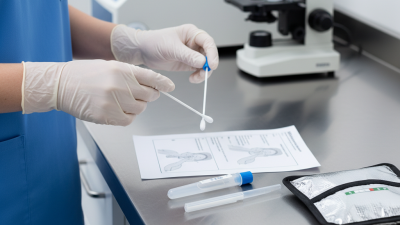
Specimen collection kits vary widely. They cater to different types of tests, from blood draws to swab collections. It’s vital to assess what specific samples you need. Consider the environment where the collection will occur. Will it be in a clinic, home, or remote location? Each setting may require different kit features.
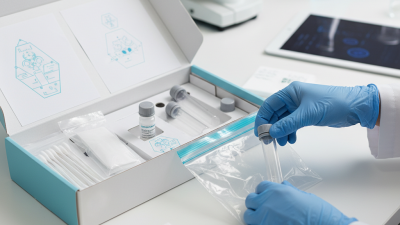
Additionally, examine the components within the kit. Some kits include sample preservatives, while others require immediate processing. This can affect sample integrity. Thoroughly research the brands available, their reviews, and regulations. Trustworthy manufacturers often provide clear instructions and quality assurance. However, even the best kits may still yield inconsistent results without proper handling. Having the right kit is essential, but so is following proper collection protocols.
Understanding Different Types of Specimen Collection Kits
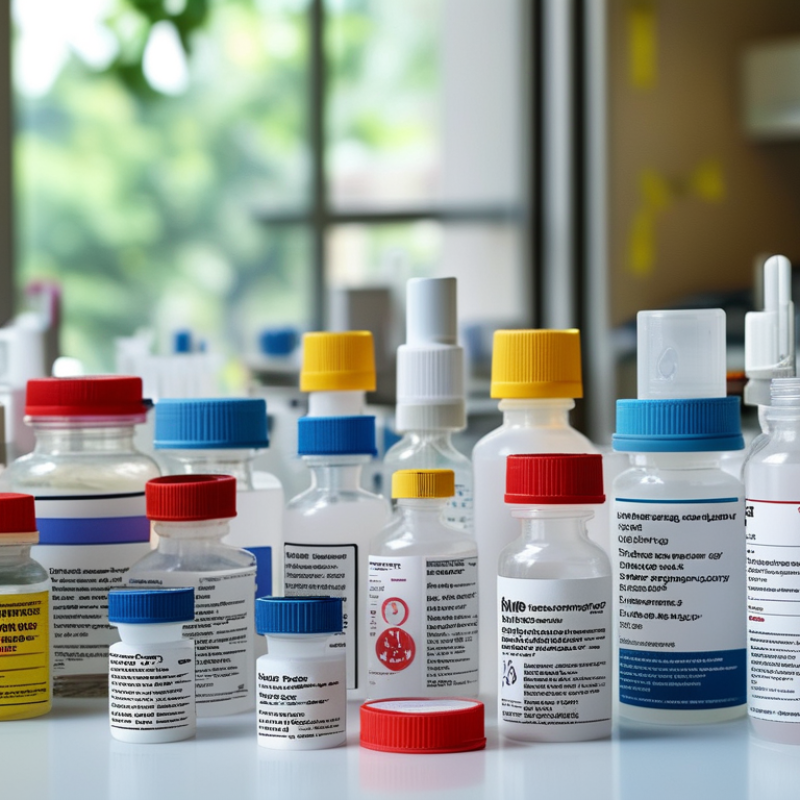
When selecting a specimen collection kit, it’s essential to understand the varying types available. Each type serves a specific purpose and is designed for specific specimens. For instance, blood collection kits often include vacuum tubes that maintain the integrity of samples. These tubes utilize specific additives to prevent clotting. A study published in Clinical Chemistry reported a 15% increase in accuracy when using the right additives for different tests.
Urine collection kits are another category. They typically feature containers with a secure lid to avoid contamination. Many kits include preservatives, crucial for tests that require stability over time. According to recent data from the Journal of Clinical Pathology, using appropriate containers can reduce false positives by up to 20%.
Saliva collection kits are growing in popularity. They allow for non-invasive sampling, which is ideal for genetic testing. However, these kits can vary significantly in quality. One report indicated that improper handling could lead to sample degradation, impacting results. Each kit also comes with its handling instructions that must be followed closely. Understanding these specifics can deeply influence the reliability of your testing outcomes.
Identifying Your Specific Testing Requirements
When selecting a specimen collection kit, pinpointing your specific testing requirements is crucial. Different tests necessitate different types of samples. For instance, blood tests need different components compared to urine tests. A clear understanding of what you require can save time and resources. Researching the tests you will conduct gives clarity and direction.
Consider the type of specimen you need to collect. Do you need a swab, a serum, or a urine sample? Each requires specialized collection methods. Improperly collected specimens can lead to unreliable results. Be cautious about these details. Look for kits that offer clear instructions. Many kits include step-by-step guides, which can help reduce errors.
You may also want to assess the volume needed for testing. Some tests require large samples, while others only need small amounts. This can affect the collection kit you choose. If you're unsure, consulting with a healthcare professional can provide guidance. It’s essential to reflect on your unique testing needs before making a decision. Remember, your choice can impact the accuracy of your results.
How to Choose the Best Specimen Collection Kit for Your Needs? - Identifying Your Specific Testing Requirements
| Test Type |
Collection Method |
Specimen Type |
Storage Requirements |
Turnaround Time |
| Blood Test |
Venipuncture |
Whole Blood |
Room Temperature |
1-3 Days |
| Urine Test |
Mid-stream Collection |
Urine |
Refrigerated |
2 Days |
| Swab Test |
Oral/Nasal Swab |
Saliva/Respiratory Specimen |
Room Temperature |
24-48 Hours |
| Stool Test |
Collection from Container |
Feces |
Refrigerated |
1-5 Days |
| Tissue Biopsy |
Surgical Collection |
Tissue |
Formalin-Fixed |
1 Week |
Evaluating the Quality and Reliability of Collection Kits
When selecting a specimen collection kit, assessing its quality is crucial. High-quality kits should be designed to preserve sample integrity. Look for kits with robust packaging that prevents contamination. Features like sterile containers can enhance reliability, ensuring accurate testing results.
Reliability goes beyond physical attributes. Research the manufacturer’s reputation. Trustworthy companies often provide detailed information about their production processes. Independent testing and certifications demonstrate a commitment to meeting industry standards. Check user reviews and feedback. Honest experiences can reveal potential issues you may encounter.
Consider the specific needs of your situation. Some kits are crafted for particular specimen types, while others offer versatility. It's important to match the kit to your testing requirements. Don't overlook the ease of use. A well-structured kit can save time and reduce the risk of errors during collection. Reflection on your actual experience with the kit will help identify any shortcomings or areas for improvement.
Considering Cost and Availability of Specimen Collection Kits
When selecting a specimen collection kit, cost and availability are crucial factors. Prices can vary significantly. It's essential to find a kit that fits your budget without compromising quality. Some kits may seem cheaper but lack necessary components. This can lead to issues during the collection process. Another factor is shipping costs and time. A low-priced kit that takes weeks to arrive might be less convenient.
Availability is also a key consideration. Some kits are not readily accessible in certain regions. Investigate local suppliers or online options. Stock levels can fluctuate, so it helps to have alternatives in mind. Check reviews or recommendations to ensure the alternatives meet your needs. Being prepared can save you time and ensure a smoother collection experience.
Sometimes, it's easy to overlook hidden costs. Think beyond the initial price. Consider the potential for repeat purchases if the kit fails. Research and community feedback can guide you in making an informed choice. Taking the time to weigh these factors can lead to better decision-making.
Reviewing Manufacturer and User Recommendations
When selecting a specimen collection kit, it's crucial to consider both manufacturer and user recommendations. According to industry reports, nearly 70% of users value recommendations from healthcare professionals. This highlights the importance of consulting with experts who have firsthand experience with various kits. User reviews often provide insights into specific features that matter most, such as ease of use and reliability.
Tips: Always look for kits that are user-friendly. Complicated instructions can lead to errors in sample collection. A reliable kit should minimize user error and maximize accuracy.
Trustworthy manufacturers often have certifications that validate their quality. Reports suggest that kits with ISO certification have a 30% lower failure rate in laboratory processing. This statistic alone can guide users to make informed decisions. Remember, quality matters more than price. Sometimes, more affordable kits compromise on necessary features.
Tips: Don’t rush your decision. Take the time to read multiple user reviews. This helps build a clearer picture of a kit's actual performance. Consider what previous users say about their experience.

 +86 178 5514 5298
 CONTACT NUMBER
 CONTACT NUMBER