How to Choose the Best Specimen Tube for Your Needs?
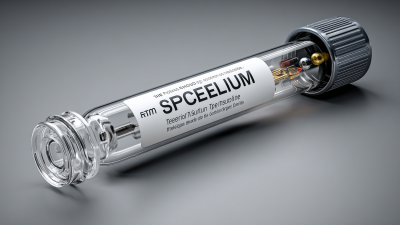
Choosing the right specimen tube is crucial for accurate laboratory results. The variety of specimen tubes available can be overwhelming. Each type serves specific purposes, impacting test outcomes and patient care.
When selecting a specimen tube, consider the type of sample you are collecting. Some tubes are designed for blood, while others are for urine or tissue. It's essential to match the tube's properties with your sample needs. The color of the tube's cap often indicates its intended use. Understanding these differences can enhance the reliability of your tests.
It's worth noting that not all specimen tubes perform equally well. Some may not store samples effectively, leading to compromised results. Quality matters in the selection process. Evaluate your options carefully and seek guidance when necessary. Finding the best specimen tube is a pivotal step toward ensuring your laboratory’s efficiency and accuracy.
Understanding the Different Types of Specimen Tubes Available
When selecting a specimen tube, understanding the different types available is crucial. There are primarily two categories: additives and no-additive tubes. Tubes with additives contain substances like anticoagulants, preserving the blood for accurate testing. In contrast, no-additive tubes are typically used for collecting serum. According to industry reports, about 70% of clinical decisions are influenced by lab results, making the selection of the right tube vital.
Tips: Always consider the test type when choosing a tube. Select a tube with the proper additive for your specific analysis. For example, EDTA tubes are often used for blood counts, while sodium citrate tubes are preferred for coagulation tests.
Moreover, not all tubes are created equal. The design, volume, and color coding are important factors to assess. Data indicates that improper tube selection can lead to erroneous results. Many labs recommend double-checking tube types to avoid common mistakes. In some cases, a minor error can cause delays in patient care. Understanding the purpose of each tube will help enhance accuracy and reliability in testing.
Key Factors to Consider When Selecting Specimen Tubes
Choosing the right specimen tube can make a significant difference in laboratory results. Several key factors should guide your selection. The intended use of the specimen tube is essential. Different tests require specific tube types. For instance, some tubes are designed for serum, while others are for plasma.
Another crucial factor is the tube’s additive. Additives can impact the stability of the sample. Understanding the chemistry involved is vital. Some users may overlook this detail. However, improper use can compromise test reliability. It’s important to verify compatibility with your testing protocol.
The tube's volume is equally important. Ensure it matches the sample volume needed for your tests. Oversized or undersized tubes may lead to inaccurate results. Users should also consider the tube's storage conditions, as this can affect sample integrity. Always check expiry dates and storage recommendations. Making an informed choice requires careful reflection on these aspects.
Matching Specimen Tubes to Specific Tests and Applications
When selecting specimen tubes, it's crucial to consider the specific tests they will be used for. Different tests require different types of tubes to ensure accurate results. For instance, blood collection tubes come in various colors, indicating their additives and intended use. Red top tubes are often used for serum tests, while lavender top tubes are ideal for hematology tests.
Tips: Always check the requirements for the test you will conduct. This ensures you use the correct tube. If you're unsure, consulting with a lab technician can provide clarity.
Choosing the right specimen tube also involves understanding the volume needed for your tests. Some tests require larger volumes, while others can work with smaller samples. This aspect is often overlooked but can affect test reliability. Take time to familiarize yourself with the specifications for each test.
Tips: Consider your workflow when selecting tubes. Having the right quantity and type on hand can save time and reduce errors. Maintaining an organized storage system can help prevent mix-ups. Each test has unique demands, and reflecting on past experiences can lead to better choices in the future.
Assessing Material Compatibility and Performance of Specimen Tubes
When selecting the right specimen tube, material compatibility is crucial. Different materials can react in unexpected ways. Common materials include glass, plastic, and specialized polymers. Glass tubes often provide better stability for certain specimens. However, they can be fragile. Conversely, plastic tubes are lighter and less breakable but may not offer the same chemical resistance.
Understanding performance traits is equally important. Some tubes may not preserve samples effectively over time. It’s vital to consider the intended use. Will they be stored in extreme temperatures? Will they come into contact with corrosive substances? Compatibility with specimen type impacts the overall analysis.
Don't overlook certification and standards. Ensure the tubes meet industry specifications. Poor choices can lead to unreliable results. Reflecting on previous experience with specimen tubes can also help inform future decisions. Gathering feedback from colleagues may provide insights that are otherwise overlooked. Sometimes the perfect tube is not the most obvious choice.
How to Choose the Best Specimen Tube for Your Needs? - Assessing Material Compatibility and Performance of Specimen Tubes
| Specimen Tube Type |
Material |
Additives |
Common Uses |
Storage Temperature |
| Vacutainer |
Glass or Plastic |
Sodium Citrate |
Coagulation Studies |
Room Temperature |
| Serum Separator Tube |
Plastic |
Gel |
Serum Testing |
Room Temperature |
| EDTA Tube |
Plastic or Glass |
EDTA |
Hematology |
Room Temperature |
| Heparin Tube |
Plastic |
Lithium Heparin |
Plasma Testing |
Room Temperature |
| Blood Culture Bottle |
Glass |
Nutrient Broth |
Microbial Cultures |
Room Temperature |
Best Practices for Storing and Handling Specimen Tubes
When storing specimen tubes, proper handling is key to maintaining sample integrity. Temperature control is critical. Studies show that improper storage can lead to a 30% degradation of certain biological samples within hours. Specimen tubes should ideally be kept at specific temperature ranges. For many biological specimens, this is often between 2°C and 8°C.
Labeling is another crucial aspect. Clear, accurate labels prevent misidentification. In a lab environment, as many as 10% of samples are misidentified due to poor labeling. This can compromise research outcomes. Thus, using resilient labels and double-checking information before sealing specimens can greatly improve reliability.
It's essential to consider contamination risks. Specimen tubes should be handled with clean gloves, but human error can occur. Up to 5% of samples report contamination issues that affect analysis results. Practicing good hygiene habits can reduce this risk significantly. Awareness and continuous training on handling protocols can help mitigate these concerns, ensuring that specimens remain viable for testing.
Specimen Tube Types and Their Usage Frequencies

 +86 178 5514 5298
 CONTACT NUMBER
 CONTACT NUMBER