How to Choose the Right Medical Lab Pouch for Your Needs?
Choosing the right Medical Lab Pouch is crucial for effective laboratory operations. These pouches come in various sizes, materials, and functionalities. Selecting the appropriate one can impact sample integrity and processing efficiency.
Consider specific needs when assessing options. For example, will the pouch be used for biohazardous materials or standard samples? The choice of material, such as polyethylene or vinyl, can affect durability and protection. Small features, like a secure sealing mechanism, can make a significant difference.
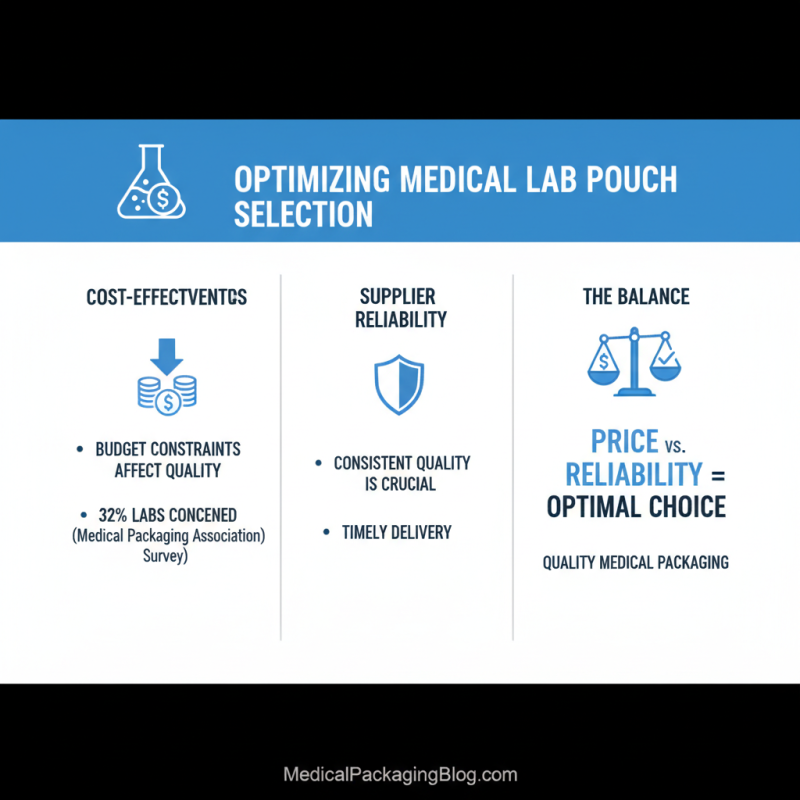
It’s easy to overlook the details. Many might think any pouch would suffice. Yet, improper selection can lead to contamination or sample spoilage. Reflect on your laboratory's unique requirements, and aim for a pouch that balances affordability with quality. The right Medical Lab Pouch is not just a functional item; it ensures reliability in the lab environment.
Understanding the Different Types of Medical Lab Pouches Available
When choosing a medical lab pouch, it's crucial to understand the various types available on the market. Medical lab pouches serve different functions, including specimen transport, storage, and protection. The two primary categories include specimen pouches and biohazard pouches. Each type has distinct features designed to meet specific needs.
Specimen pouches are often transparent, allowing for easy identification. Many are equipped with secure seals to prevent leaks. According to a recent industry report, over 40% of medical labs prioritize leak-proof designs. On the other hand, biohazard pouches offer enhanced protection. They are often made of thicker materials and clearly labeled with hazard symbols, reducing the risk of contamination. However, some biohazard pouches have faced concerns about cost-effectiveness and disposal challenges.
Choosing the right pouch requires assessing your specific needs. Cost, material, and labeling should all factor into your decision. Reports indicate that nearly 25% of labs struggle with selecting the most suitable pouches. It's essential to consider these aspects, even if it complicates the purchasing process. Understanding these categories can lead to better decisions that enhance safety and efficiency in medical settings.
Distribution of Different Types of Medical Lab Pouches
Evaluating Material Durability and Safety Standards for Lab Pouches
When selecting a medical lab pouch, evaluating material durability and safety standards is crucial. A lab pouch must endure various conditions. It should resist tears and punctures. This durability is essential for protecting sensitive samples. The material's composition often affects its strength. Common materials include polyethylene and polypropylene. These typically offer good resistance to chemicals and moisture. However, not all lab pouches are created equal.
Safety standards are also crucial. Ensure the pouches meet health regulations. Look for materials that are non-reactive and safe for enclosed samples. Some materials may leach harmful substances over time. Reading product specifications can help clarify this. Consider how the pouch will be used. Different applications may require specific safety features. For instance, the ability to maintain a sterile environment is key for biological samples.
Choosing the right lab pouch is not just about price. It involves assessing your specific needs. What are the samples you'll work with? How often will you use them? Reflect on the balance between durability and safety. It’s essential to find this balance for effective lab operations. Even minor miscalculations can lead to larger issues down the line. Taking time to evaluate these factors is always worth it.
How to Choose the Right Medical Lab Pouch for Your Needs?
| Material Type |
Durability Rating |
Safety Standards |
Best Use Cases |
Cost Range (USD) |
| Polyethylene (PE) |
Moderate |
ISO 13485 Certified |
General specimen storage |
$0.10 - $0.25 |
| Polypropylene (PP) |
High |
ASTM D6954 Compliant |
Preserving samples |
$0.15 - $0.30 |
| Polyvinyl Chloride (PVC) |
Moderate |
FDA Approved |
Transporting hazardous materials |
$0.20 - $0.40 |
| Nylon |
Very High |
ISO 9001 Certified |
Extreme conditions and durability |
$0.50 - $1.00 |
| Eco-friendly Materials |
Varies |
Compliant with environmental standards |
Sustainable lab practices |
$0.30 - $0.60 |
Analyzing Size and Capacity Requirements for Specific Lab Applications
Choosing the right medical lab pouch requires careful consideration of size and capacity. Each lab has specific needs depending on their applications. For example, a smaller pouch may suit labs that handle basic tasks. Larger pouches are necessary for comprehensive sample processing.
When analyzing capacity, think about what you’ll store. Some labs require pouches for liquids, while others need to accommodate solids or powders. Additionally, the volume is crucial. A pouch that’s too small can lead to spills. Conversely, an oversized pouch may waste space.
Many labs underestimate the importance of fit. A poorly sized pouch may cause issues during extraction or analysis. Reflecting on past experiences can guide future purchases. Assess your current processes, ask staff for input, and test different options to find the best solution for your lab's unique requirements.
Exploring Environmental and Regulatory Impacts of Medical Lab Pouches
Medical lab pouches play a crucial role in the healthcare industry. Their design must consider environmental impacts. Many pouches are made from plastic, which is not biodegradable. This raises concerns about waste management in medical facilities. Recycling programs can help, but participation is often low.
Regulatory standards also affect pouch selection. For instance, safety and sterility are paramount in medical environments. Some pouches might not meet these standards. This can lead to risks for patients and medical staff. Organizations must regularly review their pouch types. They should ensure compliance with regulations.
Choosing the right medical lab pouch involves balancing needs and environmental responsibilities. Some materials are more eco-friendly but may lack required durability. Decision-makers should thoughtfully evaluate trade-offs. Research is essential to stay updated on innovations. This will lead to smarter and greener choices.

 +86 178 5514 5298
 CONTACT NUMBER
 CONTACT NUMBER