2026 How to Choose the Right Specimen Collection Kit?
Choosing the right specimen collection kit can be daunting. The variety of options available makes the decision complex. A suitable kit ensures accurate results and safe handling of samples.
When evaluating a specimen collection kit, consider your specific needs. Ensure that it meets the standards for your particular type of specimen. Assess the materials included. Quality matters; inferior materials can compromise sample integrity.
It is also essential to review the kit's instructions for use. Clear guidance can significantly impact your ability to collect samples correctly. Some kits may require specialized training, which can add complexity to the process. Trustworthy brands offer reliable resources to assist you. Ultimately, selecting the right specimen collection kit can enhance the reliability of your results. Choose wisely, weigh your options, and pay attention to details.
Understanding the Importance of Specimen Collection Kits
Specimen collection kits play a vital role in the medical field. They ensure that samples are collected, transported, and processed correctly. According to industry reports, the accuracy of test results depends highly on the integrity of these kits. A study by the Health Industry Distributors Association indicated that improper handling can lead to a 30% reduction in diagnostic accuracy.
Choosing the right specimen collection kit is not straightforward. Understanding the specific requirements of your testing process is essential. For example, blood samples may require certain additives, while urine tests need sterile containers. The right kit also ensures compliance with regulatory standards. Inadequate collection tools can result in compromised samples, affecting patient outcomes and delaying diagnoses.
Tips for selecting a kit include assessing the stability of the specimen over time. Some samples degrade without proper containment. Check the kit for clear labeling and instructions. This reduces the likelihood of errors during collection. Lastly, consider the supplier's reputation. Reliable vendors often provide extensive support and resources.
Always remember that even the best specimens can fail due to human error. Training staff on proper collection techniques can bridge this gap. Investing time in these details creates a stronger foundation for accurate testing results. The impact of each kit extends beyond the laboratory, influencing patient care and treatment plans directly.
2026 How to Choose the Right Specimen Collection Kit? - Understanding the Importance of Specimen Collection Kits
| Specimen Type |
Collection Method |
Storage Conditions |
Transport Requirements |
Typical Use Cases |
| Blood |
Venipuncture |
2-8°C |
Securely packaged in biohazard containers |
Routine blood tests, serology |
| Urine |
Midstream collection |
Room temperature |
Transport in collection kit without leakage |
Urinalysis, drug screening |
| Saliva |
Saliva collection swab |
Room temperature |
Stored in sterile container |
Genetic testing, hormonal analysis |
| Stool |
Direct collection in container |
4°C for up to 24 hours |
Used with preservative if delayed |
Microbiology, screening for parasites |
Key Factors to Consider When Selecting a Collection Kit
Choosing the right specimen collection kit is crucial for accurate testing. When selecting a kit, consider several key factors. The type of specimen needed is essential. Different tests require blood, urine, or saliva. Ensure the kit is designed for the specific type of specimen you plan to collect.
Next, examine the kit's components. A good collection kit should include all necessary materials—collection tubes, labels, and instructions. The quality of these materials can affect the integrity of your specimen. Look for kits that offer clear, concise directions. Misunderstandings can lead to errors.
Storage and transport conditions matter as well. Some specimens may require refrigeration or specific handling to remain viable. If these conditions are not met, results can be compromised. It’s also wise to check the expiration date of the kit. Using outdated materials may lead to unreliable outcomes. Always consider these factors carefully to ensure reliable specimen collection.
Types of Specimen Collection Kits Available on the Market
Choosing the right specimen collection kit is essential for laboratories and healthcare providers. There are several types available on the market, each serving specific purposes. Blood collection kits are dominant, accounting for nearly 40% of the global market share in 2022, as per recent industry reports. These kits are designed for ease of use and accuracy, essential for diagnostic testing. Proper handling is crucial; any deviation can lead to erroneous results.
Urine collection kits represent another significant segment, widely used for various tests, including drug screenings and routine urinalysis. Reports indicate that this segment has seen a growth rate of about 8% annually. The intended use determines the type of kit. For instance, a standard urine kit is different from one designed for cultures. Kits must be selected based on testing requirements and patient needs.
Notably, collection kits for microbiological specimens are also gaining traction. Their market share has been increasing, driven by a rise in infectious diseases. The demand for these kits highlights a need for awareness regarding proper collection methods. Inadequate sampling can lead to misdiagnosis. Professionals must weigh the strengths and limitations of each kit, ensuring the choice aligns with testing goals. Careful consideration and training are vital.
Best Practices for Using Specimen Collection Kits Effectively
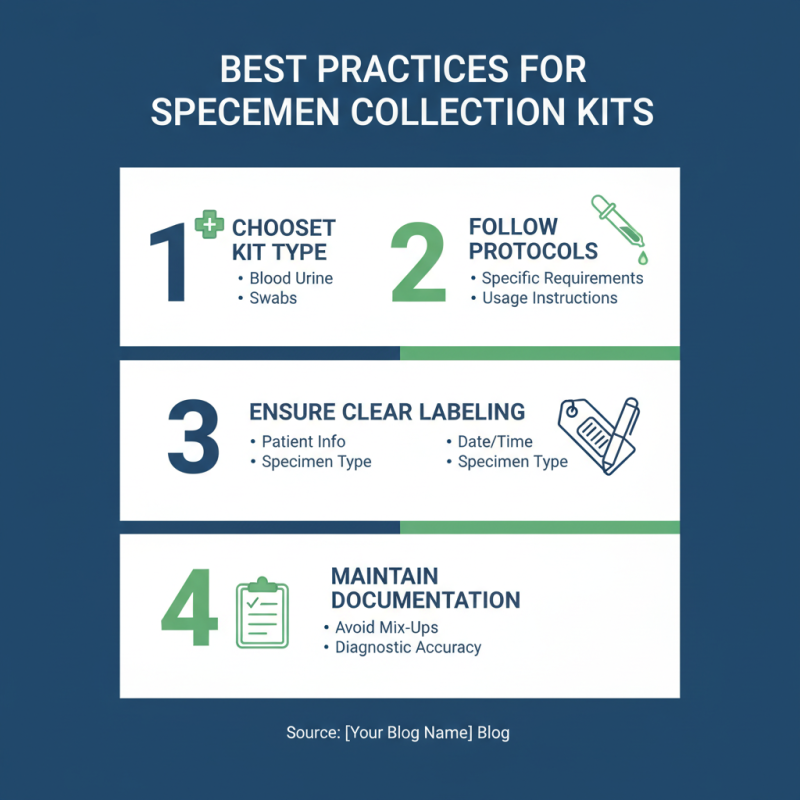
Choosing the right specimen collection kit can be crucial for diagnostic accuracy. When selecting a kit, consider the type of specimen needed, such as blood, urine, or swabs. Each kit has specific requirements and protocols. Use clear labeling and proper documentation to avoid sample mix-ups.
Using these kits effectively involves careful handling and timely transport. Ensure the kits are stored as per instructions. Temperature fluctuations can compromise integrity. Regularly check expiration dates, as outdated kits can yield unreliable results.
When collecting samples, follow standardized procedures meticulously. Inadequate collection techniques can lead to errors. If unsure, consult a professional. Reflection on past experiences can improve future practices. Aim for precision; it ensures reliable outcomes in testing.
Regulatory Compliance and Quality Standards for Collection Kits
When selecting a specimen collection kit, regulatory compliance is crucial. Each country has specific regulations governing medical devices and kits. It’s essential to understand these regulations. Often, compliance determines the kit's suitability for clinical use.
Quality standards are equally important. Kits should meet ISO and other relevant standards. This ensures the kits provide reliable results. Sometimes, manufacturers may overlook this aspect during production. In such cases, a kit might fail to meet testing or safety requirements.
Testing the collection kit is vital. Laboratory staff should regularly review the performance of these kits. They must also ensure proper handling and transportation of specimens. Always reflect on the potential shortcomings of a kit before making a choice. Not every collection kit is created equal. Choosing wisely involves thorough consideration of both compliance and quality standards.

 +86 178 5514 5298
 CONTACT NUMBER
 CONTACT NUMBER