How to Use a Specimen Collection Kit Effectively?
Using a specimen collection kit effectively is essential in clinical settings. According to a report by the Centers for Disease Control and Prevention, improper sample handling leads to inaccurate results in 30% of cases. This statistic underscores the importance of educating users about proper procedures.
A specimen collection kit must be handled with care. Each kit should contain clear instructions. Following these can enhance sample integrity. For instance, maintaining the appropriate temperature during transport is crucial. However, many users underestimate this step.
Moreover, adequate training on using a specimen collection kit can improve outcomes. Some healthcare professionals may overlook this need, leading to errors. A thoughtful approach is necessary to avoid common mistakes. Data shows that effective training programs reduce specimen rejection rates significantly. Therefore, recognition of potential pitfalls in specimen collection is key for better diagnostic accuracy.

Importance of Specimen Collection Kits in Modern Diagnostics
Specimen collection kits play a crucial role in modern diagnostics. They ensure accurate testing and reliable results. According to the Global Market Insights report, the specimen collection market is projected to reach $20 billion by 2026. This highlights their significance in healthcare.
The efficiency of these kits can impact patient outcomes. Missteps during collection can lead to contamination or insufficient samples. A study from Clinical Microbiology Reviews noted that incorrect specimen handling may result in diagnostic errors in up to 30% of cases. Therefore, proper training for staff using these kits is essential.
Moreover, the convenience they provide cannot be overlooked. Patients can collect samples at home, which saves time and improves compliance. However, the challenge remains in ensuring that individuals follow instructions accurately. Simplifying the process can mitigate potential errors, but it requires careful design and clear communication.
How to Use a Specimen Collection Kit Effectively? - Importance of Specimen Collection Kits in Modern Diagnostics
| Aspect |
Details |
| Purpose |
To collect samples for laboratory testing to facilitate accurate diagnostics. |
| Types of Specimens |
Blood, urine, saliva, tissue, and other bodily fluids. |
| Key Components |
Collection containers, preservatives, labels, and instructional materials. |
| Best Practices |
Follow instructions carefully, use appropriate PPE, and ensure proper labeling. |
| Common Challenges |
Sample contamination, improper storage, and delayed transport. |
| Importance in Diagnostics |
Ensures accurate, timely, and reliable test results for patient care. |
Key Components of an Effective Specimen Collection Kit
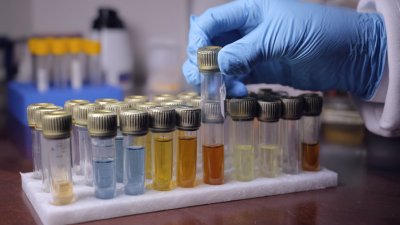
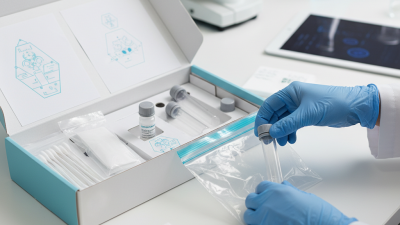
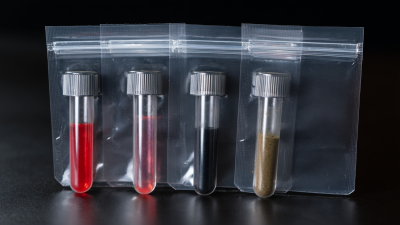
When it comes to using a specimen collection kit effectively, understanding its key components is essential. A well-designed kit typically includes containers, collection tools, and instructions. The containers should be sterile and securely sealed to prevent contamination. Tools like swabs or applicators must be suitable for the specimen type. Clear instructions guide users on proper techniques for collection.
Tips: Always check the expiration date on the kit. Using expired components can lead to inaccurate results. It’s also beneficial to familiarize yourself with the instructions before starting. Knowing the right method can minimize errors and ensure the integrity of the specimen.
On the other hand, some kits may lack intuitive design. Users can struggle with poorly labeled items. This can introduce confusion during the collection process. Reflecting on these design flaws can lead to better kit improvements in the future. Remember, a smoother experience depends on both clear materials and user understanding.
Step-by-Step Guide to Proper Specimen Collection Procedures
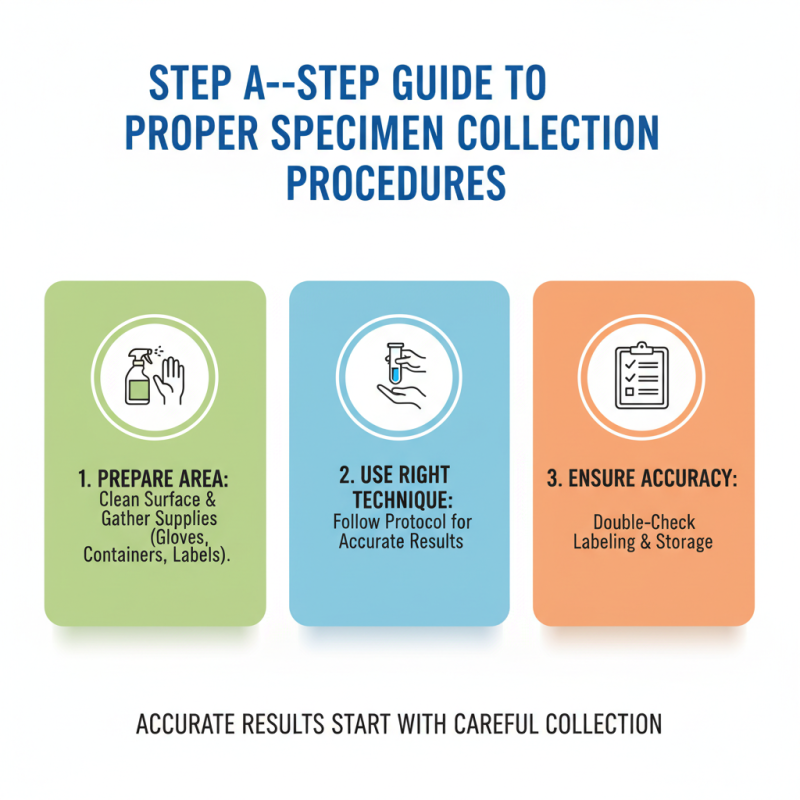
Collecting specimens requires a careful approach. The right techniques ensure accurate results. Start by preparing your collection area. Clean the surface and gather all necessary supplies. This may include gloves, containers, and labels.
When you are ready, wash your hands thoroughly. This reduces contamination risks. Depending on the type of specimen, use the appropriate tools. For example, blood samples need needles and vials. Follow the instructions closely. Mistakes can happen if you rush.
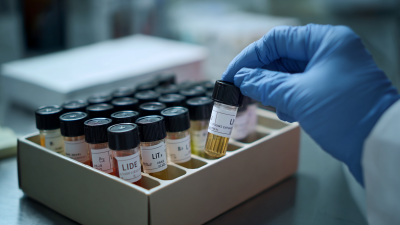
After collecting the sample, label it clearly. Include essential details like name and date. This avoids confusion later. Finally, store specimens according to guidelines. Some may need refrigeration, while others might not. Reflection on your methods will improve your skills over time.
Best Practices for Sample Storage and Transportation
Sample storage and transportation are critical for maintaining the integrity of specimens. According to a study by the Clinical Laboratory Standards Institute, improper handling can lead to a 30% decrease in sample quality. This loss can significantly impact diagnostic accuracy and public health outcomes. Ensuring that specimens are stored at the correct temperature during transport is essential. Many specimens require refrigeration at temperatures between 2°C and 8°C to minimize degradation.
Packaging is another critical aspect. Use insulated containers to prevent temperature fluctuations. A failure in packaging can expose samples to elements that compromise their viability. The World Health Organization emphasizes that over 20% of specimens transported experience delays due to inadequate packing. Moreover, clear labeling and swift transportation are vital. Samples should remain in transit for the shortest time possible. Delays increase the risk of contamination and spoilage.
Taking time to reflect on the processes is crucial. Are the sample storage protocols regularly updated? Have staff been trained in recent practices? Continuous evaluation can prevent mistakes. Attention to detail in specimen collection can save resources, time, and lives.
Understanding Common Challenges in Specimen Collection Management
Specimen collection management can be tricky. Many common challenges arise during the process. Understanding these hurdles is crucial for effective results.
One major issue is contamination. It can occur at any stage. Ensure that all equipment is sterile. Always wear gloves when handling specimens. Monitor the environment where specimens are collected. Unclean spaces lead to unreliable results.
Here are some tips for better management. Train staff regularly on correct techniques. Poorly informed personnel can mishandle specimens. Create clear protocols for collection and transport. Clarity prevents mistakes and confusion. Another consideration is proper labeling. Ensure each specimen has accurate information. Mislabeling can cause significant delays.
Reflect on your current practices. Are they minimizing errors? Regular audits can help identify weaknesses. Addressing these challenges leads to better outcomes in specimen collection.

 +86 178 5514 5298
 CONTACT NUMBER
 CONTACT NUMBER