Leave Your Message

Top Clinical Specimen Pad Suppliers for Global Buyers

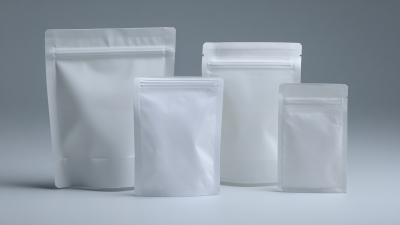
Choosing the right Clinical Specimen Pad supplier requires more than comparing prices or catalog images. Global buyers need reliable materials, consistent absorbency, clean packaging, and clear quality records. A suitable pad should protect work surfaces during specimen handling without shedding fibers or interfering with sample identification. Small details matter. A loose edge can create contamination concerns. Poor packaging can expose products to moisture during long-distance shipping.

Dr. Mario Plebani, a leading expert in laboratory medicine, has stated, “The preanalytical phase is the most vulnerable part of the total testing process.” This observation explains why Clinical Specimen Pad performance deserves careful evaluation before purchasing. Buyers should review absorbency capacity, material composition, dimensions, sterilization status, lot traceability, and packaging strength. They should also request samples and inspect them under practical conditions, such as beside a collection tray or inside a transport kit. Supplier audits, quality certifications, and responsive technical support can provide stronger evidence than promotional claims.

No supplier is perfect. That matters. Product consistency may change between batches, especially when specifications are vague. Freight delays, regional documentation, and language barriers can also complicate global procurement. A useful supplier comparison should therefore examine manufacturing experience, inspection procedures, customization options, and delivery reliability together. The leading Clinical Specimen Pad suppliers are not simply the cheapest manufacturers. They are dependable partners that help laboratories reduce handling risks, maintain orderly workflows, and protect specimen integrity from collection through processing.
Top Clinical Specimen Pad Suppliers for Global Buyers

Clinical Specimen Pads: Definition, Uses, and Key Features

Top Clinical Specimen Pad Suppliers for Global Buyers

Clinical Specimen Pads: Definition, Uses, and Key Features

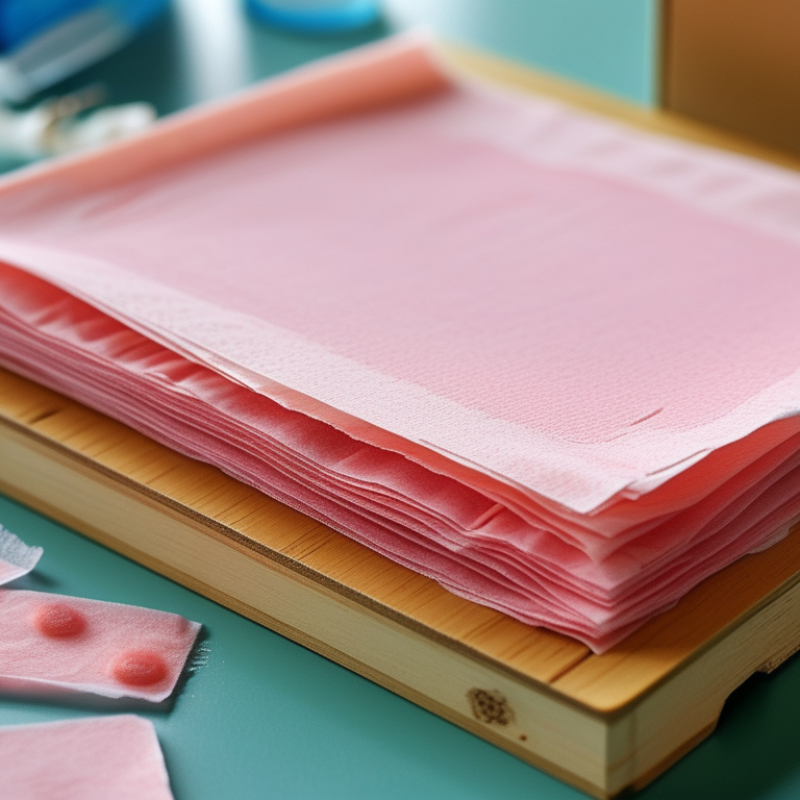
Clinical specimen pads are absorbent, disposable materials used to collect, protect, or transport biological samples. They can support blood, urine, swab, and tissue workflows, depending on their construction. A pad may sit inside a specimen bag, under a container, or around a sealed tube. Its main purpose is containment, not diagnosis. That distinction matters.

Healthcare teams use these pads to manage small leaks during collection and transport. A suitable pad can reduce surface contamination and protect labels from moisture. Key features include absorbency, low lint, chemical compatibility, and stable dimensions. Heat-sealed edges can limit fiber release. Secure packaging helps staff inspect the product before use. Some applications also require sterilization compatibility or documented lot traceability.

Global buyers should request performance data, packaging details, and quality certificates from potential suppliers. Ask how absorbency is tested, not only how much liquid the pad holds. Review contact materials, storage limits, and disposal instructions. A thicker pad is not automatically safer; it may waste package space. During evaluation, simulate upright tubes, rough handling, and delayed pickup. This can reveal weak seals or shifting pads. Practical trials often expose issues that product sheets hide. No single specification fits every laboratory. Buyers should verify regional requirements with qualified quality and regulatory professionals.


Types of Clinical Specimen Pads for Different Healthcare Settings

Clinical specimen pads serve different purposes across healthcare settings, so one format rarely fits every workflow. In collection rooms, absorbent bench pads help manage small drips during blood, urine, or swab preparation. They should have a stable backing and a surface that stays intact when wet. Some clinics prefer sterile pads for procedures involving open containers, while routine collection may use clean, non-sterile options.

Laboratories often need highly absorbent sheets for tube racks, work trays, and short handling steps. Pathology departments may choose thicker pads that resist tearing near formalin containers, although chemical compatibility must be checked with the supplier. For specimen transport, pouch inserts and sealed absorbent liners can help contain leakage inside approved packaging. They do not replace compliant outer packaging or trained handling procedures. In busy emergency units, compact tray liners save setup time, but thin materials may saturate quickly. That trade-off is easy to overlook.

Tips: Match pad size to the largest container, not the smallest. Check absorbency using realistic fluid volumes. Confirm sterile status, backing material, disposal requirements, and storage conditions before ordering. Global buyers should request test data, lot information, and clear packaging instructions. A lower unit price can become expensive when pads tear, shift, or require replacement. We have found that staff feedback matters; a technically strong pad may still fail if it slides on a stainless-steel tray. Reassess after real use.

Top Clinical Specimen Pad Suppliers for Global Buyers - Types of Clinical Specimen Pads for Different Healthcare Settings
Healthcare Setting Typical Specimen or Application Common Pad Construction Sterility Options Absorbency Profile Leak-Barrier Design Common Size Range Key Buyer Criteria
Hospitals and Emergency Departments Blood draws, wound swabs, drainage samples, and general bedside collection. Cellulose or air-laid absorbent core with a soft nonwoven top sheet. Non-sterile for routine use; sterile versions for open wounds and invasive procedures. Medium to high absorption for small-to-moderate fluid spills. Optional polyethylene or polypropylene moisture-resistant backing. Approximately 10 × 10 cm to 30 × 40 cm. Fast fluid uptake, low lint, clean separation, and compatibility with clinical waste procedures.
Phlebotomy and Outpatient Clinics Venipuncture, capillary collection, injection sites, and minor specimen handling. Thin folded tissue or cellulose pad, frequently covered with soft nonwoven material. Usually non-sterile; sterile packs may be selected for specific procedures. Low to medium absorption for small amounts of blood or antiseptic solution. Usually unbacked; laminated versions provide additional surface protection. Approximately 5 × 5 cm to 10 × 20 cm. Compact packaging, easy tearing, low fiber release, and economical unit cost.
Operating Rooms and Procedure Suites Specimen collection during surgery, biopsy handling, and fluid management around sterile fields. Sterile nonwoven or cotton-like absorbent material, sometimes with a radiopaque marker for surgical sponges. Sterile, individually packaged, and supplied with lot traceability. High absorption with adequate wet strength during handling. May include a fluid-resistant backing for non-contact support areas. Approximately 10 × 20 cm to 30 × 40 cm. Sterilization validation, lint control, wet strength, count control, and visible identification features.
Pathology and Histology Laboratories Tissue biopsies, gross examination, fluid containment, and specimen tray lining. Low-lint cellulose, absorbent paper, or nonwoven laboratory pad with a smooth contact surface. Usually non-sterile; sterile supply is selected when required by the workflow. Controlled absorption designed to reduce pooling without excessive specimen adhesion. Polyethylene-backed or laminated options help protect work surfaces. Approximately 15 × 20 cm to 45 × 60 cm. Low lint, chemical compatibility, clean cutting, flatness, and resistance to tearing when wet.
Microbiology Laboratories Specimen receiving, container leakage control, and bench protection during culture processing. Absorbent cellulose or synthetic fiber core with a nonwoven surface layer. Non-sterile for bench protection; sterile versions may be used for controlled procedures. Medium to high absorption for transport-container leaks and small spills. Liquid-resistant backing or sealed edges are commonly preferred. Approximately 20 × 25 cm to 40 × 60 cm. Compatibility with disinfectants, secure containment, low shedding, and easy disposal.
Specimen Collection and Transport Areas Secondary containment for blood, urine, swab, tissue, and other diagnostic specimens. Multi-layer pad with absorbent core and sealed, moisture-resistant outer layer. Generally non-sterile; sterility depends on the specimen and packaging procedure. Rated to retain the full liquid volume of the primary container when properly selected. Required; sealed polyethylene or equivalent liquid-resistant film is commonly used. Selected according to package size, commonly 10 × 15 cm to 30 × 40 cm. Absorption capacity, sealed construction, dimensional consistency, packaging fit, and transport compliance.
Dialysis and Renal Care Units Bloodline connection management, access-site care, and protection from small fluid leaks. Soft cellulose or nonwoven absorbent layer, sometimes combined with a waterproof backing. Non-sterile for surface protection; sterile for direct access-site applications. Medium absorption with rapid uptake. Moisture-resistant backing is useful around equipment and treatment chairs. Approximately 10 × 10 cm to 30 × 40 cm. Low lint, skin-friendly surface, fluid control, easy placement, and reliable packaging.
Veterinary Clinics and Animal Hospitals Blood collection, wound care, surgical sampling, and specimen transport. Cellulose or synthetic absorbent core with nonwoven cover; larger pads are available for animal procedures. Both sterile and non-sterile formats are used. Medium to high absorption depending on animal size and procedure. Optional waterproof backing for examination tables, cages, and transport containers. Approximately 10 × 20 cm to 60 × 90 cm. Size range, tear resistance, odor control, disposal method, and overall absorbency.
Home Healthcare and Community Nursing Wound dressing support, catheter care, minor specimen collection, and surface protection. Soft nonwoven or cellulose pad with a simple absorbent core. Sterile individually wrapped pads for wound contact; non-sterile pads for surface protection. Low to medium absorption for routine community-care tasks. Water-resistant backing is preferred when protecting furniture or household surfaces. Approximately 10 × 10 cm to 60 × 90 cm. Simple opening, clear labeling, compact storage, skin comfort, and disposal convenience.
Central Laboratories and High-Volume Testing Sites Automated accessioning, specimen receiving, rack handling, and spill-control stations. Machine-cut cellulose or synthetic absorbent sheets with consistent thickness and dimensions. Normally non-sterile for routine laboratory operations. Consistent medium to high absorption across production batches. Backed or unbacked formats depending on whether the pad is used inside trays or on benches. Custom and standard sizes, commonly 20 × 25 cm to 45 × 60 cm. Batch consistency, automation compatibility, pallet efficiency, quality documentation, and supply continuity.
Buyer note: Pad performance depends on material, construction, fluid type, specimen volume, and intended contact. Sterile products should be selected only when the clinical procedure requires sterility, and all specifications should be verified against the applicable healthcare, transport, and waste-handling requirements.

Essential Criteria for Evaluating Global Pad Suppliers

Top Clinical Specimen Pad Suppliers for Global Buyers
Essential Criteria for Evaluating Global Pad Suppliers

Reliable clinical specimen pad sourcing begins with product evidence, not attractive catalogues. Request material composition, absorption capacity, dimensions, weight tolerance, and packaging specifications. A suitable pad should match the specimen container and remain stable during handling. Ask whether performance testing uses a consistent method. Otherwise, supplier comparisons become misleading.

Inspect physical samples before approving large orders. Check edge sealing, fiber shedding, compression recovery, and moisture retention. Test pads with the intended liquid volume and storage conditions. Small details matter. A pad that looks absorbent may release moisture under pressure. I would not rely on appearance alone. This is where my own evaluation could be stricter: a simple bench test cannot replace validated laboratory data.

Supplier credibility also depends on traceability and communication. Look for batch records, inspection reports, corrective-action procedures, and clear change-control policies. Confirm whether production follows a documented quality system, such as ISO 13485 where applicable. Global buyers should review export packaging, labeling, lead times, minimum order quantities, and backup capacity. Ask how quickly the supplier reports defects. Delayed answers are useful evidence. Strong technical support should explain limitations, not promise perfection. A supplier that welcomes audits, provides stable samples, and documents every specification is easier to evaluate across markets.

Leading Supplier Regions and International Sourcing Considerations

Top Clinical Specimen Pad Suppliers for Global Buyers

Leading supplier regions differ in manufacturing strengths, documentation, and delivery reliability. East Asian suppliers often provide scalable converting, competitive pricing, and flexible packaging formats. European producers may offer strong quality systems, traceability, and consistent material specifications. North American suppliers can support regional inventory, faster communication, and familiar regulatory documentation.

Buyers should compare more than unit cost. Request absorbency data, dimensions, material composition, lot controls, and shelf-life evidence. Confirm whether the pad suits the specimen container and transport configuration. ISO 13485 and ISO 11607 alignment may be relevant, depending on the product’s intended use. Import rules, customs classification, language requirements, and temperature exposure also deserve attention. A lower price can hide higher inspection or storage costs.

Tips: Ask for production samples from several lots. Check wet-strength performance after saturation. Review the supplier’s change-control process. Confirm packaging integrity after simulated shipping. Do not assume a large factory is automatically safer. A smaller supplier may provide better technical attention, but capacity risks need careful review. I would also test communication speed before signing a long-term agreement. One overlooked detail, such as inconsistent pad placement, can affect handling efficiency and create avoidable waste.

Top Clinical Specimen Pad Supplier Regions for Global Buyers

Representative sourcing locations compared by the World Bank Logistics Performance Index (LPI) 2023 overall score.

Higher LPI scores indicate stronger overall logistics performance, including customs, infrastructure, international shipments, logistics competence, tracking, and timeliness. The index is a location-level sourcing indicator and does not represent market share or the performance of any individual supplier.

International buyers should also verify ISO 13485 quality systems, product materials and absorbency specifications, sterilization requirements where applicable, regulatory documentation, packaging integrity, minimum order quantities, lead times, and destination-country import rules.

Quality, Compliance, Packaging, and Delivery Standards

Top Clinical Specimen Pad Suppliers for Global Buyers

Reliable clinical specimen pad suppliers must prove more than production capacity. Buyers should review quality systems, manufacturing records, and product consistency. Relevant certifications, such as ISO 13485, can support confidence when properly verified. They do not replace independent due diligence. Ask for batch records, certificates of analysis, material specifications, and traceability from raw materials to shipment.

Packaging directly affects product safety and usability. Each pad should have clear lot identification, expiry information, and handling instructions. Sterile products may require validated peel pouches and a documented sterilization process. Moisture-resistant cartons can protect shipments during humid sea transport. Labels should match destination-market requirements. Small errors matter. A missing lot code can delay release or complicate an investigation. Delivery standards also need measurable details, including confirmed lead times, production capacity, inspection points, and contingency plans for customs delays. A polished brochure is not proof of dependable performance. Samples and a controlled pilot order reveal more.

Tips: Request recent audit evidence, packaging samples, and a written change-notification policy. Check whether the supplier reports nonconformities honestly. Fast replies are useful, but accurate replies matter more. Compare carton dimensions, pallet stability, and temperature requirements before approving shipment. Review delivery performance over several orders, because one successful shipment may be luck.