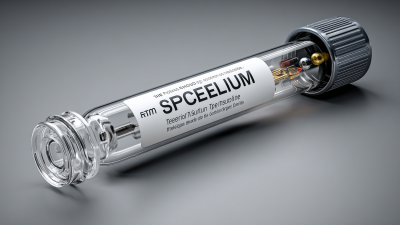
What is a specimen tube and how is it used?
A specimen tube is an essential tool in various scientific and medical fields. These small, often cylindrical containers hold biological samples for analysis. Their design is crucial for maintaining sample integrity. Specimen tubes come in different materials and sizes, tailored for specific tests. This versatility makes them valuable in laboratories and clinics.
The usage of specimen tubes is vast. They are commonly used in blood tests, urine analysis, and microbiological cultures. Each type of specimen tube caters to different requirements, such as preventing contamination or preserving chemical properties. However, improper handling can compromise the sample. Ensuring the right tube is used for each test enhances accuracy.
While specimen tubes are reliable, challenges exist. Mislabeling or confusion about the type can lead to errors. Lab technicians must remain diligent to avoid such mistakes. Understanding the significance of specimen tubes is vital in ensuring quality care and accurate results in medical testing.

What is a Specimen Tube? A Comprehensive Overview
A specimen tube is a laboratory container designed to hold samples for analysis. These tubes come in various materials and sizes, depending on the intended use. Medical professionals often utilize them for blood, urine, and tissue specimens. Each type of specimen tube has specific features that prevent contamination and preserve the integrity of the sample.
Proper usage of specimen tubes is vital for accurate test results. For instance, some tubes contain additives, like anticoagulants, which prevent clotting in blood samples. Recognizing the correct tube type for each test is essential. Misusing a tube can lead to erroneous results and misguided diagnoses.
Tips:
- Always label tubes clearly after filling them. This ensures proper identification.
- Keep tubes upright during transport to avoid spillage.
- Regularly check expiration dates on tubes to maintain reliability.
These simple practices can significantly improve lab efficiency.
Types of Specimen Tubes: Materials and Uses in Laboratory Settings
Specimen tubes are essential tools in laboratories. They come in various types, each designed for specific tests and purposes. The primary materials used in their production include glass and plastic. Glass tubes are often preferred for chemical tests, while plastic is widely used in blood collection.
One of the most common types is the blood collection tube. This tube can be treated with additives to help preserve the sample. For instance, EDTA tubes are used for hematology tests, while serum separator tubes are crucial for biochemical analyses. According to industry reports, the global market for specimen tubes is expected to reach $6.4 billion by 2026, reflecting their importance in diagnostic processes.
Tips: Always ensure the tube's labeling matches the patient’s information. Regularly inspect tubes for damage or defects. Proper storage conditions are vital to maintain sample integrity. Mistakes often happen when labeling is rushed; double-check your work.
In addition, the use of color-coded caps can enhance efficiency in sample identification. However, reliance on colors alone may introduce errors. Many labs emphasize training to avoid these pitfalls. Continuous education helps reduce errors in the sampling process, leading to more accurate results.
What is a specimen tube and how is it used? - Types of Specimen Tubes: Materials and Uses in Laboratory Settings
| Type of Specimen Tube |
Material |
Common Uses |
Additives |
Volume (ml) |
| Blood Collection Tube |
Plastic/Glass |
Blood tests, serology |
Anticoagulants, gel separators |
5-10 |
| Urine Specimen Container |
Plastic |
Urinalysis, culture tests |
None |
50-100 |
| Serum Separator Tube |
Plastic |
Serum testing, biochemistry |
Gel separator, clot activator |
6-10 |
| Citrate Tube |
Plastic |
Coagulation studies |
Sodium citrate |
2.7 |
| EDTA Tube |
Plastic |
Complete blood count, blood smears |
EDTA |
4-10 |
The Role of Additives in Specimen Tubes and Their Impact on Results
Specimen tubes are critical in the collection and preservation of biological samples. The role of additives in these tubes cannot be underestimated. Additives are substances added to the tubes to help stabilize samples. They can enhance sample quality and ensure accurate test results. Common additives include anticoagulants and preservatives, each serving specific purposes.
For instance, anticoagulants prevent blood from clotting during analysis. This allows for precise measurement of various components in the blood. However, choosing the wrong additive can lead to misleading results. A tube with the wrong anticoagulant might yield unexpected values in tests. Moreover, improper handling or storage of samples can also impact results.
The interaction between additives and samples creates many variables to consider. Some additives react with specific components, altering their integrity. Understanding these interactions is vital for laboratory professionals. They must be aware of how each additive can influence the final results. Despite advancements in technology, human oversight remains crucial. Maintaining the quality of results often depends on careful selection and use of specimen tubes and additives.
Best Practices for Specimen Tube Handling and Storage in Clinical Labs
Specimen tubes are essential in clinical laboratories. They help collect and store samples like blood, urine, and tissues. Handling these tubes correctly is crucial to ensure accurate test results.
Best practices for handling specimen tubes include wearing gloves and using proper labeling techniques. When labeling, include patient information and collection dates. This prevents mix-ups and delays. Always check for cracks or leaks before use. A damaged tube can compromise the sample.
Storage conditions matter too. Specimen tubes should be stored in a cool, dry place. Some samples require refrigeration. Proper temperature control maintains sample integrity. Regularly check storage equipment to ensure it functions well. Small lapses can lead to significant consequences. The goal is to maintain high standards in laboratory testing.
Understanding Diagnostic Tests: How Specimen Tubes Affect Sample Integrity
Specimen tubes are crucial in diagnostic testing. They are the containers used to collect and transport biological samples. Proper use of these tubes is essential to maintain sample integrity. Each tube is designed with specific additives, like anticoagulants, that influence test results. Choosing the wrong tube can lead to inaccurate results.
The materials and design of specimen tubes directly affect the sample. For instance, plastic and glass tubes have different properties. Plastic may cause adsorption of certain substances, impacting the analysis. Also, the volume filled should follow standard guidelines. Underfilling or overfilling can compromise the sample quality.
Even within a controlled environment, mistakes happen. Sometimes, a tube may not be properly labeled. Mislabeling leads to challenges in diagnostics. Quality control is vital in the lab process. Professionals must routinely check storage conditions and expiration dates of tubes. Fragility and contamination are also frequent concerns. It’s a reminder that even small details can make a significant difference in patient care.

 +86 178 5514 5298
 CONTACT NUMBER
 CONTACT NUMBER