Top Specimen Tube Types Explained for Lab Professionals?
The choice of specimen tube has significant implications for laboratory results. Different tube types serve unique purposes, each impacting the quality of the specimen collected. According to a report by the Clinical Laboratory Standards Institute, nearly 30% of lab errors stem from improper specimen handling. Selecting the right specimen tube is crucial to ensure accurate diagnostics.
Specimen tubes come in various materials and additives, such as EDTA for plasma and silica for serum. Each design supports different testing methods. An article from the Journal of Clinical Pathology highlighted that using the correct tubes can enhance test specificity by over 25%. However, lab professionals often overlook the significance of these choices, resulting in potential inaccuracies.
Despite advancements in specimen tube technology, challenges remain. Improper storage or handling can compromise results, leading to safety concerns. Acknowledging these imperfections allows for improvement in sample collection practices. Ensuring proper training on specimen tubes is essential in reducing error rates in laboratories. The path to reliable results begins with understanding specimen tube types.
Overview of Specimen Tube Types in Medical Laboratories
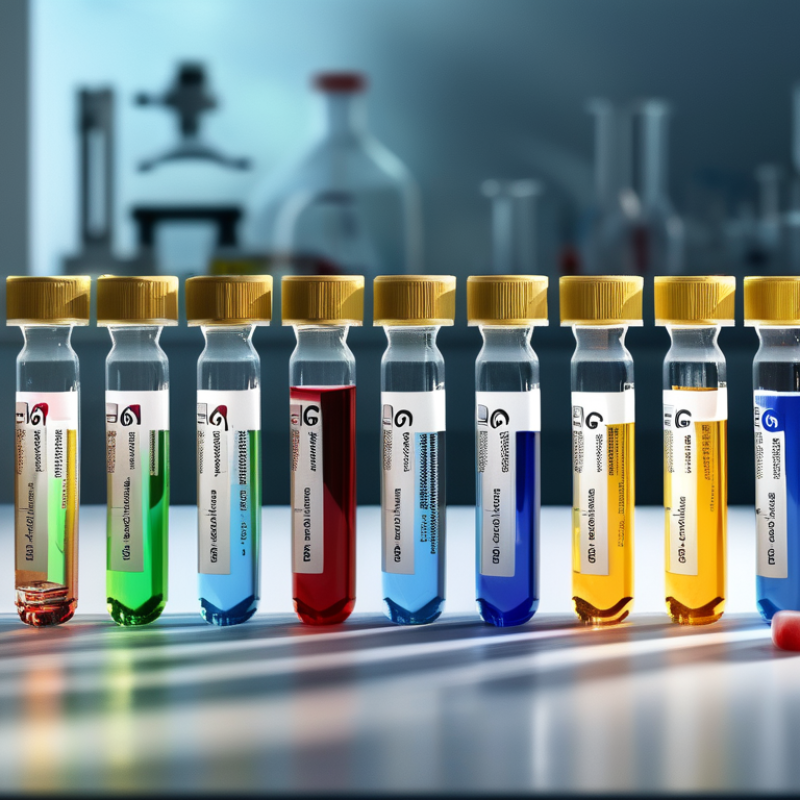
In medical laboratories, specimen tubes play a fundamental role in diagnostics. Different types of tubes serve specific purposes, impacting the quality of test results. Understanding the characteristics of each type is crucial for lab professionals.
For instance, yellow-top tubes are generally used for serum separation. They contain additives that promote clotting and are vital for many blood tests. On the other hand, lavender-top tubes are designed for hematology tests. They contain EDTA, an anticoagulant that preserves cell morphology. This specificity can help avoid errors in test interpretation.
Tips: Always verify the proper tube type for each test. Misuse can lead to inaccurate results.
Despite advancements, labs may still face challenges. Sometimes, tubes may not be properly filled, which can affect sample integrity. It's essential to maintain a checklist for tube usage to minimize these issues.
Further, the color coding of tubes is not uniform worldwide. This discrepancy can lead to confusion. Continuous education and adherence to standard protocols are necessary for consistency in patient care.
Materials Used in Specimen Tube Manufacturing
Specimen tubes play a critical role in laboratory testing. The materials used for their manufacturing significantly impact their performance and reliability. Common materials include glass and various plastics. Each material has unique properties that can affect specimen integrity.
Glass tubes are often preferred for their chemical resistance. They are inert and do not leach chemicals into samples. This gives them an edge for sensitive tests. On the other hand, plastic tubes are lightweight and shatterproof. They are ideal for high-volume labs. However, they may absorb certain substances over time.
Tips: Always choose the right material based on the intended tests. Consider the properties of each material carefully. For example, plastic may not be suitable for volatile compounds.
Transparency in specimen tubes also varies. Clear tubes allow for direct observation of the sample. However, colored tubes serve specific purposes, such as blocking light for photosensitive tests. Ensure your selection suits the specific needs of your lab.
Tips: Don’t overlook the tube's design. Some tubes come with special features like safety caps or built-in anticoagulants. Assess whether these features align with your workflow and testing protocols. Reflect on your choices; the right tube can make a difference in test outcomes.
Common Additives and Their Functions in Specimen Tubes
When selecting specimen tubes, understanding additives is crucial for lab professionals. Additives are substances that improve the accuracy and reliability of test results. They play specific roles, such as promoting clotting or preserving samples. For example, serum separator tubes contain gel that facilitates serum separation. This is vital for many biochemical tests that require serum rather than whole blood.
Anticoagulants are another essential category. Heparin and EDTA prevent blood from clotting, allowing for the analysis of cellular components. Each anticoagulant has distinct functions, influencing various tests. The choice of additive may affect the outcome, and improper selection can lead to flawed results. Not all additives work well with every test, which raises concerns about compatibility and accuracy.
In practice, it’s common to encounter challenges related to additives. A laboratory might not always have the necessary tubes on hand, leading to potential delays. Furthermore, some lab professionals may feel uncertain about the best practices for using certain tubes. Continuous education and open discussions about these topics can greatly enhance reliability in sample testing.
Choosing the Right Tube for Specific Laboratory Tests
When selecting specimen tubes for laboratory tests, understanding the specific requirements of each test is crucial. Different tubes serve distinct purposes based on their additives and materials. For example, a serum tube generally contains a gel separator, ideal for biochemistry tests. In contrast, an EDTA tube is used for hematology tests, preventing blood clotting effectively. Knowing these differences ensures accurate test results and patient safety.
Tips for selecting the right tube: always check the test requisition for specific tube recommendations. It's vital to verify that the tubes are unexpired and free from contamination. Any oversight here can compromise the test, leading to unreliable results.
Another consideration involves the order of draw. Using the appropriate tube in the correct sequence minimizes cross-contamination. For example, if a serum tube is drawn after an EDTA tube, carryover could affect the chemistry results. Monitoring these small details reflects a high standard of practice. It's essential for lab professionals to stay educated on tube types and their applications, fostering an environment of accuracy and reliability.
Top Specimen Tube Types Explained for Lab Professionals
| Tube Type |
Additive |
Common Uses |
Sample Type |
| EDTA Tube |
Ethylenediaminetetraacetic acid |
Hematology tests, Blood counts |
Whole Blood |
| Citrate Tube |
Sodium Citrate |
Coagulation studies |
Plasma |
| Serum Tube |
Clot activator, Gel separator |
Biochemical tests, Serology |
Serum |
| Heparin Tube |
Heparin |
Plasma chemistry tests |
Plasma |
| Glass Serum Tube |
None |
Drug levels, Hormone tests |
Serum |
Best Practices for Specimen Tube Handling and Storage
Handling and storing specimen tubes requires attention to detail and adherence to best practices.
Temperature control is crucial. Many specimens must remain within specific temperature ranges to ensure stability. For example, blood samples should be kept cool, while certain urine samples might need to be at room temperature. Regularly monitoring the environment mitigates degradation risks.
Proper labeling of specimen tubes is vital too. Clear labels prevent misidentification. Taking a moment to confirm details can save significant time in the lab. Using color-coded caps can also be beneficial but requires staff training to ensure everyone understands the meanings.
Cleaning and sanitizing workspaces is another critical element. Contaminated work surfaces can lead to compromised samples. Staff should regularly review their cleaning protocols. A small oversight can lead to significant issues. Continuous improvement in standards of practice is essential for laboratory reliability.

 +86 178 5514 5298
 CONTACT NUMBER
 CONTACT NUMBER