Top 10 Tips for Choosing the Right Vacuum Blood Collection Tube
Choosing the right vacuum blood collection tube is a critical step in ensuring accurate and reliable laboratory results. With a wide variety of tubes available, ranging from different materials to varying additives, it can be challenging for healthcare professionals to navigate the selection process. The importance of using the appropriate vacuum blood collection tube cannot be understated, as it directly impacts the quality of the blood sample and, consequently, the reliability of diagnostic tests.
In this guide, we will explore the top 10 tips for selecting the ideal vacuum blood collection tube tailored to specific testing requirements. Factors such as tube type, additive compatibility, and sample volume will be thoroughly examined. Understanding these elements will help healthcare providers make informed decisions, ultimately leading to optimal patient care. Whether you are a seasoned professional or new to the field, these tips will serve as a valuable resource in simplifying the process of choosing the right vacuum blood collection tube, ensuring both efficiency and accuracy in laboratory testing.

Understanding the Purpose of Vacuum Blood Collection Tubes
Vacuum blood collection tubes play a crucial role in modern medical practices by ensuring the safe and efficient collection of blood samples for various diagnostic tests.
These tubes are designed to create a vacuum that draws blood directly from a venipuncture site, minimizing the risk of contamination and ensuring accurate test results.
Understanding the purpose of these tubes is essential for healthcare providers when selecting the appropriate type for specific tests, as different tubes contain various additives that can affect the stability and preservation of the blood sample.
Each type of vacuum blood collection tube is engineered for particular applications, such as serum, plasma, or whole blood analysis, making it vital to match the tube with the intended laboratory test.
Some tubes contain anticoagulants to prevent clotting, while others include additives that promote coagulation or preserve cellular components.
Familiarity with these functions not only helps in achieving reliable laboratory outcomes but also optimizes the workflow during blood sample processing.
Therefore, recognizing the significance of vacuum blood collection tubes enhances both the efficiency and efficacy of diagnostic processes in clinical settings.
Key Factors to Consider in Tube Selection
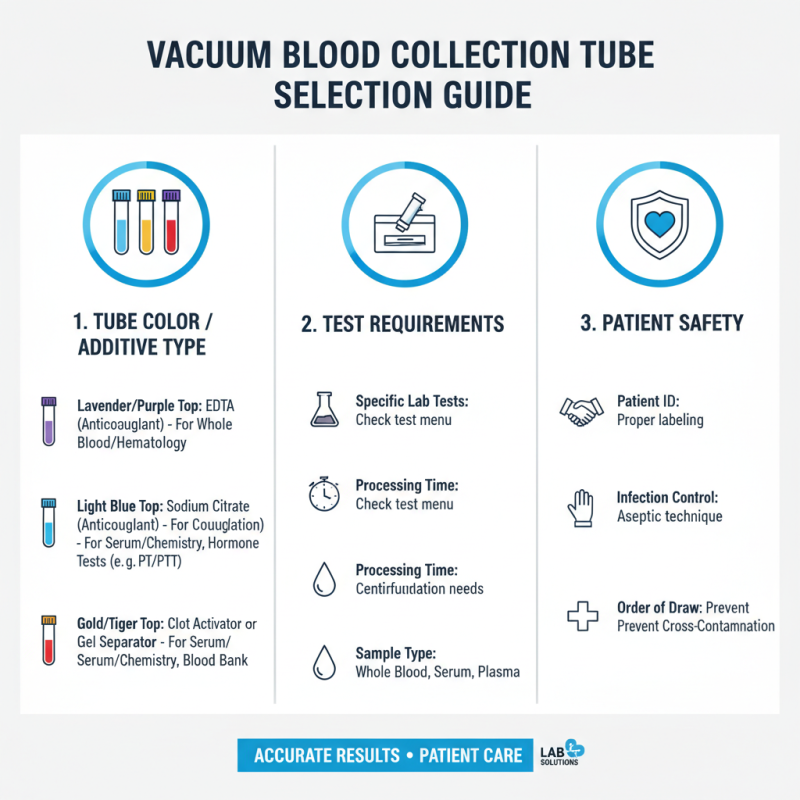
When selecting the right vacuum blood collection tube, it's essential to consider several key factors that ensure accurate testing and patient safety. The choice of tube color, which indicates the type of additive contained, plays a crucial role. For instance, tubes with anticoagulants are preferable when you need to prevent blood from clotting, while serum collection tubes are used for tests requiring serum. Understanding the specific requirements of the tests being conducted will guide you in choosing the appropriate tube.
Another important factor is the tube's volume. Selecting a tube with the correct volume is vital to ensure that the blood-to-additive ratio is proper, particularly for tests requiring precise measurements. Insufficient or excessive blood can lead to inaccurate test results, which can ultimately affect patient diagnosis and treatment. Additionally, consider the compatibility of tubes with the analyzers or equipment used in the laboratory, as not all tubes are universally compatible.
Lastly, evaluate the material and integrity of the blood collection tubes. High-quality materials prevent contamination, which is critical for obtaining reliable test results. Look for tubes that have been tested for their integrity under varying storage conditions to ensure that they will perform well over time. By paying attention to these key factors, you can make an informed decision that upholds the standard of care in your medical practice.
Types of Additives and Their Effects on Sample Quality
When selecting vacuum blood collection tubes, understanding the types of additives and their effects on sample quality is crucial. Additives can significantly influence the stability and integrity of the blood sample, making it essential to choose the appropriate type based on the intended analysis. For instance, anticoagulants like EDTA, heparin, and citrate are commonly used to prevent coagulation in blood samples. EDTA is particularly effective for hematological tests, while citrate is suited for coagulation assessments. Each additive alters the blood sample's properties, potentially affecting test outcomes if not matched correctly to the assay requirements.
Additionally, certain collection tubes may contain preservatives or gel separators that enhance the quality of serological and biochemical testing. Gel tubes, for example, allow for the separation of serum from cells after centrifugation, which can improve the longevity and reliability of biochemical analyses. It is important to take note of the effects that these additives can have on various analytes—some substances can be degraded or altered by certain chemicals, leading to inaccurate results. Therefore, familiarity with the additives in use is essential for maintaining high-quality sample integrity and ensuring reliable laboratory results.
Evaluating Tube Sizes and Volumes for Different Tests
When selecting the right vacuum blood collection tube, it's crucial to consider the sizes and volumes tailored for specific tests. Blood tests vary in their requirements, with some needing a larger volume of blood to ensure accuracy, while others might only require a small amount. For instance, tests such as complete blood counts usually demand larger tubes, generally around 4 to 6 milliliters, to provide an adequate sample for analysis. Conversely, certain assays, like those for specific hormones or drugs, may be accurately conducted with smaller volume tubes.
The choice of tube size also impacts the anticoagulant or additive within the tube, which can affect the integrity of the sample collected. Different tests have specified tube types that optimize sample preservation and analyte stability. For example, coagulation tests necessitate precise ratios of blood to anticoagulant, thus underscoring the importance of selecting tubes with appropriate volumes. By understanding the requirements of various tests, healthcare professionals can better ensure that they are collecting the right samples, leading to more reliable and accurate diagnostic results.
Ensuring Proper Storage and Expiration Dates of Blood Collection Tubes
When selecting a vacuum blood collection tube, ensuring proper storage and being aware of expiration dates are crucial steps to maintain the integrity of blood samples. Blood collection tubes are often sensitive to environmental conditions; therefore, they should be stored in a cool, dry place away from direct sunlight. Improper storage can lead to chemical degradation, impacting both the quality of the sample and the reliability of test results. It’s essential to keep tubes in their original packaging until use, as this helps safeguard them from contamination and environmental factors that could compromise the material.
Expiration dates on blood collection tubes also play a vital role in laboratory practices. Each tube has a specific shelf life, which is determined based on the materials used and the anticoagulants present. Using tubes beyond their expiration date can result in altered sample characteristics, leading to inaccurate test outcomes. Laboratories should regularly review their stocks, ensuring that older tubes are utilized first and that none are used past their expiration dates. Implementing an efficient inventory management system can help clinics and labs keep track of tubes and maintain the highest quality standards in blood sample collection and analysis.
Top 10 Tips for Choosing the Right Vacuum Blood Collection Tube

 +86 178 5514 5298
 CONTACT NUMBER
 CONTACT NUMBER