Top 10 Specimen Tube Types You Need to Know About?
Understanding various specimen tube types is essential for laboratory professionals. Each tube serves a specific purpose in collecting and storing biological samples. The right specimen tube ensures accurate test results and proper sample handling.
Specimen tubes come in different colors, sizes, and materials. They are designed for specific tests or processes, such as blood collection or microbiological analysis. This variety can be overwhelming for new technicians. It's crucial to choose the correct tube type to avoid contamination or incorrect results.
Common errors occur when the wrong specimen tube is used. For example, using a tube without an anticoagulant for a test requiring one can lead to significant issues. Familiarizing yourself with these top 10 specimen tube types can greatly enhance efficiency in the lab. Not only is this knowledge practical, but it also impacts patient care directly. Understanding these elements is vital for success in any laboratory setting.

Understanding the Importance of Specimen Tubes in Laboratory Testing
Specimen tubes play a critical role in laboratory testing. They are essential for collecting, preserving, and transporting biological samples. According to a report by the Clinical Laboratory Standards Institute, improper handling of specimen tubes can lead to inaccurate test results in up to 15% of cases. This emphasizes their importance.
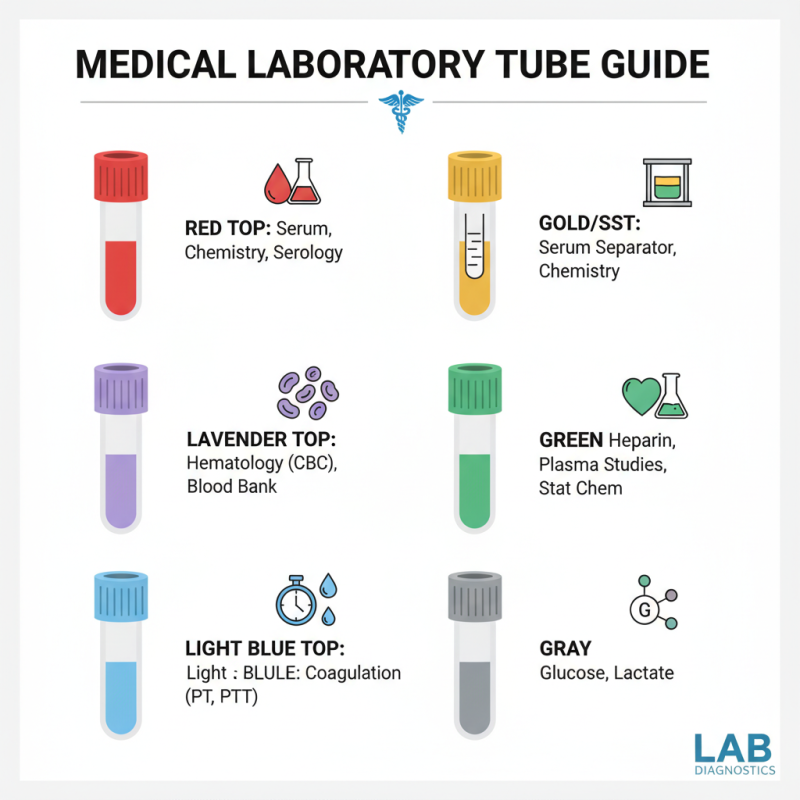
Different types of specimen tubes exist for various tests. For example, tubes with anticoagulants serve to prevent blood clotting. They come in multiple colors, each indicating a specific additive. There is a surprising lack of standardization across the industry. This can confuse lab technicians and lead to mistakes. Some laboratories still use outdated tubes, risking the quality of results.
Moreover, these tubes must be labeled correctly and handled with care. A mislabeling error can have severe consequences. An estimated 20% of laboratory errors stem from sample misidentification. Clear guidelines are necessary, and training is essential. Each tube type serves its purpose, but awareness and diligence are crucial in their usage.
Key Features and Materials of Common Specimen Tube Types
Specimen tubes are essential for various laboratory tests. Different types serve specific purposes. Each type has unique features and materials that affect their functionality.
Vacutainer tubes are common in blood collection. They are often made from plastic or glass. Color-coded caps indicate the type of additive inside. For example, red-top tubes are for serum, while purple-top tubes contain EDTA. Their clarity and durability are crucial for accurate results.
Another type is the culture tube. These tubes usually feature a special design to facilitate microbial growth. They are often made of glass to prevent contamination. While they may be effective, proper handling is essential to maintain sterility. Failure to do so can compromise test accuracy.
Proper knowledge of these tubes is fundamental for lab professionals. Understanding the characteristics ensures the best practices in specimen collection. Not all tubes are suitable for every test. Misusing a tube can lead to reflection and learning opportunities for improvement.
Best Practices for Handling and Storing Specimen Tubes
Handling specimen tubes requires careful attention. Proper storage is crucial for maintaining sample integrity. Tubes should be kept in one centralized location. Temperature control is vital; most samples need refrigeration. An organized system helps prevent mix-ups. Labeling is equally important. Each tube must have clear, legible identification.
Regularly inspecting the tubes is essential. Look for any signs of damage or leakage. A small crack could compromise the sample. It's easy to miss these details in a busy lab environment. Only trained personnel should handle tubes, minimizing contamination risks.
Preparing a protocol for tube handling can help reduce errors. Errors lead to retests, wasting time and resources. Education on best practices is necessary. Training new staff ensures everyone understands the protocols. Regular refreshers keep everyone informed.
It's easy to overlook routine procedures, but consistency matters. Each step in handling and storing tubes contributes to overall success. Make it a habit to check and double-check processes. It’s the small actions that safeguard valuable specimens.
Emerging Innovations and Trends in Specimen Tube Technology
In the evolving world of specimen tube technology, innovation plays a significant role. Recent reports indicate that the market for specimen tubes is projected to grow at a compound annual growth rate (CAGR) of 8.5% through 2028. This growth is fueled by advancements in materials and designs that enhance specimen integrity and usability. Emerging trends include the use of eco-friendly materials and specialized coatings to reduce contamination risk.
Tips: Always ensure proper labeling on your specimen tubes. Mislabeling can lead to serious errors in diagnostic results. Consider tubes with integrated RFID tags for improved tracking.
The rise of smart specimen tubes is another notable trend. These tubes can monitor temperature and conditions in real-time, ensuring specimens remain viable. Data shows that around 15% of specimens get compromised due to storage issues, highlighting the importance of such innovations. Some laboratories are still hesitant to adopt these technologies. They worry about the integration costs and technical training required.
Tips: Regularly assess your laboratory's current needs. This helps identify when to adopt new technologies. Keep an eye on user feedback for any new tube types.
Top 10 Specimen Tube Types You Need to Know About

 +86 178 5514 5298
 CONTACT NUMBER
 CONTACT NUMBER