2026 Top Biohazard Sample Bags for Safe Global Shipping?
In the evolving landscape of medical and research logistics, the significance of biohazard sample bags cannot be overstated. Dr. Emily Carter, a leading expert in infectious disease safety, emphasizes, "Proper containment of biohazardous materials is crucial for public health." The global demand for safe and reliable shipping solutions has led to innovations in the production and design of these critical containment bags.
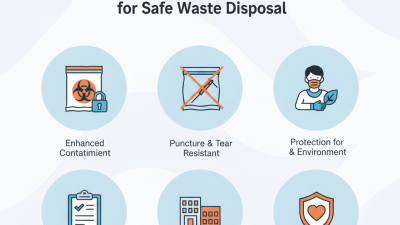
As we look toward 2026, the focus intensifies on the durability and security features of biohazard sample bags. These bags must withstand various conditions during transport while ensuring samples remain uncontaminated and secure. Manufacturers are tasked with creating bags that are resistant to punctures and leaks, safeguarding both the samples and the handlers.
While advancements are promising, challenges persist. Some bags may not meet the new safety standards or lack proper labeling. This inconsistency raises questions about reliability. Stakeholders must prioritize quality while considering cost. Striking a balance between affordability and safety is essential for the future of biohazard sample bags in global shipping.

Importance of Biohazard Sample Bags in Global Shipping
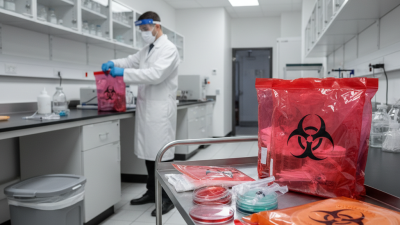
Biohazard sample bags play a crucial role in global shipping. They are specifically designed to ensure the safe transport of biological materials. Without these bags, the risks of contamination and exposure increase significantly. Properly constructed, they minimize leakage and protect both the package and handlers.
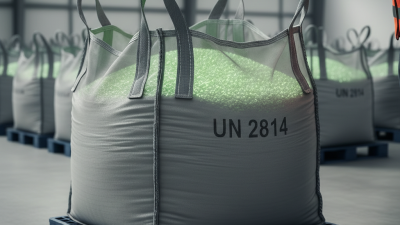
The materials used in biohazard sample bags are vital. They must withstand various temperatures and conditions during transit. Different types of samples require different levels of security. It is important to consider the uniqueness of each sample when selecting a bag. Yet, not all bags meet the necessary safety standards. This raises concerns about reliability in the shipping process.
Proper labeling is also essential. Clear biohazard symbols inform handlers of potential risks. However, it’s common to see poor labeling practices. Without good visibility, accidents can happen. This shows the need for ongoing training and awareness among handlers. While biohazard sample bags are critical, their effectiveness relies on proper use and adherence to guidelines.
2026 Top Biohazard Sample Bags for Safe Global Shipping
| Type of Biohazard Sample Bag |
Material |
Capacity |
Closure Type |
International Compliance |
| Autoclave Bags |
High-Density Polyethylene |
10 liters |
Heat-Sealed |
DOT, IATA |
| Specimen Transport Bags |
Low-Density Polyethylene |
500 ml |
Zipper Closure |
ISO 15189 |
| Biological Hazard Bags |
Virgin Polyethylene |
2 liters |
Self-Seal |
WHO Guidelines |
| Transport Waste Bags |
Polypropylene |
20 liters |
Drawstring |
UN 3291 |
| Clinical Sample Bags |
Nylon & Polyester |
1 liter |
Clip Top |
CDC Compliance |
Types of Biohazard Sample Bags Available in 2026
In 2026, the demand for biohazard sample bags continues to rise. These bags play a critical role in safe global shipping. Various types are available, catering to different needs. These include leak-proof bags, double-layered options, and tamper-evident seals.
Leak-proof bags are essential for preventing contamination. They are designed to withstand pressure and temperature variations during transport. Double-layered bags add an extra level of protection. They ensure that even if one layer fails, the second layer keeps the contents secure. Tamper-evident seals provide reassurance that the samples remain untouched.
While these options are highly effective, potential challenges exist. Some users report difficulties in sealing the bags properly. Others express concerns about the environmental impact of single-use plastics. These issues highlight the need for ongoing innovation in this sector. Thoughtful solutions must balance safety and sustainability.
Key Features to Look for in Biohazard Sample Bags
When choosing biohazard sample bags, several key features ensure safe global shipping. These bags must have a sturdy construction. The material should withstand punctures and tears easily. A report from the International Safe Transportation Association indicates that 1 in 10 biological samples face compromised integrity during transport. Using high-quality bags reduces this risk significantly.
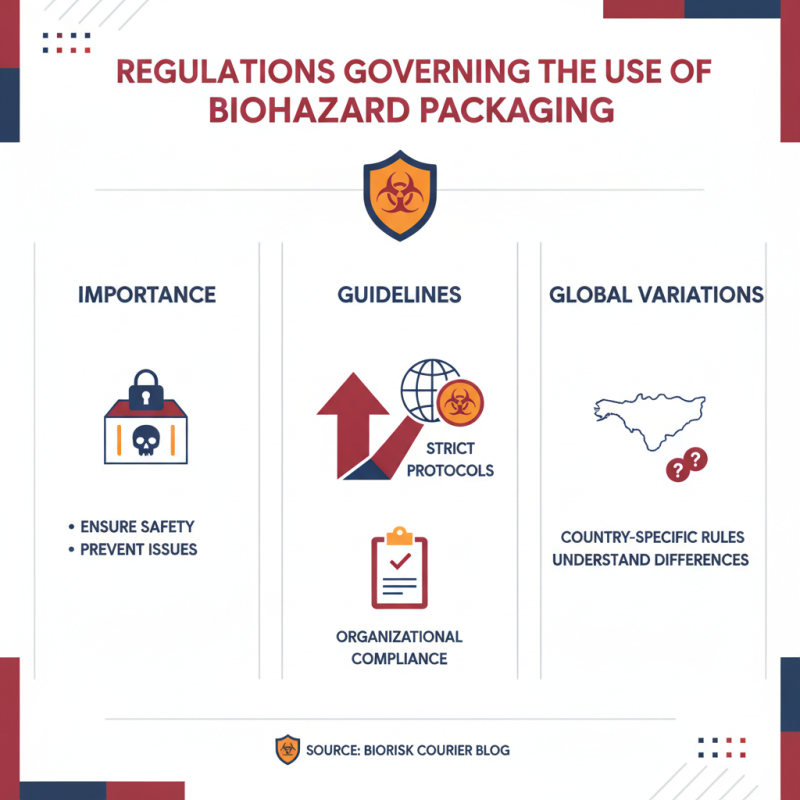
Additionally, the bags should offer clear labeling options. This feature ensures that handlers recognize hazardous materials quickly. Transparent designs provide visual confirmation of contents, enhancing security. Another critical aspect is compliance with international regulations. According to the World Health Organization, 60% of shipments fail to meet safety guidelines due to improper packaging. Therefore, ensuring that biohazard bags adhere to these standards is essential for safety and legal compliance.
Finally, consider the bags' seals and closures. These components are crucial in preventing leaks. A secure closure minimizes contamination risks during travel. Imperfections in seals can lead to unwanted exposure to hazardous materials. Ongoing evaluation of these aspects will foster improvements in biohazard transport practices. Regularly updating knowledge on industry standards is necessary in this evolving sector.
2026 Biohazard Sample Bags Safety Features Comparison
This chart compares the safety features of biohazard sample bags in 2026. Each feature is rated on a scale from 1 to 10, with higher values indicating better performance. Key aspects such as durability and leak resistance top the ratings, emphasizing the importance of reliable packaging for safe global shipping.
Best Practices for Safely Shipping Biohazard Materials
Shipping biohazard materials requires strict adherence to best practices. Proper packaging is essential. Biohazard sample bags must be puncture-resistant and leak-proof. The materials used should withstand various environmental conditions during transit. A multi-layer approach often provides added protection. Using absorbent materials within the outer packaging can prevent leaks.
Labeling is critical. Clear and visible biohazard symbols should be on the outer bags. This ensures handlers are aware of potential hazards. It’s also necessary to include contact information for the sender and recipient. This step aids in quicker responses in emergencies. Training staff on correct shipping procedures is not optional. Regular training sessions build awareness and knowledge.
Even the best systems can falter. There's always a chance of human error. Regular audits of shipping practices can identify gaps. Reflecting on past shipments may uncover recurring issues. Using checklists can minimize mistakes. However, no system is fully foolproof, and continuous improvement should always be the goal.

 +86 178 5514 5298
 CONTACT NUMBER
 CONTACT NUMBER