Top 10 Biohazard Transport Bags for Safe Medical Disposal?
In the medical field, proper disposal of hazardous materials is crucial. Biohazard transport bags are essential for safe handling and disposal. These bags help prevent contamination and protect health care workers. They are designed to meet specific safety standards.
Choosing the right biohazard transport bag can be challenging. Many options exist, each with unique features. Some are designed for sharp objects, while others focus on liquid waste. It’s important to consider the type of waste you are dealing with. Not all bags are created equal, and quality matters.
Safety should always be a priority in medical settings. Using inappropriate bags can lead to exposure and health risks. Each choice reflects your commitment to safety and best practices. Reflecting on past experiences can guide better decisions today. Investing in reliable biohazard transport bags ensures a safer environment for everyone involved.
Understanding Biohazard Transport Bags and Their Importance
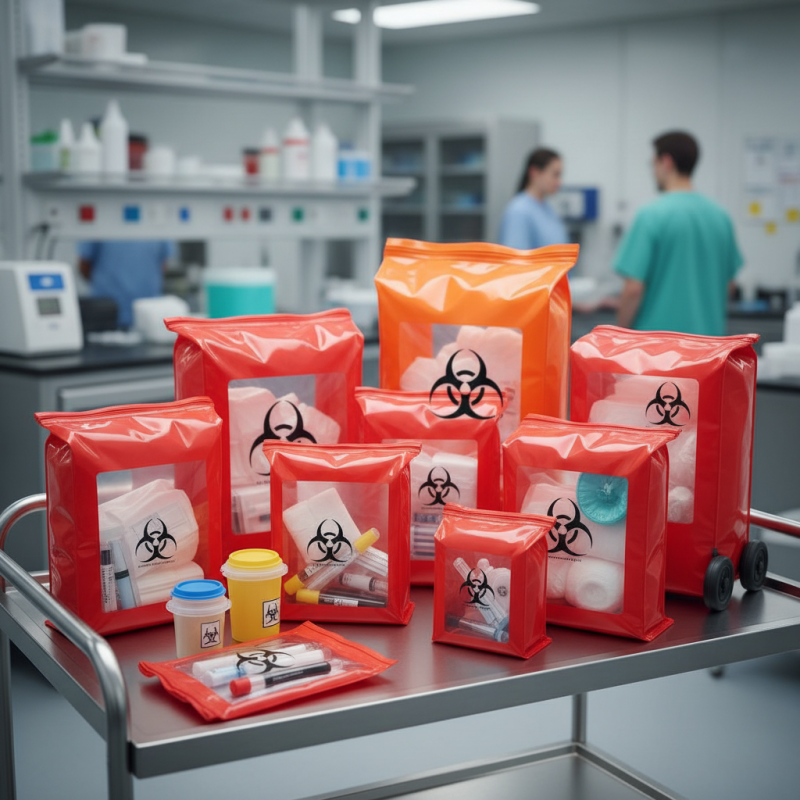
Biohazard transport bags play a crucial role in the safe disposal of medical waste. These specialized bags are designed to contain hazardous materials, such as blood or infectious substances. Their bright colors and clear warning labels ensure immediate recognition. This visibility prevents accidental exposure or mishandling, which could lead to contamination.
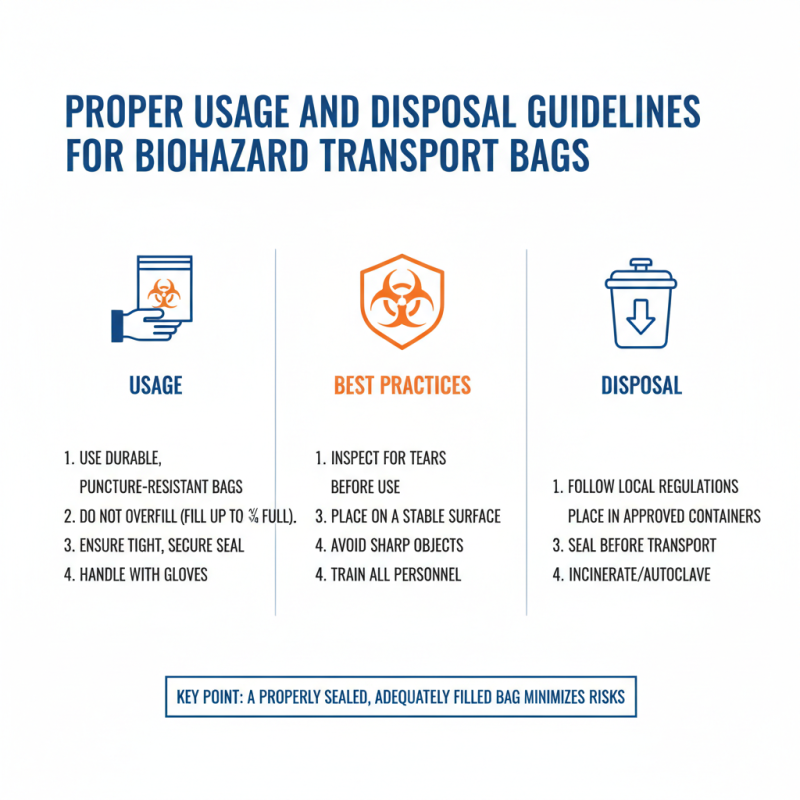
Understanding the importance of biohazard transport bags is essential for healthcare facilities. They not only comply with health regulations, but also protect workers and patients. However, the choice of bag matters. Some bags may not withstand punctures or leaks. Regular inspections and training can help address these concerns. Facilities must assess their needs and invest wisely in high-quality options.
Inadequate training can result in improper use of these bags. Staff may inadvertently mix regular waste with biohazard materials. This can pose serious risks. Ensuring that employees understand the significance of proper disposal is vital. Clear protocols and ongoing education are key to maintaining safety standards.
Key Features to Consider When Choosing Biohazard Transport Bags
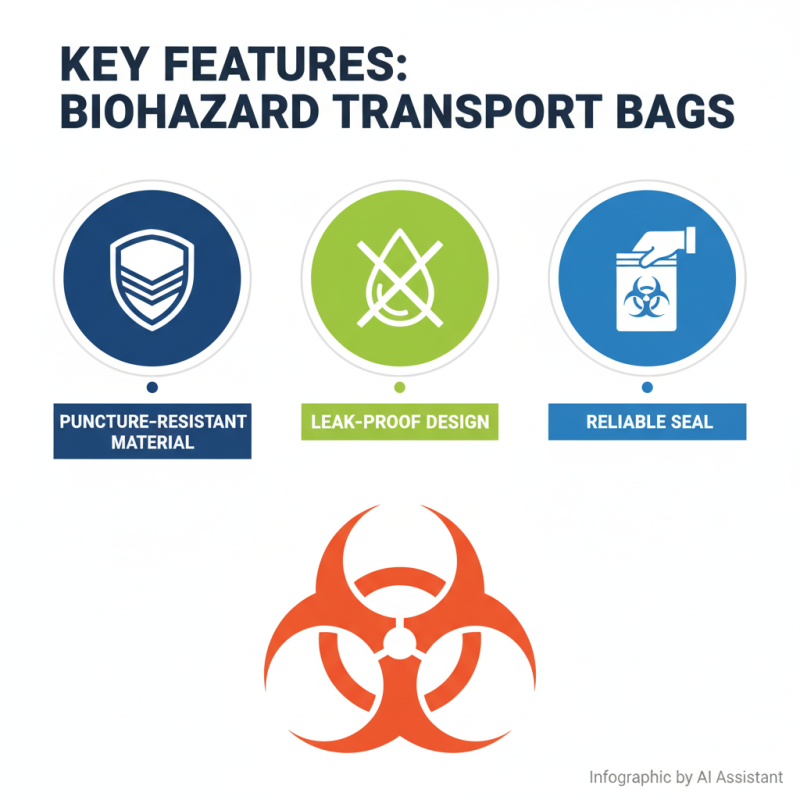
When selecting biohazard transport bags, several key features deserve attention. Material quality is crucial. Look for bags made from thick, puncture-resistant plastic. This ensures safe transport of hazardous materials. Additionally, bags should be leak-proof. Any spills can pose serious health risks, so reliability is a must.
Another important aspect is visibility. Biohazard symbols should be clearly printed. This alerts anyone handling the bags about the potential dangers inside. Size also matters; bags should accommodate various types of medical waste without overcrowding. Oversized bags can lead to accidents during transport.
Consider closure mechanisms as well. Some bags feature zip seals or tie closures, enhancing security. Proper closure prevents contamination and accidental exposure. Not all bags are created equal, and some may fail under pressure. This inconsistency necessitates careful evaluation before making a choice. Prioritizing these features ensures a safer environment for medical waste disposal.
Top 10 Recommended Biohazard Transport Bags for Medical Use
When it comes to medical waste, safety is paramount.
Biohazard transport bags are essential for safe disposal. These bags are designed to contain hazardous materials securely.
They help prevent leaks and spills during the transport process. Medical facilities, laboratories, and even home care settings require reliable biohazard bags.
Choosing the right biohazard transport bag can be challenging. You need to consider factors like strength,
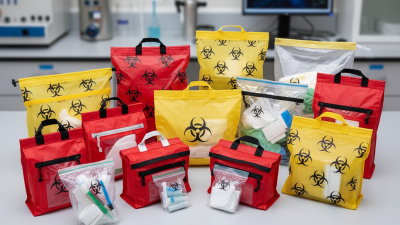
size, and usability. A good bag should be puncture-resistant. The color of the bag often indicates its purpose.
For example, red bags are commonly used for infectious waste. Ensuring proper labeling is critical for compliance and safety.
Not all bags are created equal. Some may not withstand extreme conditions. Testing their durability is wise.
Also, consider the volume of waste generated. A bag that is too small could lead to accidents. Engaging with healthcare professionals can yield valuable insights.
Their experience can guide you toward effective options for your facility's needs.
Regulatory Standards for Biohazard Transport and Medical Waste Disposal
Medical waste disposal poses distinct challenges. Regulatory standards guide the safe transportation of biohazardous materials. According to the World Health Organization (WHO), improper disposal can lead to serious health risks and environmental contamination. In 2020, it was reported that 80% of healthcare waste can be safely recycled or reused. However, 15% is classified as hazardous, requiring special handling.
Regulatory bodies, like the Environmental Protection Agency (EPA), emphasize compliance in waste management. They mandate that biohazard transport bags meet specific criteria. For example, bags must be leak-proof and puncture-resistant. These standards ensure that waste is contained securely during transport. Non-compliance can result in hefty fines and potential harm to public health.
Healthcare facilities often face the struggle of adhering to these regulations consistently. Staff training is essential but often neglected. A survey indicated that 30% of health workers reported inadequate training on waste management practices. This raises concerns about possible breaches in safety protocols. Ensuring proper handling and transport of biohazards remains a crucial yet overlooked aspect of healthcare operations.
Top 10 Biohazard Transport Bags for Safe Medical Disposal
| Bag Type |
Material |
Capacity (Liters) |
Features |
Regulatory Compliance |
| Standard Biohazard Bag |
LDPE |
70 |
Leak-proof, tamper-evident |
OSHA compliant |
| Heavy-Duty Biohazard Bag |
HDPE |
105 |
Durable, puncture-resistant |
EPA compliant |
| Color-Coded Biohazard Bags |
LDPE |
50 |
Color-coded for waste segregation |
Meets state regulations |
| Autoclave Bags |
Polypropylene |
30 |
For sterilization, heat resistant |
FDA compliant |
| Biohazard Waste Container Bag |
HDPE |
20 |
With locking feature |
Complies with DOT regulations |
| Biohazard Waste Disposal Bag |
PE |
40 |
Tear-resistant |
Meets local health standards |
| Biodegradable Biohazard Bag |
PLA |
60 |
Environmentally friendly |
ISO 14001 certified |
| Radiation Waste Bag |
PVC |
75 |
Specially marked, secure |
ANSI compliant |
| Sharps Disposal Bag |
HDPE |
5 |
Designed for sharps |
OSHA compliant |
| Surgical Waste Bag |
LDPE |
80 |
Extra strong |
Complies with healthcare regulations |

 +86 178 5514 5298
 CONTACT NUMBER
 CONTACT NUMBER