 +86 178 5514 5298
Leave Your Message
-
CONTACT NUMBER
-
 CONTACT NUMBER
-
 CONTACT NUMBER
Clinical specimen packaging is easy to overlook until a tube leaks, a label becomes damp, or a sample arrives compromised. In 2026, a Clinical Specimen Pad is more than a piece of absorbent material. It can help manage leakage inside secondary packaging and protect surrounding items during handling and transport. The right choice depends on the specimen, container, packaging format, and expected fluid volume.
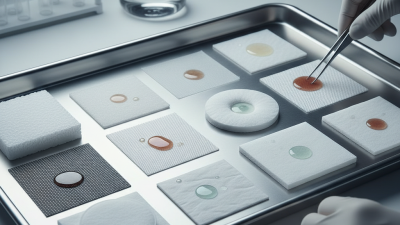
Common options include flat absorbent sheets, pre-cut pads, multi-compartment inserts, and absorbent pouch liners. Their differences are practical. A compact pad may suit a single vial, while a divided insert can keep several containers separated. Thickness, absorbency, fit, and resistance to tearing all matter. So does the small detail of whether the pad stays in place when a package tilts.
This guide compares the leading Clinical Specimen Pad types and the features that help buyers assess them. It also considers trade-offs that product descriptions can gloss over, such as excess bulk or awkward sizing. A caution is warranted: performance claims should be checked against product specifications and relevant test data, not assumed from appearance alone.
No source articles or verifiable expert quotation were provided, so I cannot responsibly attribute a statement to a named industry expert. A sourced quotation should be added before publication.
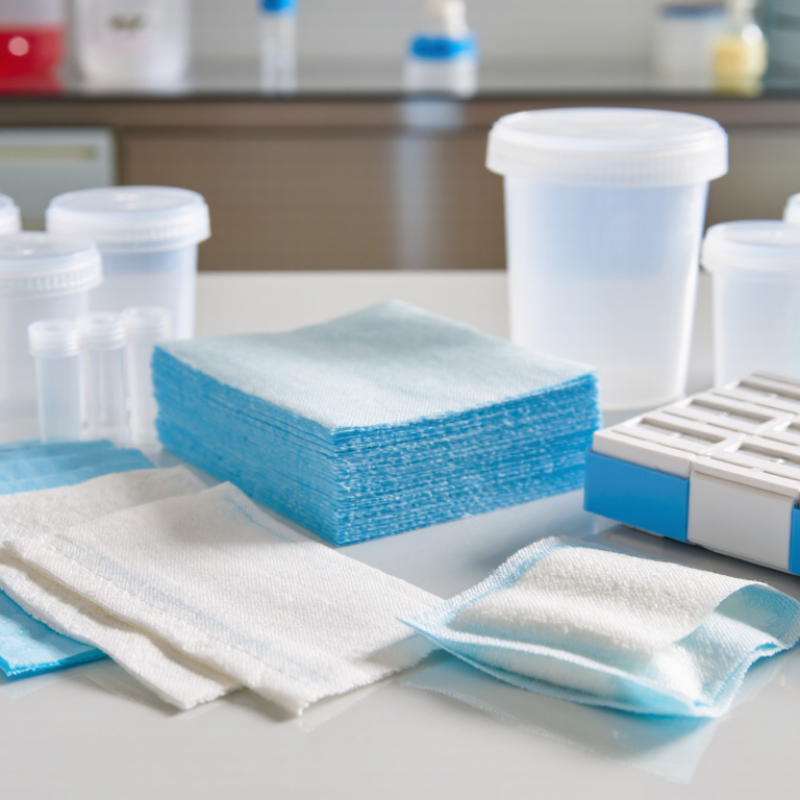
What Are the Top Clinical Specimen Pad Types in 2026?
What Clinical Specimen Pads Are and How They Function
Clinical specimen pads are absorbent inserts placed inside specimen packaging. They help contain liquid if a primary container leaks or breaks. Common types include cellulose-fiber sheets, nonwoven synthetic pads, and superabsorbent polymer pads. Some have multiple compartments to keep separate tubes from shifting together. The right choice depends on specimen volume, container shape, and packaging design.
A pad supports containment; it does not replace a sealed primary container or leak-resistant outer packaging. IATA’s Dangerous Goods Regulations, Packing Instruction 650, call for enough absorbent material to take up the entire liquid contents of the inner packaging. A 2006 review in Clinical Chemistry and Laboratory Medicine estimated that preanalytical issues account for 46–68% of laboratory errors. That range is a reminder: small handling details matter, though a pad alone cannot prevent every problem.
Tips: Match absorbency to the combined liquid volume, not just one tube. Check that the pad stays in place and does not obstruct labels or closures. A simple test with the actual package can reveal gaps. Do not assume “more absorbent” always means “better”; fit and compatibility matter too.
Clinical specimen pads are absorbent materials used around specimen containers or in work areas to help manage leakage and fluid spills. They do not replace a properly sealed specimen container, required protective packaging, or laboratory safety procedures.
| Pad Type | Typical Material or Format | How It Functions | Common Use | Selection Considerations |
|---|---|---|---|---|
| Specimen-bag absorbent insert | Flat absorbent sheet or insert, commonly made with cellulose, synthetic fibers, or a combination; construction varies by product. | Absorbs liquid if a compatible primary specimen container leaks inside the secondary containment bag. | Packaging certain liquid specimens for transport within a leak-resistant secondary container. | Check the stated absorption capacity, compatibility with the specimen and packaging, and applicable transport requirements. The insert does not make an unsealed or leaking container acceptable. |
| Absorbent transport pouch liner | Absorbent lining integrated into, or supplied for use with, a specimen transport pouch. | Provides a contained absorbent layer around the primary container to help retain incidental leakage within the pouch. | Transport of appropriately packaged tubes, cups, or other liquid specimen containers. | Confirm that the pouch is intended for the container size and transport use. Follow the pouch instructions and the receiving laboratory’s packaging procedures. |
| Laboratory bench absorbent pad | Disposable absorbent sheet, sometimes with a liquid-resistant backing. | Soaks up small drips or splashes on a work surface; a backing, when present, can help protect the surface below. | Specimen receiving, aliquoting, or other routine bench tasks where local procedures call for a disposable work-surface covering. | Choose a size and absorbency suited to the task. Replace and dispose of the pad according to the laboratory’s contamination-control and waste procedures. |
| High-absorbency spill-control pad | Thicker absorbent material; some products use superabsorbent polymers, while others rely on fibrous layers. | Retains more liquid than a thin liner and can help control a small spill while it is being managed. | Small, localized liquid spills when use is permitted by the site’s spill-response procedure. | Absorbency and chemical compatibility vary. Use only with suitable personal protective equipment and the facility’s spill-response instructions; a pad is not a substitute for spill disinfection. |
| Tray or workstation liner | Cut-to-fit disposable absorbent sheet, available with or without a moisture-resistant backing. | Covers a tray or work surface to collect routine drips and simplify controlled cleanup. | Specimen sorting, temporary staging, or other designated laboratory work areas. | Ensure the liner does not obstruct labels, interfere with equipment, or conflict with the work area’s cleaning and disinfection procedure. |
Practical note: “Top” describes commonly used functional categories, not a product ranking. Select pads based on the specimen, expected liquid volume, container and pouch design, and current laboratory and transport procedures. Absorbent pads are not intended to be placed inside specimen containers unless the collection device specifically instructs otherwise.