Leave Your Message

Top 10 Uses for 95kpa Specimen Transport Bag in Medical Facilities?

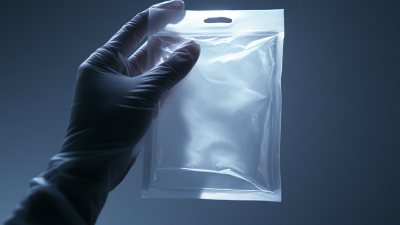
In the realm of modern healthcare, the efficiency of specimen transport is crucial. The 95kpa specimen transport bag is a key component in maintaining specimen integrity during transit. Designed for various medical environments, this transport solution ensures samples remain secure and uncontaminated.

Medical facilities rely heavily on the reliability of these bags. They help preserve sensitive materials, from biological samples to diagnostic tests. Their robustness allows healthcare practitioners to manage specimen transport with confidence. However, challenges still exist. Not all specimens are treated equally, and this bag may not be suitable for every situation.

Using the 95kpa specimen transport bag effectively requires understanding its limitations and strengths. While it excels in various applications, there is room for improvement in design and functionality. Evaluating how it integrates into existing systems can reveal potential areas for enhancement. A thoughtful approach ensures that this tool serves its purpose in the best possible way.

Top 10 Uses for 95kpa Specimen Transport Bag in Medical Facilities?

Applications of 95kpa Specimen Transport Bags in Clinical Settings

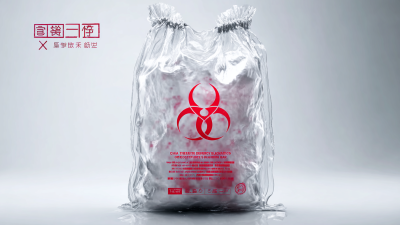
The use of 95kpa specimen transport bags in medical facilities plays a crucial role in clinical settings. These bags are designed for secure transportation of biological samples. They provide reliable pressure control, preventing contamination during transit. Their durability ensures that samples remain intact, reducing the risk of leaks or spillage.

In everyday practice, these bags serve multiple functions. They are essential when transferring specimens from collection points to laboratories. Using these bags minimizes the risk of specimen degradation. However, it’s important to consider the limitations of these bags. They may not accommodate larger specimens, which can require alternative packaging methods. Furthermore, improper sealing could lead to sample contamination, causing errors in diagnosis.

Attention to detail is vital when using 95kpa bags. Healthcare professionals must ensure samples are correctly labeled and securely sealed before transport. Regular training on proper usage can enhance reliability. Despite their advantages, ongoing reflection on transport processes can help identify areas for improvement, ensuring the highest standards in specimen handling.

Top 10 Uses for 95kpa Specimen Transport Bag in Medical Facilities

Importance of Maintaining Specimen Integrity During Transport

Top 10 Uses for 95kpa Specimen Transport Bag in Medical Facilities?

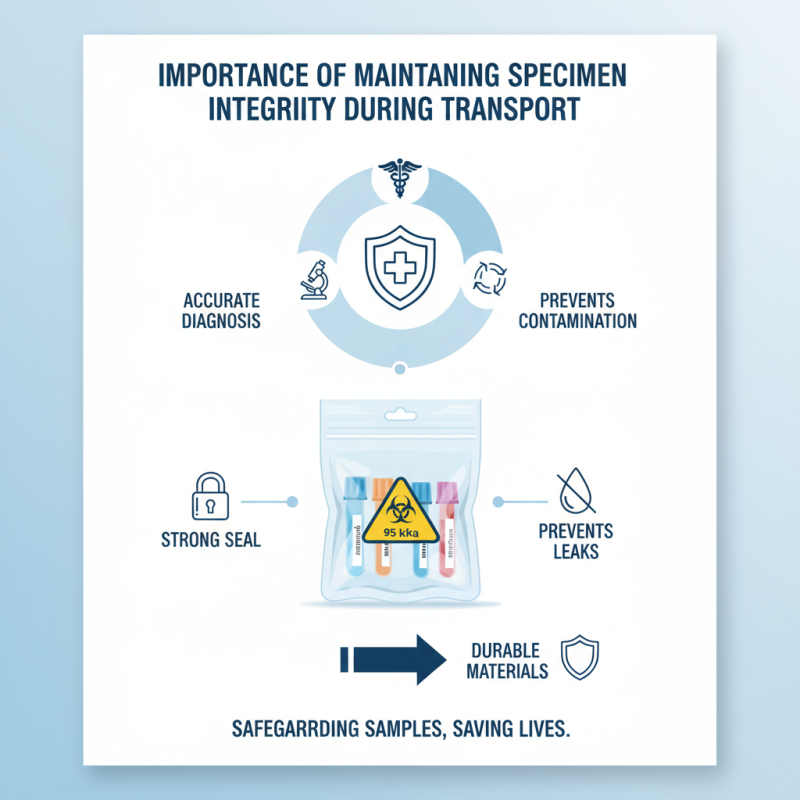
Maintaining specimen integrity during transport is crucial for accurate diagnosis and effective treatment. The 95 kPa specimen transport bag plays a vital role in this process. It helps safeguard samples from contamination and environmental factors. With a strong seal and durable materials, these bags prevent leaks and exposure to harmful substances.

During transport, specimens often face different temperatures and vibrations. The 95 kPa bag offers a controlled environment to minimize these impacts. However, not all facilities utilize these bags consistently. This inconsistency can lead to compromised samples, resulting in unreliable test results.

It's essential for medical staff to understand the importance of using proper transport bags. Training is sometimes overlooked, leaving gaps in knowledge. Choosing the right bag is part of a larger system of care. Facilities should evaluate their procedures regularly to improve specimen handling. Enhanced awareness can significantly reduce errors and improve patient outcomes.

Comparative Advantages of 95kpa Bags Over Other Transport Options

The 95kpa specimen transport bag is a game changer in medical facilities. It offers significant advantages compared to traditional transport methods. These bags maintain a consistent pressure level, ensuring specimens stay intact during transit. Unlike standard containers, they reduce the risk of contamination and maintain sample integrity.

One key advantage is their versatility. 95kpa bags can be used for a wide range of specimens, from blood samples to tissue. This makes them an essential tool for labs and clinics. They are also designed to be leak-proof, providing an extra layer of safety when transporting hazardous materials.

Tips: Always check the integrity of your transport bag before use. Regularly inspect seals and closures to avoid leaks. Additionally, ensure that the bag is suitable for the specific type of specimen you are transporting. Proper labeling is crucial to prevent mix-ups. Overall, adopting 95kpa bags can streamline operations and enhance safety in medical facilities.

Best Practices for Using Specimen Transport Bags in Laboratories

In medical laboratories, effective specimen transport is crucial. Using a 95 kPa specimen transport bag ensures specimens are protected. Proper handling reduces contamination risk. A report from the Clinical Laboratory Standards Institute indicates that improper specimen transport can lead to 30% more errors in diagnostic results.

Best practices revolve around proper usage of these bags. First, ensure that the bag is sealed correctly to maintain its integrity. Additionally, labels must be clear and accurate. More than 15% of specimen labeling errors can be traced back to inadequate transport practices. Laboratories should train staff on the importance of these protocols. Furthermore, bags should be appropriately sized to accommodate various specimen types.

Consideration of transport conditions is just as important. Specimens may require temperature control. A study in the Journal of Clinical Pathology found that temperature fluctuations can compromise specimen viability. Furthermore, regular audits of transportation practices can identify recurring issues. Continuous improvement is key to effective specimen handling in the healthcare system.

Top 10 Uses for 95kpa Specimen Transport Bag in Medical Facilities

Use Case Description Best Practices
Transport of Blood Samples Used for safe transfer of blood samples to labs for testing. Ensure proper sealing and label clearly to avoid cross-contamination.
Specimen Protection Protect specimens from external factors during transit. Use cushioning materials inside the bag to prevent movement.
Transport of Tissue Samples Facilitates the transfer of tissue specimens for histological examination. Keep at appropriate temperatures to preserve specimen integrity.
Sample Authentication Bag contains barcodes or ID numbers for tracking samples. Regularly update tracking systems to maintain organization.
Contaminant Isolation Isolates potentially hazardous specimens from other samples. Use separate bags for biohazard materials.
Storage Before Transport Short-term storage of specimens prior to shipment to labs. Label storage times and temperatures clearly on bags.
Emergency Sample Transfer Quick transport of emergency samples requiring urgent analysis. Prioritize communication with labs for immediate processing.
Chain of Custody Maintains a verified chain of custody for legal samples. Document the handoff process meticulously.
Transporting Culture Tests Used for cultures requiring specific conditions during transport. Maintain required environmental conditions (temperature, humidity).
Multi-Sample Transport Safely transports multiple samples in one secure bag. Separate samples to avoid mixing and ensure proper labeling.

Safety Protocols for Handling and Disposing of Transport Bags

Top 10 Uses for 95kpa Specimen Transport Bag in Medical Facilities?

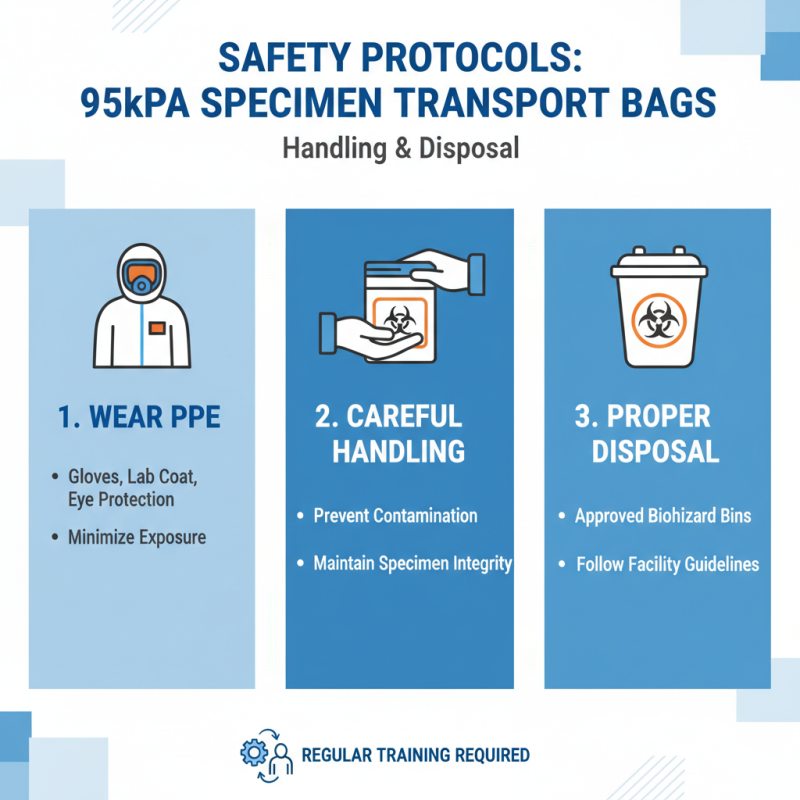
When handling 95kpa specimen transport bags, following safety protocols is crucial. These bags are designed to prevent contamination and maintain specimen integrity. Healthcare workers should always wear appropriate personal protective equipment (PPE) while handling these bags. This minimizes exposure to any potentially hazardous materials. Regular training on safe handling and disposal methods is necessary to ensure compliance.

Disposing of transport bags requires careful attention. Used bags should be sealed properly before disposal. They often contain biological materials, which can pose risks if not handled correctly. Facilities must maintain clear disposal guidelines, including designated biohazard waste containers. Regular audits of disposal practices can prevent lapses in safety protocols. Over time, it's critical to reflect on these practices to identify areas for improvement. Training sessions can become stale; fresh perspectives might highlight new safety measures.