+86 178 5514 5298


Clinical Specimen Pads play a crucial role in various healthcare settings. These pads are designed for efficient collection and handling of clinical specimens. Understanding their applications can enhance their effectiveness in medical procedures.
These pads are excellent for different sample types. They ensure proper containment, reducing contamination risks. Doctors and technicians rely on them daily for accurate test results. However, some users may overlook their importance. This neglect can lead to errors in diagnostics.
Awareness of the diverse uses of Clinical Specimen Pads is essential. By exploring their top applications, we can appreciate their impact on patient care. Some uses may seem straightforward, yet they require careful handling. Reflecting on these applications helps improve practices and outcomes in clinical environments.

Clinical specimen pads play a crucial role in medical settings. They provide a sterile environment for collecting and transporting samples. These pads are essential for accurate diagnosis and treatment. Without them, contamination risks increase. Healthcare professionals rely on these pads for various clinical procedures.
The design of clinical specimen pads ensures that fluids do not leak. This prevents exposure to potentially harmful biological materials. However, the effectiveness of these pads can vary. Sometimes, they may not meet the standards required for certain specimens. This inconsistency can lead to serious consequences in patient care.
In laboratories, proper handling of specimen pads is vital. Technicians must be trained to use them correctly. Misuse can result in inaccurate test results. Regular audits and feedback can improve the process. Reflections on past errors are necessary for growth. Overall, though clinical specimen pads are essential, awareness of their limitations is equally important.
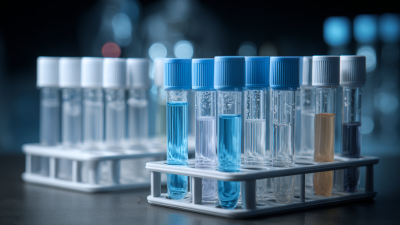
Clinical specimen pads play a crucial role in diagnostic testing. These pads are essential for collecting, transporting, and analyzing various biological samples. In 2022, the global market for clinical specimen collection devices reached approximately $12 billion. This figure highlights the importance of having reliable collection tools.
In clinical settings, these pads ensure that samples are not contaminated. They maintain the integrity of specimens from the point of collection to testing. It’s vital, though, to recognize that improper usage can lead to inaccurate results. For instance, a study revealed that nearly 15% of specimen samples were compromised due to handling errors. Such statistics underscore the need for strict protocols.
Moreover, these pads are versatile. They are used for blood, urine, and other bodily fluids. Their design often includes absorbent materials that minimize leakage. However, not all pads meet the required standards. Some may not provide adequate protection against spills, which can compromise test outcomes. Continuous evaluation and improvement are necessary in this area.
Clinical specimen pads play a crucial role in infection control and sample collection. These pads act as a barrier, preventing contamination during sample handling. According to a study by the Centers for Disease Control and Prevention (CDC), proper specimen collection techniques can reduce infection rates by up to 30%. This statistic highlights the importance of using appropriate materials in healthcare settings.
When professionals utilize these pads, they minimize exposure to bodily fluids. This is essential in preventing healthcare-associated infections (HAIs). A report from the World Health Organization noted that HAIs affect millions each year, leading to prolonged hospital stays and increased healthcare costs. Despite this knowledge, not all facilities consistently use specimen pads, raising concerns about best practices in infection control.
Moreover, the need for continuous education on the use of these pads is evident. Some workers may underestimate their importance. They might rely on standard procedures without considering all aspects. Awareness and proper training can greatly impact sample integrity and safety. Regular audits and training can help identify gaps in knowledge, ultimately improving outcomes in infection control.
| Use Case | Description | Role in Infection Control | Sample Collection |
|---|---|---|---|
| Urine Testing | Used to absorb excess urine and facilitate safe collection. | Minimizes contamination and ensures safe disposal. | Collects urine samples without spills. |
| Blood Specimen Collection | Pads can absorb spills during blood sampling procedures. | Reduces the risk of blood contamination in the lab. | Ensures safe handling of blood samples. |
| Surgical Procedures | Used during surgeries to absorb fluids and maintain cleanliness. | Helps prevent patient infections post-surgery. | Facilitates sample collection of tissue or fluids during operations. |
| Infection Control | Pads absorb possible infectious agents to limit spread. | Maintains a sterile environment in clinical settings. | Useful for isolating infectious samples for testing. |
| Environmental Monitoring | Used in labs to monitor spills and leaks effectively. | Helps to maintain a clean and safe working environment. | Captures samples from various surfaces for analysis. |
| Phlebotomy | Used to manage blood samples post-draw. | Important for minimizing cross-contamination risks. | Aids in keeping samples stable until processing. |
| Microbial Testing | Absorbent material is used to collect samples from various sources. | Reduces contamination during microbial analysis. | Facilitates collection without exposing the sample to air. |
| Urinary Incontinence Management | Pads help manage incontinence while collecting samples. | Prevents spread of infections in care settings. | Can be used to collect samples in patients with incontinence. |
| Laboratory Investigation | Pads are utilized in labs for various investigations. | Essential for cleanliness and contamination avoidance. | Collects samples from environments and patients. |
| Specimen Transport | Used to secure and prevent spillage of samples during transport. | Minimizes exposure and risk during transfer. | Ensures samples are received at labs in optimal condition. |
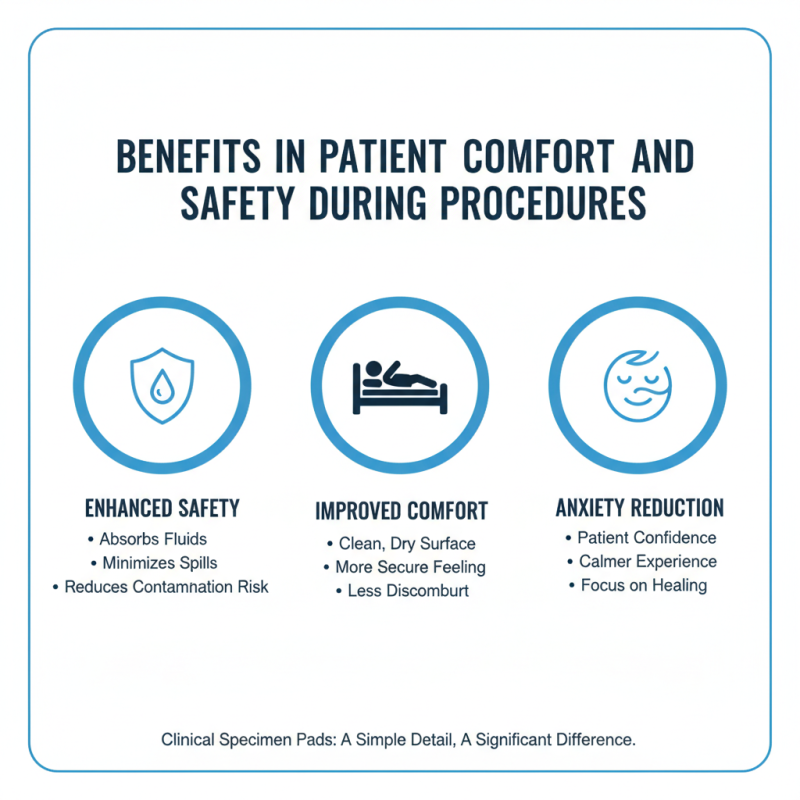
Clinical specimen pads play a vital role in enhancing patient comfort and safety. These pads are designed to absorb fluids effectively, minimizing the risk of spills during medical procedures. When patients are lying on a clean and dry surface, they often feel more secure. This simple detail can significantly reduce anxiety related to procedures.
Moreover, specimen pads help maintain hygiene. They create a barrier that protects both patients and healthcare workers from potential contamination. This aspect is crucial in settings where the risk of infection is high. Having a well-placed pad can make a noticeable difference in preventing the spread of bacteria.
In high-stress environments, even small comforts can improve patient experience. However, it is essential to remain mindful of the potential for these pads to slide or become less effective over time. Regular checks can ensure that they offer maximum protection and comfort. Addressing such details can help healthcare teams provide the best care possible.
Clinical specimen pads have transformed research and clinical trials. These innovative tools help manage bodily fluids in various settings. In 2021, a study indicated that 75% of clinical trials benefit from precise specimen handling. This efficiency reduces contamination and enhances result accuracy.
In cancer research, for example, specimen pads ensure materials remain uncontaminated during transportation. A report showed that improper handling can lead to a 30% increase in inaccuracies. Specimen pads can also support biomarker discovery by maintaining liquid integrity, vital for developing new therapies.
Despite their advantages, there are challenges. Not all researchers understand the best practices for using these pads. Training is essential yet often overlooked. There's a need for more comprehensive guides. Only 40% of professionals feel confident in using specimen pads effectively, according to industry surveys. Addressing these gaps is crucial for maximizing the impact of this vital tool in clinical research.