7 UN 2814 Bag Tips for Safe Global Shipping?
Shipping biological materials across borders demands more than a strong outer carton and a printed label. A UN 2814 bag supports the safe transport of infectious substances affecting humans, but it is only one part of a compliant packaging system. The package must match the substance, transport mode, destination, and applicable regulations. Small errors can create serious delays.
This guide introduces seven practical UN 2814 bag tips for safer global shipping. It covers material selection, leak resistance, absorbent packaging, marking, documentation, temperature control, and final inspection. Each point reflects common expectations from dangerous goods training, carrier procedures, and international transport frameworks. Requirements can change by country and carrier. Verify them before dispatch.
Details matter. A trained packer should inspect seams, closures, and labels under good lighting. The inner container should remain secure when the package is gently moved. Absorbent material must suit the contents and cover a realistic leak scenario. The outer package should show no cracks, moisture, or crushed corners. Keep records clear and accessible.
A checklist helps, but it cannot replace judgment. Even experienced teams may overlook a missing document or an outdated label. That is why a second-person review is valuable before collection. When uncertainty remains, consult a qualified dangerous goods professional or the carrier. Safe shipping is not about rushing. It is about controlled handling, accurate information, and evidence that each step was completed carefully.
Understanding UN 2814 Classification and Shipping Requirements
UN 2814 Bag Tips for Safe Global Shipping
UN 2814 identifies an infectious substance affecting humans under Category A classification. Classification must come from a qualified biological safety professional, not a packaging guess. A specimen bag alone is never sufficient. Use certified P620 packaging with a leakproof primary receptacle, absorbent material, a leakproof secondary package, and a strong outer package. Secure every layer.
Seven details deserve careful attention. Use the correct UN 2814 marking and proper shipping name. Apply the Category A infectious substance label visibly. Add orientation arrows when liquid packages require them. Record the shipper and consignee details clearly. Check the package’s approved performance specification. Keep paperwork consistent with the physical contents. Confirm carrier acceptance before dispatch.
Air shipments may require a dangerous goods declaration, trained personnel, and an emergency contact. National rules can add permits, timing limits, or approved routes. Dry ice requires separate handling and marking under UN 1845. Do not seal a package without allowing required venting. Temperature control must not weaken the packaging.
A small label error can stop a shipment. That is easy to underestimate. Recheck names, quantities, labels, and documents against current ICAO, IATA, and local requirements. Regulations change, and an older checklist may quietly become unreliable. When classification or packaging is uncertain, pause the shipment and consult the competent authority or a certified dangerous goods specialist.
7 UN 2814 Bag Tips for Safe Global Shipping
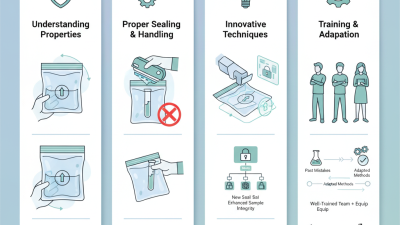
UN 2814 identifies an infectious substance affecting humans and is assigned to Class 6.2. The chart shows the core packaging and marking elements commonly required for a compliant shipment under the UN Model Regulations and air-transport Packing Instruction 620.
Safe preparation normally includes triple packaging: a leakproof primary receptacle, a leakproof secondary packaging, and a rigid outer packaging. Absorbent material is required for liquid contents, while the package must display the applicable Class 6.2 label and the UN 2814 identification. Always verify the current requirements for the transport mode, destination, carrier, and competent authority.
Selecting Compatible Bags for Infectious Substance Packaging
Choosing compatible bags is central to UN 2814 packaging. The right bag must match the specimen, closure method, and secondary container. A thin disposal bag is not sufficient. UN Model Regulations require a leakproof primary receptacle and a leakproof secondary packaging. Liquids also need enough absorbent material to contain the full volume.
WHO’s Laboratory Biosafety Manual, 4th edition, stresses containment, traceability, and practical handling controls. IATA Dangerous Goods Regulations also require packaging that withstands a 1.2-metre drop test and a 95 kPa pressure difference. These figures matter during air transport. A bag may look strong, yet fail at its seal. That detail is easy to overlook.
Tips: Select chemically compatible, puncture-resistant bags with secure closures. Use separate bags for paperwork and contaminated materials. Keep absorbent pads inside the secondary container, not loose in the outer box. Check bag dimensions before packing; overfilled bags can press against closures. Labeling alone does not repair weak packaging. A documented inspection helps, but human error remains possible. WHO guidance supports written procedures, trained handlers, and routine checks. Reassess the packaging when the specimen volume, temperature, or transport route changes.
Applying the Three-Layer Packaging System Correctly
7 UN 2814 Bag Tips for Safe Global Shipping
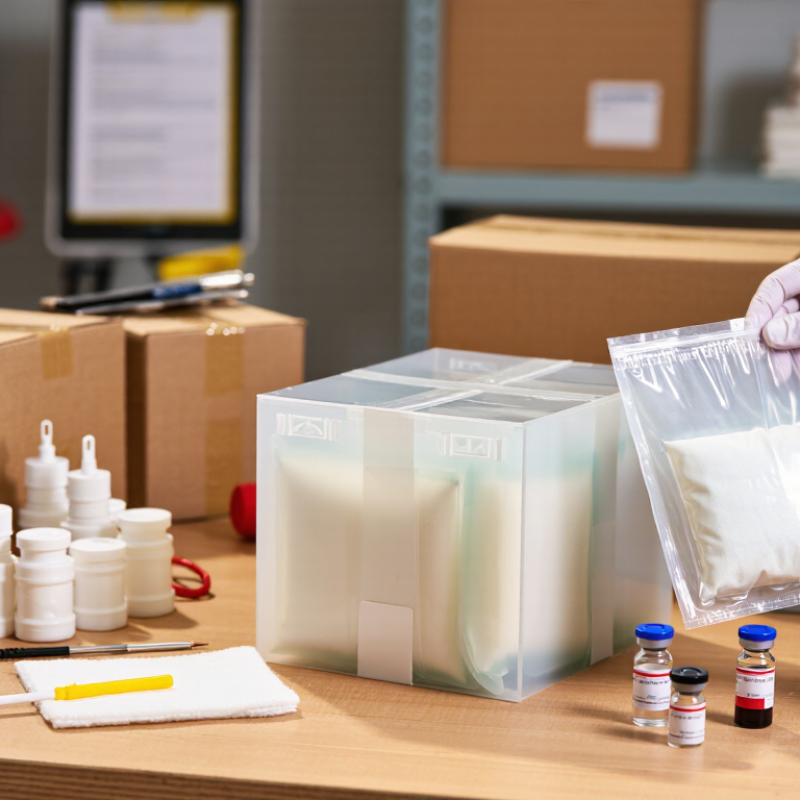
For UN 2814 shipments, the three-layer packaging system protects people, cargo, and the environment during transport incidents. The primary receptacle holds the material and must remain securely closed. Place it inside a leakproof secondary package. Add compatible absorbent material around it. The absorbent should contain the full inner volume if leakage occurs. Then use a strong outer package with cushioning and space around the secondary layer. Keep it upright.
The secondary layer deserves careful attention. It is often treated as a simple bag, which is a mistake. Use a properly rated container, not a thin shopping bag. Check closures by hand, but avoid forcing fragile caps. Separate multiple receptacles so they cannot strike each other. A rigid outer package should resist crushing, puncture, and normal moisture exposure. Experienced dangerous-goods reviewers often find that empty space allows movement. That detail is easy to miss.
Before dispatch, trained personnel should verify packaging certification, markings, labels, documents, and carrier acceptance. Requirements may differ by air, road, sea, or rail transport. Confirm current rules with the relevant authorities. If cooling material is required, secure it without weakening the package or covering labels. Inspect for cracks, wet spots, loose closures, or distorted panels. Photograph the completed package for internal records. Do not improvise at the last minute. A second review can catch what the packer overlooks.
Labeling, Marking, and Documenting UN 2814 Shipments
UN 2814 shipments require disciplined labeling, marking, and documentation. The proper shipping name is “Infectious substance, affecting humans,” with the UN 2814 number shown clearly. Packages normally require the Class 6.2 infectious substance label and the shipper’s and consignee’s complete addresses. Use durable labels. Faded ink can delay acceptance.
The outer package should display the correct orientation arrows when liquids are present. A compliant triple-packaging system includes a leakproof primary receptacle, leakproof secondary packaging, and a rigid outer package. Absorbent material must surround liquid contents. If dry ice is used, mark the package with UN 1845, the proper shipping name, and the net dry ice weight. Do not hide required marks beneath tape or another label.
Documentation must match the physical package exactly. Prepare the dangerous goods declaration when required, including the packing instruction, quantity, emergency contact, and responsible person’s details. The air waybill and any import permits should use consistent information. Destination rules may require additional permits or advance notification. Check them before packing day.
Small discrepancies matter. A single digit can stop a shipment. In busy laboratories, labels are sometimes checked too quickly. That is a weakness worth admitting. Have a trained person compare the package, declaration, and booking details line by line. Keep training records and inspection notes. Carrier acceptance is not the same as regulatory compliance, so verify both before handover.
Arranging Safe International Transport and Regulatory Compliance
7 UN 2814 Bag Tips for Safe Global Shipping?
Arranging safe international transport of UN 2814 requires more than selecting a strong bag. The UN Model Regulations classify UN 2814 as an infectious substance affecting humans. IATA’s current Dangerous Goods Regulations assign it Packing Instruction 620. This instruction requires tested triple packaging, including a leakproof primary receptacle and secondary packaging. The outer package must withstand normal transport handling. It also needs a 95 kPa pressure capability for liquids, according to IATA and ICAO technical requirements.
Use absorbent material around liquid containers. Add cushioning to prevent movement. Place the correct hazard label, proper shipping name, UN number, and shipper details visibly. Keep the package clean and dry. A small label error can cause delays. I have seen teams check the box but forget the airway document. That gap is avoidable.
Tips: Confirm the classification with a trained dangerous goods professional. Check destination-country permits before collection. Review the current IATA DGR, ICAO Technical Instructions, and national rules. Record packaging tests, staff training, and temperature controls. WHO’s Laboratory Biosafety Manual, 4th edition, stresses risk-based procedures and documented competency. Do not rely on an old checklist. Regulations change, and even experienced staff can miss a revision. Let a second trained person inspect the package, documents, and handover time. A clear chain of custody protects the shipment from collection to delivery.

 +86 178 5514 5298
 CONTACT NUMBER
 CONTACT NUMBER