Leave Your Message

China Top 10 Biohazard Transport Bag Suppliers?

Choosing a reliable biohazard transport bag supplier in China requires more than comparing prices. Buyers must examine material quality, sealing strength, labeling options, production controls, and delivery consistency. A suitable bag should protect handlers, samples, and surrounding surfaces during collection and transport. Small details matter, such as a reinforced seam, leak-resistant closure, and clear hazard marking.

This guide introduces ten Chinese suppliers associated with biohazard transport bags and related medical packaging solutions. The evaluation considers manufacturing experience, product range, customization support, quality documentation, and communication practices. Where available, attention is given to certifications, testing records, factory capabilities, and customer service evidence. These factors help hospitals, laboratories, clinics, distributors, and emergency services make more informed purchasing decisions.

No supplier list is flawless. Public information can change, and some company claims require direct verification. Buyers should request current samples, certificates, inspection reports, and written specifications before placing large orders. A clean product photograph is not enough. Ask about bag thickness, inner and outer packaging, temperature resistance, printing durability, and performance after sealing. Real-world handling can reveal weaknesses that a catalog misses. This article offers a practical starting point, not a substitute for technical assessment. Careful review remains essential.

China Top 10 Biohazard Transport Bag Suppliers?

What Are Biohazard Transport Bags and Why Are They Used?

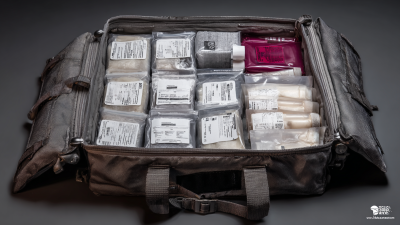
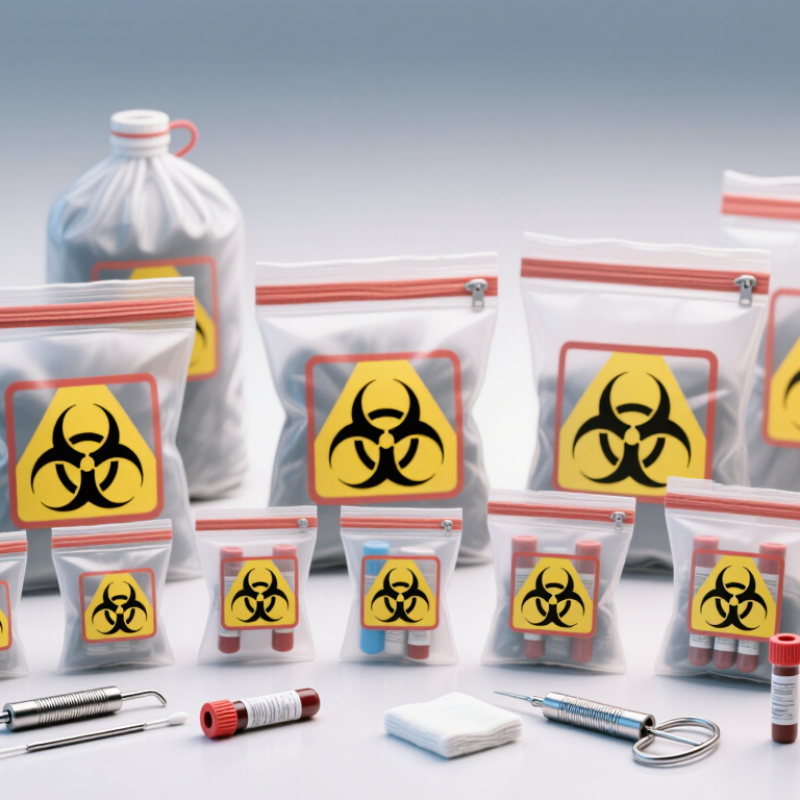
Biohazard transport bags are leak-resistant containers used to move specimens, contaminated materials, or clinical waste between controlled areas. They usually include a sealed compartment, a separate document pocket, and clear hazard markings. In practice, staff may place a capped sample tube inside with absorbent material. The outer bag then provides secondary containment if leakage occurs.

These bags reduce contact risks during handling, sorting, and temporary storage. They also keep paperwork away from potentially contaminated contents. A suitable bag should match the specimen size, closure method, puncture resistance, and required temperature conditions. Material quality matters. Weak seams can fail when bags are overfilled or dragged across a bench.

Clear labeling helps receiving teams identify contents and handling instructions without opening the bag. However, the bag is not a complete safety system. It does not replace trained personnel, proper packaging, or validated transport procedures. From laboratory experience, many problems begin with small oversights, such as missing absorbent material or an incomplete seal. That deserves attention. Suppliers should provide consistent dimensions, traceable quality checks, and practical instructions for daily use. Performance can also change after long storage, exposure to heat, or repeated compression. A careful purchasing review should test these details before routine deployment.

How to Evaluate Chinese Biohazard Transport Bag Suppliers

How to Evaluate Chinese Biohazard Transport Bag Suppliers

Choosing among China’s top biohazard transport bag suppliers requires more than comparing prices. In my experience, the strongest evaluation begins with construction details. Check the bag’s film thickness, seal strength, leak resistance, and closure performance. A reliable supplier should provide clear material specifications and consistent batch records. Ask for production samples, not only catalog photographs. Transparent sampling often reveals weak seals, cloudy film, or uneven printing.

Tips: Request independent test reports when possible. Verify whether testing covers puncture resistance, leakage, and temperature changes. Confirm the supplier’s quality system, inspection process, and traceability records. A factory visit or live video audit can expose details that documents miss. Also review minimum order quantities, lead times, replacement policies, and export packaging. Communication matters. Delayed answers may become delayed corrective action later.

Suppliers should understand relevant transport requirements for biological specimens and explain them clearly. However, never accept a certificate without checking its scope, date, and issuing laboratory. I have seen attractive samples perform well once, then vary across later batches. That is an uncomfortable but important warning. Request repeated samples from different production lots. Compare dimensions, odor, labeling accuracy, and seal alignment. A dependable partner welcomes technical questions, admits limitations, and improves after feedback.、】【

China’s Top 10 Biohazard Transport Bag Suppliers

China’s Top 10 Biohazard Transport Bag Suppliers are often judged by more than price. Experienced buyers examine material strength, leak resistance, sealing quality, and production consistency. The strongest suppliers usually provide polyethylene or multilayer bags with clear hazard markings, tamper-evident closures, and writable identification areas. These details matter when a bag moves from a laboratory bench to a courier vehicle.

Ask for recent test reports, batch records, and samples from normal production. A serious manufacturer should explain film thickness, closure performance, temperature limits, and packaging methods. Certifications such as ISO 13485 may support confidence, but certificates alone prove little. Factory audits reveal more. Check clean working areas, trained operators, inspection points, and traceable raw materials. Small details often expose larger problems.

The top ten should also be compared by communication and customization ability. Reliable suppliers can adjust dimensions, absorbent inserts, warning labels, and carton quantities without creating confusion. They should understand applicable transport requirements, including those related to biological specimens and temperature-controlled shipments. A ranking is never fully objective. A supplier may perform well on standard bags but struggle with urgent orders or unusual sizes. That weakness deserves attention. Requesting pilot samples before a large purchase remains practical. Look for uniform seals, readable printing, and no pinholes under careful inspection. Even a polished supplier can miss a detail. Clear records and patient verification reduce that risk.

How the Leading Suppliers Compare by Products and Certifications

China’s top ten biohazard transport bag suppliers differ less by appearance than by documented performance. The WHO Laboratory Biosafety Manual, 4th edition, recommends risk-based packaging and clear handling procedures. A reliable supplier should show bag dimensions, closure strength, leak resistance, and absorbent capacity. Product photos are not enough.

The leading suppliers usually offer three product levels. Basic bags suit routine specimen separation. Reinforced bags add stronger seals, thicker film, and printed hazard markings. Advanced packaging may include absorbent sheets, secondary containers, and outer boxes tested for transport conditions.

The UN Model Regulations, 23rd revised edition, identifies strict packaging requirements for regulated biological materials. However, a transport bag alone does not equal complete compliant packaging.

Certifications reveal important differences. ISO 9001 supports process control, while ISO 13485 is more relevant to medical-device quality systems.

Buyers should verify certificate scope, issuing body, expiry date, and factory address. UN 3373 test evidence should match the actual packaging configuration, not a similar sample.

CE marking may not apply to every transport bag. A certificate alone can mislead. Ask for batch records, leak-test results, and sample inspection reports.

In practice, I would also check seal consistency after cold storage. This step is often overlooked. Suppliers with traceable lots and clear technical files appear more dependable, even when their catalogs look less impressive.

(Sources: WHO Laboratory Biosafety Manual, 4th ed.; United Nations Model Regulations, 23rd revised ed.)
How to Choose the Right Supplier for Your Transport Needs

How to Choose the Right Supplier for Your Transport Needs

Choosing among China’s top biohazard transport bag suppliers requires more than comparing prices. Start with the specimen type, transport route, temperature range, and expected handling time. The WHO Laboratory Biosafety Manual, 4th edition, recommends risk-based containment decisions rather than one universal package. Your supplier should explain this process clearly.

Ask for documented leak-resistance, puncture-resistance, seal-strength, and drop-test results. UN Model Regulations and IATA’s Dangerous Goods Regulations classify infectious materials into Category A and Category B, with different packaging controls. A reliable supplier should provide current test reports, material specifications, batch traceability, and packaging instructions. ISO 11607-1:2019 also emphasizes validated packaging performance under defined conditions. A certificate alone is not enough.

Inspect production samples before signing a large contract. Check whether the absorbent layer stays fixed, labels remain readable after refrigeration, and the closure works with gloved hands. Request samples from different production batches. This small step often reveals uneven sealing or weak adhesive. It is easy to overlook.

Ask about quality systems, complaint handling, replacement procedures, and export documentation. ISO 13485 certification may support medical-device quality control, but it does not automatically prove every transport bag performs well. Confirm the certification scope and issuing body. The right supplier communicates limitations honestly, even when the answer delays a sale. That matters more than polished catalog images.