 +86 178 5514 5298
Leave Your Message
-
CONTACT NUMBER
-
 CONTACT NUMBER
-
 CONTACT NUMBER
A Medical Lab bag is more than a container with handles. It helps protect specimens, organize supplies, and support dependable daily workflows. The right choice depends on what your team carries, how far it travels, and the conditions it may encounter. Small details matter.
A bag used for slides and paperwork has different needs from one carrying temperature-sensitive samples. Consider compartment layout, closures, insulation, and materials that tolerate the cleaning products your facility uses. Check product specifications rather than relying on broad labels such as “medical grade.” That wording alone may not tell you whether a bag suits your specific use. Not every claim is clear.
Comfort also deserves attention. A fully loaded bag can strain a shoulder, especially during repeated trips between collection areas and the laboratory. Look for secure straps, stable handles, and a shape that keeps contents from shifting. If specimens require temperature control or leak protection, confirm that the product’s documented performance matches your handling procedures. Follow your organization’s protocols, too; a well-designed bag cannot replace proper packaging or trained handling.
The best option is rarely the most complicated or expensive one. It is the bag that fits real tasks, cleans as expected, and remains practical after months of use. These ten tips will help you compare features carefully, ask better questions, and spot trade-offs before buying. Some needs may remain uncertain until the bag is tested in your workflow. That is worth admitting.
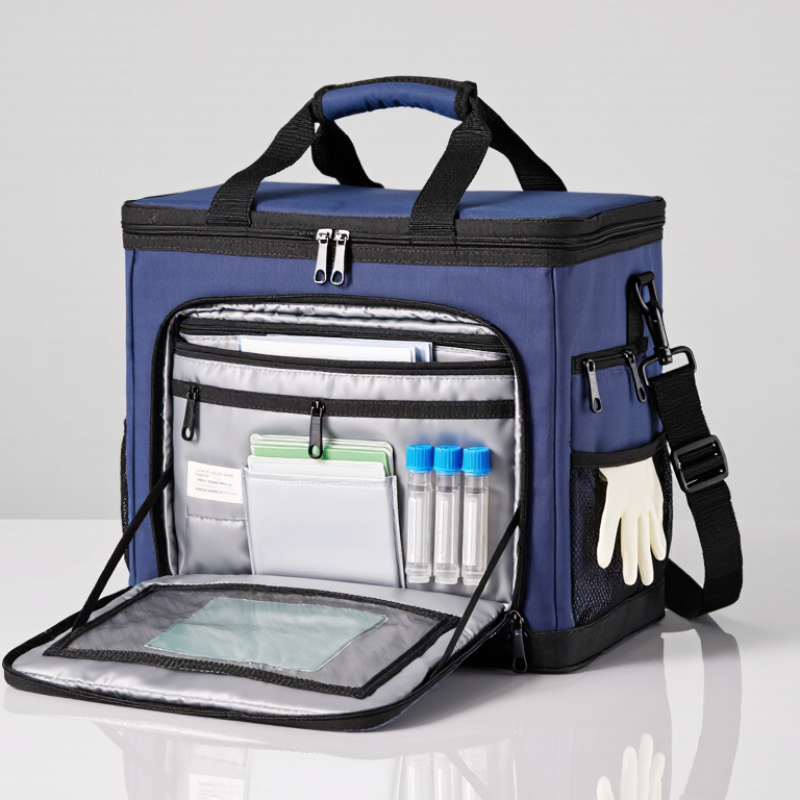
Before choosing a medical lab bag, list the samples it will carry. Blood tubes, swabs, and tissue containers may have different handling needs. Check each sample’s required temperature, orientation, and protection from light. A bag that fits every container is not necessarily suitable for every sample.
Then consider the equipment traveling with them. Tube racks can prevent rolling, while absorbent liners help manage small leaks. Keep paperwork separate from sample containers, and leave enough room to close the bag without forcing it. Small details matter. I once overlooked the space taken up by a rigid rack; the bag closed, but the contents felt cramped. That is worth checking before routine use.
Transport conditions shape the choice, too. Estimate the trip length, expected delays, and whether the bag may face rain, heat, or repeated handling. If samples need controlled temperatures, select a bag and cooling method suited to the specified range, then verify conditions with an appropriate temperature monitor. Keep incompatible items separated as your facility’s procedures require. A short trip can still go wrong when a vehicle sits in the sun. Recheck the plan when routes or sample types change.
| Tip | What to Identify | What to Look For in the Bag | Practical Check |
|---|---|---|---|
| 1. Match the bag to the specimen | Determine whether the load includes blood tubes, swabs, tissue, urine, or other specimens. Handling requirements vary by specimen and test. | Choose a bag that can hold the required primary containers upright and keep them separated from paperwork or personal items. | Confirm container types, quantity, and handling instructions with the receiving laboratory before transport. |
| 2. Use secure, leak-resistant containment | Consider the possibility of a container leak or breakage during normal handling. | Use leak-resistant specimen pouches or secondary containment suited to the contents, with absorbent material when required by applicable procedures. | Check closures and seams, and follow the laboratory’s packaging procedure and relevant transport rules. |
| 3. Check temperature requirements | Identify the temperature range and maximum transit time specified for each specimen or test. | Select insulation or a compatible temperature-control system only when the validated procedure calls for it. | Do not assume all specimens should be chilled or kept at room temperature; confirm requirements and monitor conditions when specified. |
| 4. Estimate capacity and load weight | Count specimens, containers, ice packs, racks, and any other equipment that must travel together. | Choose adequate internal volume, stable compartments, and a handle or shoulder strap suitable for the expected load. | Pack a representative load and check that closures work, containers remain secure, and the bag is comfortable to carry. |
| 5. Protect samples from impact | Consider fragile tubes, glass containers, slides, or instruments that could be damaged by movement. | Look for dividers, padded panels, or compatible racks that limit shifting without obstructing required temperature control. | Check that items cannot roll, collide, or tip when the packed bag is gently moved. |
| 6. Keep clean and potentially contaminated items separate | Identify specimens, used collection accessories, clean supplies, and documents that need separate handling. | Prefer clearly separated compartments or removable, cleanable organizers; avoid storing unrelated personal items with specimens. | Set a packing layout that keeps each category distinct during pickup, transit, and delivery. |
| 7. Consider the transport route | Assess travel duration, vehicle conditions, outdoor exposure, handoffs, and whether the bag may be jostled. | Choose durable construction, secure closures, and insulation or weather resistance appropriate to the route. | Test the planned route and handoff process, including any delays that could affect specimen stability. |
| 8. Make identification and paperwork manageable | Determine what labels, requisitions, chain-of-custody records, or delivery documents accompany the specimens. | Look for a document sleeve or a separate pocket that keeps paperwork dry and apart from specimen containers. | Ensure labels remain legible and paperwork is protected without placing documents in direct contact with specimens. |
| 9. Choose materials that support cleaning | Consider how often the bag will be used and the cleaning or disinfection procedure required by the workplace. | Select materials and interior surfaces compatible with the approved cleaning products and routine; removable liners can simplify cleaning. | Check the care instructions and establish a process for cleaning the bag between uses, especially after a spill. |
| 10. Confirm compliance and staff usability | Identify applicable workplace procedures, transport regulations, and staff training needs for the specimen types being carried. | Choose a bag that supports the required packaging system and is easy to open, close, carry, inspect, and secure. | Have intended users review the packed bag and verify the complete transport procedure with the laboratory’s safety or compliance lead. |