Top Biohazard Transport Bags for Safe Medical Transport?
In the medical field, safety is paramount. Biohazard transport bags play a crucial role in ensuring secure transport of hazardous materials. According to the World Health Organization, proper containment of biohazardous waste minimizes the risk of infection. Each year, millions of tons of such waste are generated globally, necessitating reliable solutions.
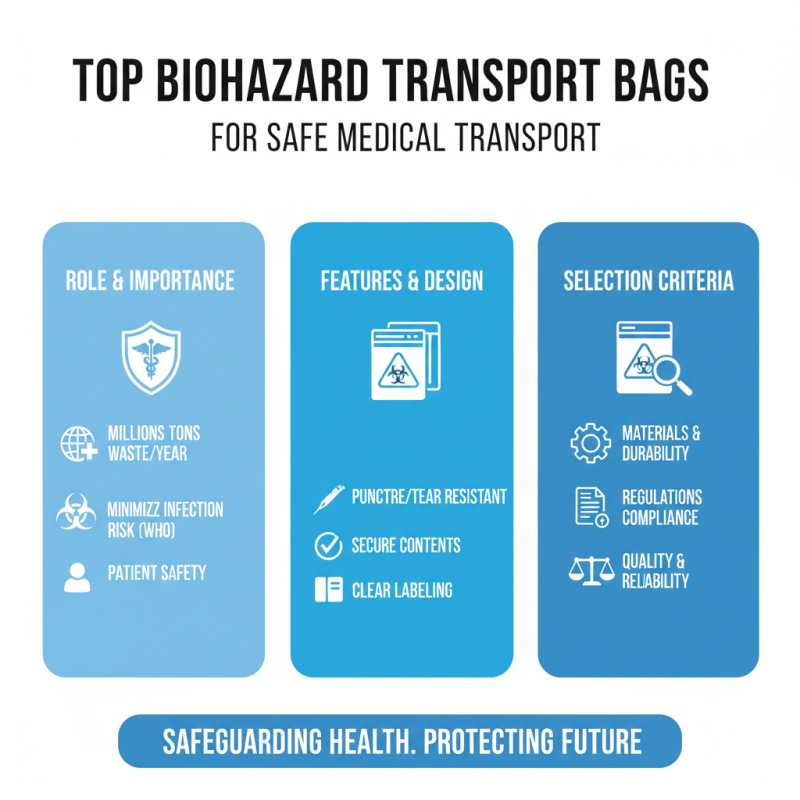
The choice of a biohazard transport bag is not just a matter of compliance; it is a critical aspect of patient safety. Studies indicate that inadequate packaging can lead to exposure and contamination. High-quality biohazard transport bags are designed to withstand punctures and tears, ensuring that their contents remain secure during transit. These bags often feature clear labeling to reduce mishandling and improve recycling processes.
Yet, the market is flooded with options, some of which may not meet safety standards. Selecting the right biohazard transport bag requires careful consideration of materials, durability, and compliance with regulations. In an industry where the stakes are high, discernment becomes essential. Ensuring that medical waste is managed correctly is not only a legal obligation but also a moral imperative.
Essential Features of Biohazard Transport Bags for Medical Use
When it comes to transporting biohazard materials, safety is paramount.
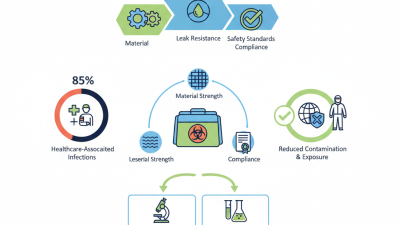
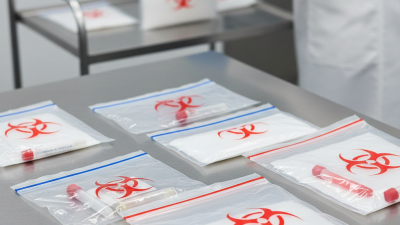
Biohazard transport bags play a critical role in minimizing risks. These bags are designed to be durable and puncture-resistant. Their construction often includes multiple layers, ensuring contents remain secure during transit. Important features include clear labeling with biohazard symbols, aiding in quick identification and handling.
Leak-proof seals are another essential aspect of these bags. They prevent any spills or contamination. Quick access zippers can also be beneficial, allowing for easy opening while maintaining safety. Sufficient strength to withstand environmental stress is crucial. The bags should be tested to ensure they meet safety standards.
Despite their importance, some bags fall short on quality. A poorly constructed bag can lead to accidents. Regular evaluations are necessary for compliance with safety regulations. Choosing the right bag is not always straightforward; it requires careful consideration of features and intended use. Proper education about these requirements enhances overall safety in handling biohazard materials.
Types of Biohazard Transport Bags Available in the Market
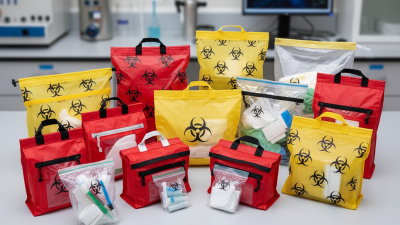
Biohazard transport bags are essential for safe medical transport. These bags are designed specifically to contain hazardous materials. There are several types available in the market, each suited for different purposes.
One common type is the leak-proof bag. These bags prevent any liquids from escaping. A study by the World Health Organization indicates that over 30% of medical waste leaks during transport. This highlights the need for effective containment solutions. Some bags feature double-seal closures, which provide extra security. This design helps ensure that pathogens remain contained.
Another variant is the puncture-resistant bag. These bags reduce the risk of accidental exposure during handling. According to a report by the Centers for Disease Control and Prevention, exposure incidents can lead to serious health risks. It is vital to use materials that can withstand sharp objects. This way, healthcare professionals can maintain a safer working environment. Looking to the future, more innovations are expected in biohazard transportation technology. However, the constant need for improvement makes this an area to watch closely.
Regulations and Standards Governing Biohazard Transport
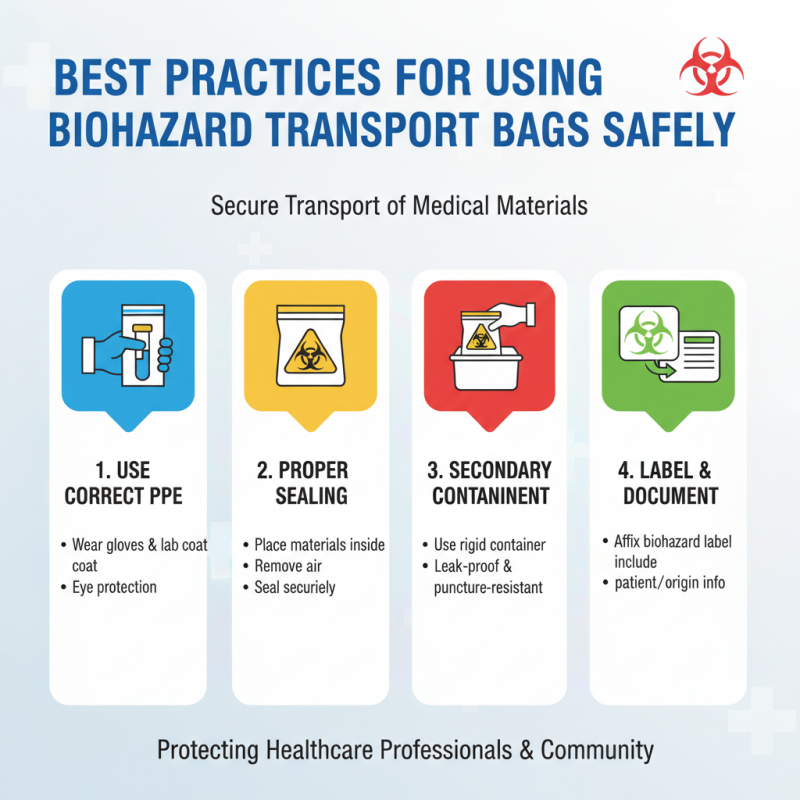
The transport of biohazard materials involves strict regulations to ensure safety. In the United States, the Occupational Safety and Health Administration (OSHA) emphasizes the importance of packaging and labeling biohazard bags properly. According to a report by the Centers for Disease Control and Prevention (CDC), improper handling can lead to exposure, affecting healthcare workers and the general public.
Transport bags must comply with standards set by organizations like the International Organization for Standardization (ISO). ISO 7218 outlines requirements for clinical waste, mandating that bags be puncture-resistant and heat-sealed. Neglecting these regulations can result in severe legal consequences. A lack of compliance can endanger lives and resources.
Real-life incidents illustrate the risks involved. In 2021, a hospital faced fines for inadequate biohazard transport protocols, leading to contamination. This serves as a reminder that adherence to regulations is not just a formality. It’s crucial for maintaining trust and safety in medical environments.
Top Brands and Their Offerings in Biohazard Transport Solutions
Biohazard transport bags are essential in the medical field. They ensure safe handling of hazardous materials. Many brands specialize in these solutions, focusing on quality and safety. According to a report by the Global Market Insights, the biohazard transport bag market is projected to reach $500 million by 2028. This growth indicates increasing awareness of safety protocols in medical transport.
Some manufacturers use durable materials. They often meet strict regulatory standards. For instance, these bags are designed to withstand exposure to various chemicals. Studies show that improper transport can lead to contamination. Data indicates that as many as 30% of healthcare facilities have reported issues related to biohazard mishandling. This statistic highlights the need for reliable products.
While many companies offer innovative designs, not all products deliver on their promises. Some lower-quality bags may not seal properly. This could lead to leaks and contamination. Medical professionals must evaluate their options carefully. An educated decision can make a significant difference in safety. Proper training and awareness are just as crucial as the right transport bags.

 +86 178 5514 5298
 CONTACT NUMBER
 CONTACT NUMBER