Leave Your Message

Why Are Biohazard Specimen Bags Used?

Biohazard specimen bags help laboratories contain samples during collection, storage, and transport. They provide a visible barrier between potentially infectious material and the people handling it. A clearly marked bag can also help staff recognize a hazard before opening a package. But the bag is only one part of safe specimen handling.

Biosafety expert Dr. Jonathan Y. Richmond contributed to widely used laboratory biosafety guidance. A practical paraphrase of the containment principle reflected in that work is: “Contain the specimen; protect the people handling it.” This is not a verbatim quotation. The distinction matters; expert statements should not be invented or misattributed.

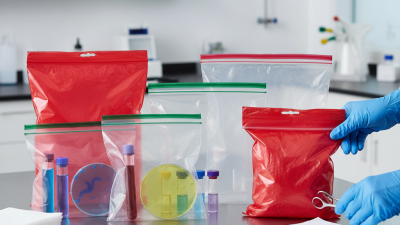
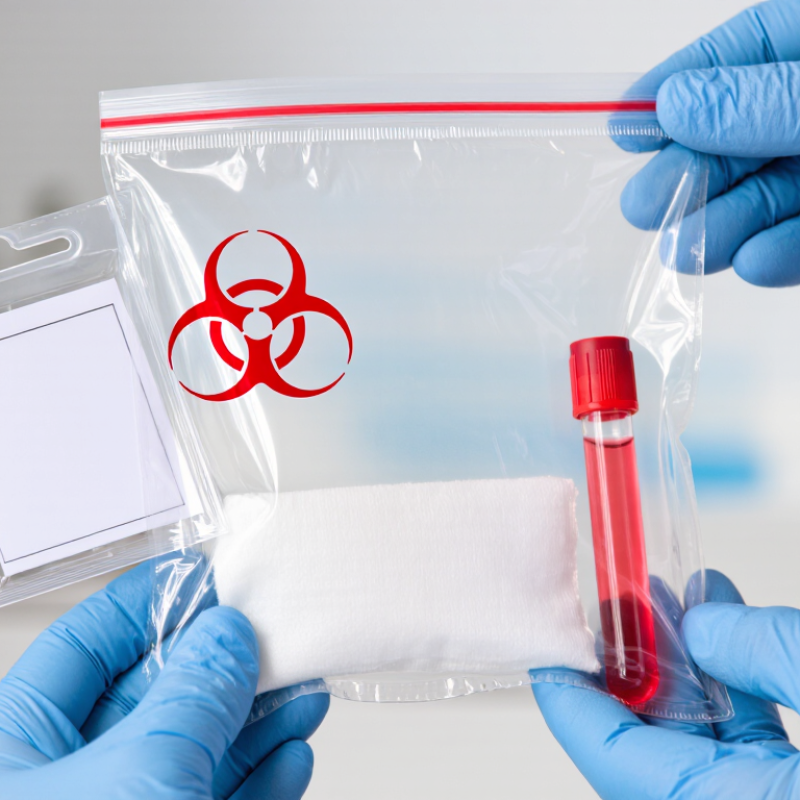
In practice, staff select biohazard specimen bags suited to the specimen and the laboratory’s procedures. Many designs include a separate document pouch, keeping paperwork apart from the sample container. Some also include absorbent material to help manage small leaks. Picture a sealed tube placed upright inside a marked bag, with its request form visible in the outer sleeve. Simple details can reduce confusion.

Still, a bag is not magic. It cannot replace a secure primary container, careful sealing, or staff training. Nor does one bag fit every specimen or situation. The right choice depends on the sample, handling steps, and applicable workplace guidance. Knowing those limits is part of using biohazard specimen bags responsibly.
Why Are Biohazard Specimen Bags Used?

What Biohazard Specimen Bags Are

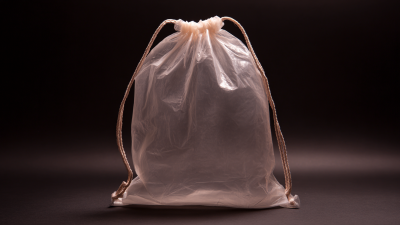
A biohazard specimen bag is a flexible secondary pouch for carrying a sealed sample container, such as a capped tube or specimen cup. It is commonly made of clear plastic and marked with a biohazard symbol. Many designs include a separate pocket for paperwork, keeping forms away from possible leaks. Small, but purposeful. The bag helps staff identify and contain specimens during handling and transport; it is not the container that directly holds the sample.

The distinction matters because a warning symbol alone does not make packaging safe. The World Health Organization’s Health-care waste fact sheet estimates that about 15% of healthcare waste is hazardous, including infectious waste. Not every clinical sample is hazardous, but careful containment reduces avoidable exposure. CDC and NIH guidance in Biosafety in Microbiological and Biomedical Laboratories, 6th edition, describes layered packaging for specimen transport, including leak-resistant primary and secondary containers. A specimen bag may serve as the secondary layer, but it does not replace a sealed primary container or suitable outer packaging. And a document pocket is useful, though it can create false confidence if the sample tube is not properly closed.


Why Are Biohazard Specimen Bags Used?

Biohazard specimen bags help contain samples and keep accompanying paperwork separate. They are commonly used as secondary containment, but they do not replace the primary sample container or any required outer packaging.

Category B Shipment Packaging Checklist

Each bar represents a required packaging or marking element for Category B shipments. Absorbent material is required when the specimen is liquid. Requirements depend on the applicable transport regulations.

How They Contain Samples and Reduce Exposure

Biohazard specimen bags act as secondary containment when samples move between collection areas, laboratories, and storage. A sealed tube can still crack or leak; the bag helps keep fluid off hands, work surfaces, and paperwork. Many bags include a separate document pocket, keeping forms apart from the specimen. Small details matter. The World Health Organization’s Laboratory Biosafety Manual, fourth edition (2020), recommends leakproof primary and secondary containers, with absorbent material between them when needed. OSHA’s Bloodborne Pathogens Standard also requires containers used for specimens to prevent leakage during handling, storage, and transport.

The risk is not theoretical. NIOSH has cited an estimate of about 385,000 needlestick injuries each year among U.S. hospital workers. That estimate is not specific to specimen bags, but it shows why careful handling and secure containment matter. Staff should seal bags fully, avoid overfilling them, and check for visible contamination before carrying them. A bag is not a magic shield. A poor seal or wet exterior can still expose hands, and damaged packaging should not be treated as safe. Room for improvement remains: routine checks and clear handling steps matter as much as the bag itself.

Where Biohazard Specimen Bags Are Used

Biohazard specimen bags are used wherever patient samples need secure containment: hospital wards, outpatient clinics, diagnostic laboratories, and collection rooms. A nurse may place a capped blood tube in the sealed pouch, keeping its paperwork in the separate outer pocket. This helps reduce leaks and keeps labels readable during handoffs. Bags also support specimen movement between departments and approved testing facilities. They do not replace proper tube closure, hand hygiene, or staff training.

The need for reliable handling is clear. WHO’s 2024 Global Patient Safety Report estimates that about one in ten patients experiences harm in health care. This figure covers many causes, not specimen bags specifically, but it underscores why careful routines matter. In veterinary clinics and research laboratories, staff also use specimen bags to contain samples before processing or disposal under site procedures. A bag is only one layer of protection. Overfilled pouches, damaged seals, or misplaced forms can still disrupt safe handling.

Tip: Check the seal, label, and pocket before transfer. Keep forms apart from the specimen, and never force a tube into a crowded pouch. Small details matter. If a bag becomes wet or torn, follow your facility’s spill and replacement procedure rather than improvising.

Safety Features, Labels, and Identification

Why Are Biohazard Specimen Bags Used? Safety Features, Labels, and Identification

A biohazard specimen bag provides a visible warning and a second layer of containment during handling. A leak-resistant primary tube or container should be sealed before it enters the bag. For liquid samples, absorbent material can help contain a spill. Keep paperwork in the bag’s separate outer pouch, away from the specimen. Small details matter.

Identification must stay legible from collection to laboratory receipt. Include the required patient identifiers, specimen type, and collection date, following facility procedures. Match the label to the requisition or electronic record before sealing the bag. A barcode helps, but it cannot fix a mismatched sample. Labels can also fold, smear, or become hard to read; this weak point deserves attention during packing.

The CDC’s 2019 guidance for safe laboratory work emphasizes appropriate specimen containment and handling. The WHO’s 2002 occupational exposure assessment estimated that, in 2000, healthcare workers experienced about 2 million hepatitis B, 900,000 hepatitis C, and 170,000 HIV percutaneous exposures. Those figures do not measure bag effectiveness, and bags cannot prevent every exposure. They do show why clear warnings and careful containment belong within broader safety practices. Follow current workplace and transport requirements for the specimen being shipped.

Why Are Biohazard Specimen Bags Used? — Safety Features, Labels, and Identification
Feature or Dimension What It Does Typical Details Practical Safety Consideration
Leak-resistant specimen compartment Helps contain a specimen if its primary container leaks during handling or transport. Usually a sealable plastic compartment designed to hold a specimen container. Close the seal fully and check that the primary container is intact before bagging.
Separate document pouch Keeps requisitions or other paperwork apart from the specimen compartment. Many designs have a second pouch or sleeve for documents. Place paperwork in the separate pouch; do not put it in the specimen compartment.
Biohazard symbol Alerts handlers that the contents may present a biological hazard. A recognizable biohazard symbol may be printed on the bag. The symbol is a warning, not a substitute for secure packaging or careful handling.
Specimen identification Helps laboratories match the specimen to the correct patient and test request. Common identifiers include the patient’s name and a second identifier, such as date of birth or medical record number. Follow the laboratory’s labeling policy and verify that the container label matches the accompanying request.
Collection details Provides information needed to interpret, process, and track a specimen. Depending on the test, labels or documentation may include collection date and time, specimen type, and collection site. Record required details accurately; requirements vary by test and laboratory.
Specimen type and handling information Helps receiving staff select appropriate processing and storage procedures. May include the specimen source or special handling instructions when relevant. Use the laboratory’s instructions for transport conditions and time limits.
Transport classification Provides hazard information when specimens are prepared for regulated transport. Some shipments may require a transport marking, such as “UN 3373” for applicable Category B infectious substances. Not every clinical specimen is classified as Category B. Apply transport rules based on the specimen assessment and applicable regulations.
Secondary containment Adds a layer of containment around the primary specimen container. The bag is commonly used as secondary packaging within a broader handling or transport system. A specimen bag alone may not meet all packaging requirements for a particular shipment.

Note: Bag design, labeling, and transport requirements can vary by specimen, laboratory policy, and applicable regulations. Follow local procedures and relevant shipping rules.

Safe Handling, Transport, and Disposal

Why Are Biohazard Specimen Bags Used?

Safe Handling, Transport, and Disposal

Biohazard specimen bags provide a barrier around collected samples during handling and transport. Their secure closure helps contain leaks and limits contact with the specimen. Small details matter. Choose a bag that fits the container without forcing it shut, and check that the seal is fully closed. If the outer surface becomes contaminated, follow your facility’s procedure for cleaning or replacement.

Keep paperwork separate from the specimen, using an external document pocket when available. Place the bag upright in a suitable secondary container if required by your workplace’s handling procedure. Not foolproof. A bag is only one layer of protection; trained handling, appropriate gloves, and careful hand hygiene matter too. Avoid overfilling or carrying an unsealed bag through shared areas.

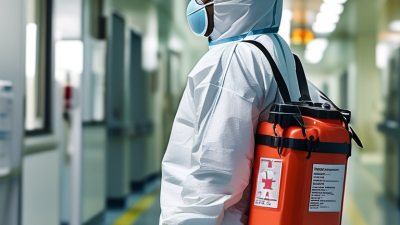
At the destination, staff should handle the package according to the specimen’s type and local workplace procedures. After use, place the bag in the designated waste stream; requirements can vary by facility and location. Don’t assume every used bag belongs in the same bin. If a bag is damaged, leaking, or unclear to handle, pause and ask a supervisor for guidance rather than improvising.