2026 Best 95kPa Specimen Transport Bags for Buyers
Specimen transport is a small detail with serious consequences. A leak can damage labels, expose staff, and delay testing. For buyers, a “95 kPa” claim deserves more than a bold line on a product page. The 95kpa specimen transport bag should be assessed as part of its complete packaging system, including the primary container, absorbent material, and secure secondary pouch.
The World Health Organization’s Guidance on Regulations for the Transport of Infectious Substances 2023–2024 explains packaging, marking, and documentation requirements for regulated shipments. IATA Packing Instruction 650 specifies a pressure-differential performance threshold of 95 kPa for the applicable primary or secondary receptacle. The detail matters: a bag’s label alone does not show that the assembled package has passed relevant tests. Ask suppliers for test reports, material specifications, closure details, and evidence that the tested configuration matches your intended use. Small checks matter.
In this buyer’s guide, we compare practical features such as seal integrity, puncture resistance, clear labeling areas, and compatibility with common specimen containers. We also consider how bags perform during routine handling, from a crowded collection bench to a courier tote. Not every product sheet makes comparison easy; some claims need follow-up. That is worth acknowledging. A reliable choice balances documented performance with usability, rather than relying on the highest-pressure claim alone.
What 95kPa Specimen Transport Bags Are and How They Work
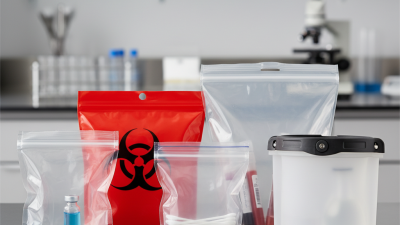
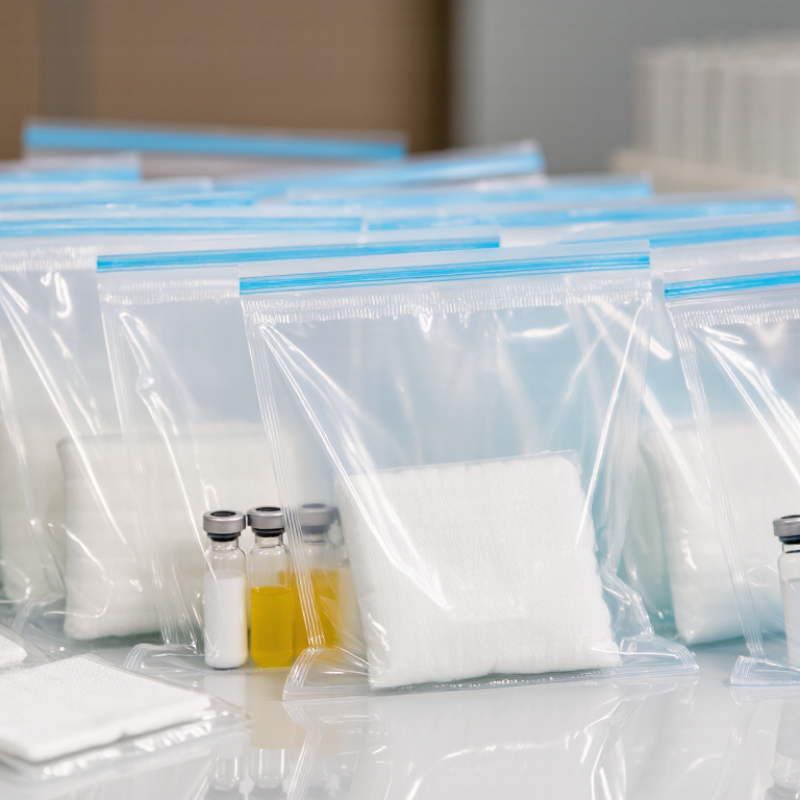
A 95 kPa specimen transport bag is designed to help contain leaks when pressure changes during transport. The rating refers to a pressure-differential performance test, not a promise that the bag can hold every specimen or withstand every kind of impact. In practice, the bag is one layer in a packaging system. A sealed primary container holds the sample; a leak-resistant secondary bag or pouch provides another barrier.
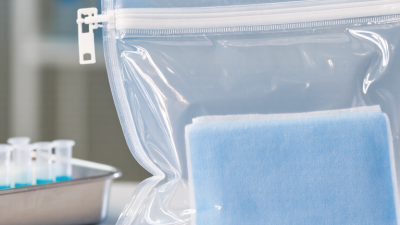
How does it work? The pouch’s film, seams, and closure are tested to resist pressure differences without leaking under specified conditions. Absorbent material inside the secondary layer can help manage liquid if a primary container fails. The sealed package is then placed in suitable outer packaging. Small details matter: a twisted seal, a wet closure, or a sharp tube edge can weaken protection. Not magic.
For buyers, check whether the stated rating applies to the complete bag or only a material sample, and review the test conditions. Ask for documentation and inspect seals, dimensions, and compatibility with the containers used in your workflow. A bag may look sturdy on a bench yet perform differently after rough handling. That gap deserves attention. Select packaging based on the specimen, volume, and handling steps, and follow the applicable transport procedures.
Which Materials and Design Features Define Bag Performance
For buyers, a 95 kPa specimen transport bag is only as dependable as its materials and construction. Flexible polyethylene films resist moisture and handling damage, while multilayer films can add puncture resistance and reduce leakage risk. Thickness matters, but it is not the whole story. A thick film can still fail at a weak seam.
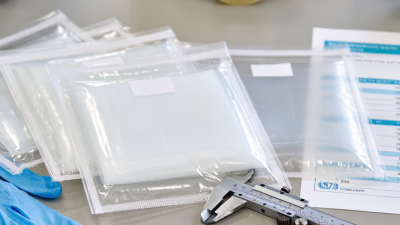
Look closely at the seal width, corner joins, and closure. A continuous heat seal should show no gaps, wrinkles, or trapped debris. The opening should close securely without requiring awkward force, especially when users wear gloves.
Small details matter.
Clear film helps staff inspect contents and labels without reopening the bag. The label area should remain writable and resist smearing when exposed to condensation.
Ask for test documentation showing that the bag design achieved the stated pressure-differential performance, and check whether the tested configuration matches the product you are buying. Material compatibility also deserves attention: some disinfectants, cold conditions, or rough handling may affect film flexibility. Not always. A sample trial can reveal problems that specifications miss, such as difficult closures or labels that peel from a damp surface. Bags should also fit the intended secondary containment system, rather than being treated as a substitute for the complete packaging setup.
How to Evaluate Compliance, Testing, and Compatibility
For a 95 kPa specimen transport bag, check what the pressure claim actually covers. The UN Model Regulations, 23rd revised edition, Packing Instruction P650, specifies a pressure differential of at least 95 kPa for liquid primary receptacles or secondary packaging. WHO’s 2023–2024 transport guidance also describes temperature exposure from -40°C to +55°C for relevant packaging. A bag alone may not meet the full packaging requirement.
Ask suppliers for test reports identifying the tested configuration, sample count, conditioning, pressure, duration, and leakage criteria. Compare the report with your intended tubes, caps, absorbent material, and closure method. Look for evidence from the finished assembly, not just a film sample. Small details matter. Seal folds can leak.
Compatibility checks should reflect actual handling: chilled packs, condensation, tube dimensions, and the time the bag stays closed. Confirm that labels remain readable and closures work with gloved hands. I would not treat a generic “95 kPa” statement as enough; test methods and boundaries are easy to overlook. One limitation: a report for one setup may not cover yours, so document any changes before routine use.
How to Compare Suppliers, Pricing, and Buying Options
When comparing suppliers of 95 kPa specimen transport bags, ask what the pressure rating covers and request the supporting test report. Check whether testing applies to the finished bag, including its closures, rather than only its material. Confirm the report identifies test conditions and product dimensions. A rating alone is not enough.
Review practical details too: bag size, seal type, printed identification areas, and compatibility with your packing workflow. Ask for samples and inspect the seams and closure after handling. Small details matter. Supplier responses can reveal how clearly they document specifications and manage quality checks. Still, a polished sample does not guarantee every production batch will match.
Compare quotes by total delivered cost, not unit price alone. Include minimum order quantities, freight, packaging, lead times, and any charges for custom printing. Request a written quotation with a validity period, and ask how the supplier handles defects or specification changes. Some buyers focus heavily on price; that can be a mistake when delays or inconsistent dimensions disrupt packing. A simple comparison sheet helps, though it cannot replace checking the actual product. Allow time for sample review before committing to a large order.
How to Select and Use a Bag for Each Specimen Shipment
2026 Best 95kPa Specimen Transport Bags for Buyers
Selecting a 95 kPa specimen transport bag starts with the shipment, not the label. Check that the bag fits the sealed primary container without stretching or crushing it. Consider the specimen’s form, the container’s dimensions, and the absorbent material needed if a leak occurs. Small details matter. A bag that fits neatly on the bench may be awkward to close while wearing gloves. Match absorbent capacity to the amount of liquid, and follow the bag maker’s instructions for the specific packaging configuration.
Before packing, inspect the bag for damage and make sure its closure works smoothly. Place the capped primary container inside, add the required absorbent material, and seal the bag fully. Keep paperwork in a separate sleeve so it stays readable if the specimen container leaks. Don’t force an oversized container into a small bag; pressure on the seal can undermine careful packing. A 95 kPa rating applies to the tested bag under specified conditions, not automatically to every part of the shipment. Check the applicable packing instructions, then verify the completed package before handoff. It is easy to assume a higher rating solves every problem, but fit, absorbency, and correct sealing still matter.

 +86 178 5514 5298
 CONTACT NUMBER
 CONTACT NUMBER