Leave Your Message

Top 95kPa Specimen Transport Bags for Global Buyers

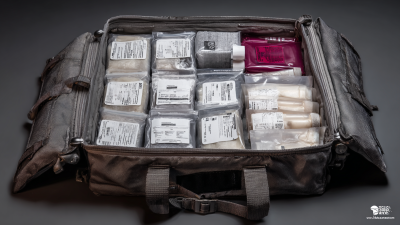
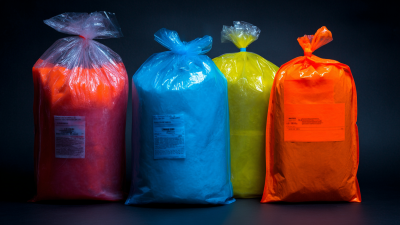
Global specimen logistics depend on more than speed. A leaking pouch can delay laboratory work, waste a collected sample, and create extra handling at receiving desks. The 95kpa specimen transport bag is therefore a practical purchasing priority for hospitals, diagnostic laboratories, and distributors serving international routes. But the pressure claim needs careful reading.

IATA Dangerous Goods Regulations, Packing Instruction 650, specifies a 95 kPa pressure-differential test for applicable primary or secondary receptacles containing liquid specimens. The requirement does not automatically certify every outer bag or complete shipping system. WHO’s Guidance on Regulations for the Transport of Infectious Substances also describes triple packaging, with suitable leakproof receptacles and protective outer packaging. Buyers should check which component was tested, whether the evidence covers the offered product, and whether instructions match their specimen type. Details matter.

For global sourcing, compare seal consistency, material strength, dimensions, absorbent capacity where needed, and lot-level traceability. Ask suppliers for test documentation and clear packing instructions—not only a printed pressure rating. A useful evaluation also considers cold-room handling, label adhesion, and whether staff can close the bag with gloved hands. Small details, real impact. One limitation deserves attention: a strong bag cannot compensate for poor packing or unsuitable handling. IATA and WHO guidance provide a reliable starting point, but procurement teams should verify current requirements and product evidence before placing volume orders.

Top 95kPa Specimen Transport Bags for Global Buyers

What 95 kPa Specimen Transport Bags Are and How They Work

A 95 kPa specimen transport bag is part of a containment system, not a pressure rating that guarantees the whole shipment is safe. The figure refers to a pressure differential of 95 kilopascals, or 0.95 bar. Under IATA’s Dangerous Goods Regulations, 66th edition (2025), Packing Instruction 650, the primary receptacle or secondary packaging must withstand that pressure without leakage. For liquid samples, this helps reduce leakage risk when air pressure changes during transport.

In practice, the specimen is sealed in a leakproof primary container, then placed in leakproof secondary packaging with enough absorbent material for the contents. The bag may serve as secondary containment, but buyers should verify its intended role and test documentation. The outer package also matters: Packing Instruction 650 includes a 1.2-metre drop test for the completed package.

WHO’s 2023–2024 guidance on transporting infectious substances likewise describes triple packaging: primary receptacle, secondary packaging, and rigid outer packaging. Look for clear instructions on sealing, compatible materials, and inspection for punctures or weak seams. Small details matter. A label saying “95 kPa” alone does not show which component was tested; that’s an easy point to miss.
How 95 kPa Performance Is Tested and Verified

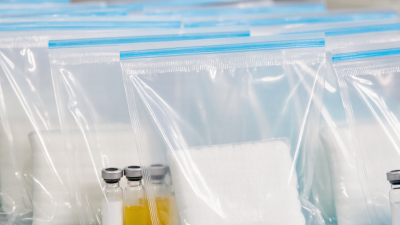
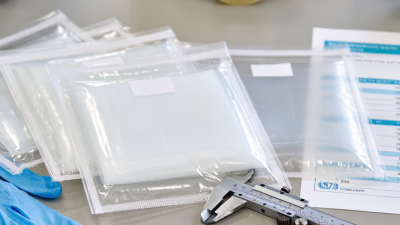
A 95 kPa claim is meaningful only when the test conditions are clear. A qualified laboratory places the sealed bag, or the relevant packaging layer, in a pressure chamber and creates a specified pressure difference. The protocol should state whether pressure is applied internally or externally, how long it is held, and what temperature conditioning is required. These details matter. A result without them is difficult to compare.

During testing, technicians inspect seals and closures for leaks, separation, or visible damage. Some methods use water or another suitable leak-detection technique; the exact procedure depends on the test plan. The report should identify the sample, equipment, pressure readings, temperature, and outcome. Ask for the full report, not only a pass statement. Small details matter. A successful test on a few samples cannot guarantee every bag in a production run is identical. That is an uncomfortable limit, but a real one. Buyers can reduce uncertainty by checking batch controls, seal consistency, and whether the tested construction matches the bags they will receive. For regulated shipments, confirm the applicable packaging requirements with a qualified compliance professional.

Key Materials, Closures, and Safety Features

Material choice affects both containment and handling. A multilayer polyethylene film can resist punctures while remaining flexible in cold rooms. Buyers should check film thickness, seam strength, and compatibility with common disinfectants. A clear panel helps staff read labels, although glare can make it less useful under bright warehouse lights. Small details matter.

Closures need consistent pressure along the seal. A peel-and-seal adhesive flap is quick to use; a zip closure may support repeated access, but should not be treated as a substitute for a validated seal. For a 95 kPa claim, ask for test documentation covering the exact bag design and closure. A printed rating alone is not enough. Testing can also vary with temperature and sample configuration.

Safety features make routine handling more reliable. Look for a separate document sleeve, space for legible identifiers, and an absorbent insert sized for the expected contents. Tear-resistant corners and visible seal lines help staff spot damage before dispatch. Traceable lot information supports quality checks. No bag removes the need for suitable primary containment and careful packing. I would still inspect seal consistency across production lots; a good sample is not the whole story.

Top 95kPa Specimen Transport Bags for Global Buyers — Key Materials, Closures, and Safety Features

Key benchmark: For UN 3373 Category B shipments packed under Packing Instruction P650, the packaging must withstand a pressure differential of at least 95 kPa without leakage. P650 also specifies a 1.2 m drop test and a temperature range of −40°C to +55°C. Leakproof receptacles, a leakproof secondary package, and absorbent material sufficient for the entire liquid contents are key safety features. Polyethylene films and zip-style or heat-sealed closures are common design choices; suitability depends on testing the complete packaging assembly.

How to Compare Bag Types for Different Specimens

A 95 kPa specimen transport bag is not a one-size-fits-all choice. Compare its usable space, closure, and internal layout with the primary containers you actually use. Blood or urine tubes need a pouch that limits movement and contains leaks. A swab in a slim tube may need less room, but still needs a secure seal. Fit matters.

For several vials, choose a bag with separate pockets or a divider to reduce contact during handling. Liquid specimens also call for suitable absorbent material, sized for the amount of liquid in the primary containers. Slides and other fragile items may need a rigid protective holder; a soft bag alone will not prevent breakage. Not just capacity. Check that the bag’s pressure performance is documented for its intended use, and follow the packaging instructions supplied with it. A small detail is easy to miss: crowded bags can make labels hard to read and closures harder to seal. Teams sometimes focus on the 95 kPa figure and overlook daily handling. That deserves a second look. Test the selected configuration with the actual containers and workflow before routine use.

Top 95kPa Specimen Transport Bags for Global Buyers - How to Compare Bag Types for Different Specimens

Bag type Typical specimen use Useful features Points to compare 95 kPa and transport checks
Specimen bag with document pouch Routine diagnostic samples such as blood tubes, urine containers, and swab tubes. Separates paperwork from the specimen compartment; often includes a biohazard marking area. Check pouch placement, seal design, bag dimensions, print durability, and compatibility with labels. Do not assume the bag is 95 kPa compliant from its appearance or labeling alone. Request documentation for the exact bag configuration if it is used as the pressure-tested packaging component.
Leak-resistant resealable specimen bag Capped primary containers holding liquids, including urine and liquid clinical samples. A resealable closure can help contain leakage during handling when used correctly. Compare closure integrity, film thickness, usable capacity, and ease of opening with gloves. Verify the required leakproof performance and pressure-test evidence for the intended role. A resealable closure by itself does not establish 95 kPa qualification.
Absorbent-lined specimen bag Liquid specimens, or shipments where a primary receptacle could leak and liquid containment is required. The absorbent material can help contain liquid released from a primary receptacle. Check the stated absorption capacity, absorbent coverage, and compatibility with the specimen container and liquid. For applicable shipment rules, absorbent material must be sufficient to absorb the contents of the liquid primary receptacle or receptacles. Confirm pressure-test documentation separately.
Wide-format bag for larger containers Larger sample jars, multiple capped tubes, or specimen containers with non-standard shapes. More room for containers and absorbent material; can make packing and retrieval easier. Compare internal dimensions, seal length, material strength, and whether the container can move inside the bag. Confirm that the tested size and construction match the bag being purchased. Results for one size or configuration should not be assumed to cover another.
Low-temperature specimen bag Samples that must be chilled or frozen during storage or transport, subject to the specimen’s handling protocol. Materials and closures may be selected for performance at specified low temperatures. Check the stated temperature range, seal performance after cooling, and suitability for the intended storage method. Low-temperature suitability and 95 kPa qualification are separate properties. Confirm both where required, and follow the applicable rules for refrigerants or dry ice.
Bag for solid or non-liquid specimens Solid samples or sealed containers holding swabs and tissue specimens, depending on the collection and transport protocol. A simple compartment can help keep the primary container organized and separated from documents. Check puncture resistance, closure type, size, and whether any liquid can be present in the specimen container. Choose the packaging based on the specimen’s classification and the applicable shipping instructions. Do not treat a general-purpose bag as a certified pressure-tested component without supporting evidence.

Buyer note: A 95 kPa claim should be supported by test documentation for the specific bag model, size, material, closure, and intended packaging role. Packaging requirements depend on specimen classification and the regulations applicable to the route and mode of transport. For applicable Category B shipments under Packing Instruction 650, use the required triple-packaging arrangement and verify all relevant packaging, marking, and documentation requirements.

Global Sourcing, Compliance, and Shipping Considerations

Global sourcing of 95 kPa specimen transport bags requires more than comparing unit prices. A stated pressure rating should be supported by test documentation for the exact bag construction and closure. Ask suppliers for current reports, material specifications, and lot traceability. Confirm that the bag dimensions fit the primary container without stressing the seal. A sample may look sound, yet perform differently after storage or handling.

Tips: Request samples from the production lot. Check seals, labeling space, and document control before placing a large order.

Shipping conditions also matter. Long transit times, temperature swings, and rough handling can affect packaging materials, so confirm suitable storage conditions with the supplier. Clarify lead times, carton quantities, and who provides shipment documents before production begins. Check destination-market requirements with a qualified compliance contact; packaging rules and carrier procedures can vary. Keep records of purchase specifications and incoming inspections. In practice, a slightly higher unit cost may be easier to manage than an unclear test report. Still, paperwork alone cannot replace checking the bags you receive.