+86 178 5514 5298


Choosing the best Medical Lab bag for 2026 is not simply a matter of picking the thickest plastic or lowest price. The right option should protect specimens, support clear identification, and fit the laboratory’s handling workflow. Small details matter. A secure closure, readable label area, and suitable internal dimensions can reduce avoidable handling problems. Requirements vary with specimen type, transport duration, temperature needs, and the lab’s approved procedures. That is why product claims deserve careful checking against manufacturer specifications and local protocols. Not every bag fits.
This guide compares practical features such as material strength, leak resistance, biohazard-marking options, compartments, and ease of use. Where relevant, it also considers whether a bag works with secondary packaging and established transport processes. A bag alone does not validate a shipping method or replace trained handling. Look for clear documentation, consistent quality information, and sizing options that match routine workloads. Price still matters, but a cheaper product may create extra steps if labels peel or contents shift. No single choice suits every bench. The strongest shortlist is the one built around actual samples and workflow—not a glossy product photo. Still, checklists have limits. Before committing, teams should confirm fit with their own procedures, because even a sensible recommendation can miss a local constraint.
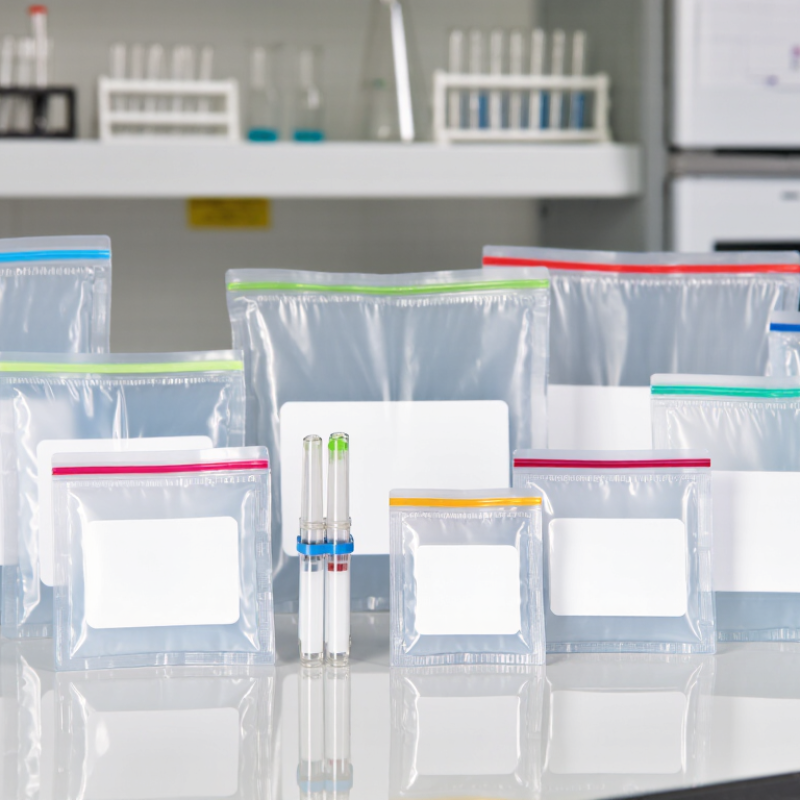
Medical lab bags help keep specimens organized and contained during collection, storage, and transport. Their role is practical: reduce the chance of leaks, protect paperwork from moisture, and make samples easier to identify. A clear outer surface can help staff check labels without opening the bag. Separate document pockets keep requisitions away from specimen containers. Small details matter.
The right bag depends on the specimen, container, and handling process. Look for secure closures, durable seams, and enough room to prevent containers from being squeezed together. Some workflows need absorbent material or temperature-conscious packaging; a standard bag may not be suitable for every sample. Bags support safe handling, but they do not replace facility procedures, correct labeling, or suitable transport conditions. I have seen teams focus on the closure and overlook whether the paperwork pocket is actually usable. That is worth checking.
Tips: Match the bag to your workflow, not just its size. Test the closure with the containers you use, and check that labels remain visible. Keep instructions clear. If a sample has special storage needs, confirm the packaging choice with qualified laboratory staff.
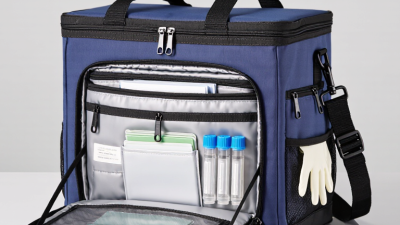
Medical lab bags in 2026 should protect specimens through collection, handling, and transport. The right choice depends on sample type, storage conditions, and the route between work areas. A secure closure helps prevent leaks, while durable seams resist splitting when bags are handled or stacked. Small details matter. Check that labels remain readable on cold, damp surfaces and that pockets keep paperwork separate from specimens.
Material compatibility deserves close attention. Some samples or cleaning agents may affect plastics, so confirm suitability for the intended use rather than relying on appearance alone. For temperature-sensitive specimens, assess how the bag performs during the expected journey; a bag does not replace validated temperature control. Secondary containment can add protection, but only when staff can close it correctly. That trade-off is easy to miss.
A practical evaluation includes simulated handling: fill the bag with a representative load, seal it, and check for seepage, weak seams, or confusing labels. Review performance periodically, especially after changing suppliers or transport procedures. No single design fits every laboratory. That is inconvenient, but safer than assuming one bag works for all samples. Follow local procedures and the specimen-specific instructions used by qualified staff.
Medical lab bags work best when their design matches the specimen and the trip ahead. For routine sample transport, use a durable, leak-resistant bag with a secure closure. A separate outer pouch can hold paperwork away from the specimen container. That small pocket helps keep labels and request forms dry and readable. Fit matters.
For specimens that need temperature control, insulated bags can help limit temperature swings during transit. Pair them with the facility’s validated packing and monitoring procedures; insulation alone does not guarantee a safe temperature. Not every sample needs this extra layer. Overpacking can also make bags awkward to handle, so choose a size that leaves room for secure cushioning without excess bulk.
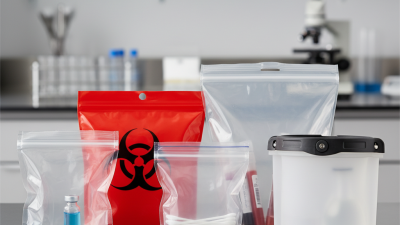
Sterile bags are useful when clean handling is part of the collection or transfer process. Biohazard-marked bags help identify materials that require careful handling, but markings do not replace staff training or local procedures. Check the seal, bag integrity, and label visibility before use. A bag may look suitable and still fail at the closure. The best choice is the one that protects the sample, keeps information legible, and fits the lab’s actual workflow.
What Are the Best Medical Lab Bags for 2026?
Choose a bag for the task, not just the bench. Specimen transport needs secure closure, clear labeling space, and enough room for absorbent material when required by your procedure. For cold-chain samples, check whether the bag works with your validated packaging and temperature-monitoring process. A bag alone cannot protect sample integrity.
Waste workflows need different choices. The World Health Organization’s 2024 health-care waste fact sheet estimates that about 15% of health-care waste is hazardous. That figure covers health-care waste broadly, not laboratory waste alone, but it highlights why segregation matters. Match bag strength, closure, and color to your facility’s waste-stream procedures. Do not rely on color alone; local conventions can differ.
For routine bench work, consider puncture resistance, leak containment, glove-friendly seals, and readable labels. CDC and NIH’s Biosafety in Microbiological and Biomedical Laboratories, sixth edition, emphasizes risk assessment when selecting containment measures. Apply that thinking to each workflow, and check your site’s procedures and supplier instructions. The awkward part: one bag rarely suits every task. Details matter. A quick trial with actual tubes, labels, and gloves may reveal fit problems before rollout. Could be overlooked.
| Laboratory Workflow | Suitable Bag or Packaging Type | Useful Features | Selection Criteria | Handling and Compliance Notes |
|---|---|---|---|---|
| Routine clinical specimen transport Blood tubes, urine cups, swabs, and similar samples |
Leak-resistant specimen transport bag with a separate document pouch | Secure closure; transparent sample compartment; separate pouch for paperwork; space for required identification | Choose a size that accommodates the closed primary containers without forcing or crushing them. Check that the closure and seams are intact. | The bag is secondary containment, not a replacement for a properly closed primary specimen container. Follow facility procedures and applicable transport rules. |
| Liquid specimens requiring regulated transport Applicable to specimens classified for transport as UN3373, Biological Substance, Category B |
Leakproof secondary packaging used as part of compliant triple packaging | Compatible with a leakproof primary receptacle and suitable outer packaging; absorbent material can be placed between primary and secondary packaging when required | Confirm the complete package configuration—not just the bag—meets the applicable packing instruction and carrier requirements. | For Category B shipments, follow Packing Instruction P650 where applicable. For liquids, absorbent material must be sufficient to absorb the contents if the primary receptacle leaks. |
| High-risk infectious-substance shipment Specimens classified as Category A |
Validated secondary leakproof packaging within a compliant Category A packaging system | Designed for the required packaging configuration and compatible with the specified primary receptacle and outer packaging | Use only packaging and procedures approved for the shipment classification, route, and applicable regulations. | Category A shipments are subject to stringent requirements, including Packing Instruction P620 where applicable. A specimen bag alone does not satisfy these requirements. |
| Cold-chain specimen transfer Samples requiring chilled or frozen conditions |
Leak-resistant specimen bag inside an insulated transport container | Secure secondary containment; enough room for the primary container and cushioning; compatible with the planned coolant and temperature-control method | Base the temperature range and transit time on the test method or laboratory protocol. Use a monitored system when the procedure requires temperature documentation. | Keep samples protected from direct coolant contact when freezing could affect them. Dry ice requires packaging designed for its use and compliance with applicable shipping rules. |
| Pathology slide transport Microscope slides and slide sets |
Rigid slide mailer or slide holder, with a specimen bag for secondary containment if needed | Individual slide slots; rigid protection against bending and breakage; secure closure | Select a holder sized for the slide count and compatible with the laboratory’s labeling and workflow. | A flexible bag alone does not protect slides from impact. Package slides so they cannot shift or damage one another during transit. |
| Small tissue or biopsy specimen transfer | Leak-resistant specimen bag sized for the closed primary container, with a separate paperwork pouch | Secure seal; clear separation between specimen and requisition; material compatible with the expected handling conditions | Confirm the primary container is suitable for the specimen and preservative. Avoid overfilling the bag or placing paperwork in contact with the sample container. | Use the laboratory’s validated collection and transport procedure, including any preservative, temperature, or labeling requirements. |
| Internal transfer between departments Routine movement within a healthcare facility |
Reusable or disposable secondary transport bag, selected under facility policy | Easy-to-clean or single-use construction; secure closure; visible identification area; adequate capacity for the transfer container | Choose based on cleaning procedures, transfer distance, sample volume, and whether the container must remain upright. | Reusable products should be cleaned and inspected according to facility policy. Do not reuse a disposable bag unless its instructions and local procedures permit it. |
| General purchasing checklist | Workflow-specific bag rather than a single bag for every use | Appropriate size; reliable closure; compatible material; clear labeling area; separate document pouch when needed | Verify intended use, leak-resistance claims, temperature compatibility, storage conditions, and relevant regulatory documentation with the supplier. | Packaging requirements depend on specimen classification, destination, carrier, and jurisdiction. Consult current regulations and institutional procedures before shipment. |
Medical lab bags in 2026 are being shaped by material choices as much as by changing compliance expectations. Recycled and bio-based polymers may reduce reliance on virgin plastic, but they must still protect contents from moisture, punctures, and leaks. A greener label alone proves little. Laboratories should review test data for the bag’s intended use, including seal strength and compatibility with common disinfectants.
Multilayer films can combine flexibility with stronger barriers, while clearer labeling helps staff identify contents and handling needs. Some designs may add temperature indicators, but these are useful only when their accuracy and limits are documented. During routine checks, a weak seam or unreadable label can matter more than a sophisticated material claim. No material is perfect.
Regulatory requirements differ by location and application, so buyers should confirm current rules with qualified compliance staff rather than assume one specification fits every shipment. Documentation should state intended use, storage conditions, and relevant performance tests. Reusable options also need careful review: repeated washing can affect seals, and cleaning procedures must be validated. That detail is easy to miss. A practical choice balances protection, traceability, staff workflow, and end-of-life handling, then verifies performance under real laboratory conditions.
A practical view of key Category B specimen-shipping requirements that shape the choice of leakproof bags and packaging systems.
The chart summarizes selected requirements in UN Model Regulations Packing Instruction 650, also reflected in IATA packing instructions for UN3373 shipments. The bars indicate whether each check applies, not a product rating. Liquid specimens require absorbent material sufficient for the entire contents; air shipments have a 95 kPa differential-pressure requirement, and the completed package must meet the 1.2 m drop-test criterion. A specimen bag is only one part of the packaging system. Confirm current rules and carrier requirements before shipping.